New here? Just sign up with Google — your account includes Matilda, our gift book, forever.
The Tale of Despereaux · Garden Heights
Part 4
for The Tale of Despereaux · Part 4 · Chapters 24–33 · Book the Third
8 Parts40 min
What Happens in Part 4
The story turns back once more, to a girl who says “Gor!” when the world surprises her — and the world has never been kind enough to surprise her much. Miggery Sow, named after her father’s prize pig, loses her mother young; soon after, her father sells her — for a red tablecloth, a hen, and a handful of cigarettes — to a man she must call Uncle, who pays her in clouts to the ear until her ears bloom like cauliflowers and she is half deaf. She tends his sheep, eats little, is given nothing. Then one day a royal procession glitters past the hill: King Phillip, Queen Rosemary — and little Princess Pea on a white horse, waving. Something wakes in Mig that no clout can kill: a wish. I want to be that princess. Years later, the king’s soldiers — out collecting the kingdom’s outlawed kettles and spoons — discover that Uncle keeps a girl he bought, and owning people is illegal: Mig, twelve now, is taken to the castle and made a servant. She is slow, half-deaf, laughed at, and hopeless at every chore — until she is handed the one job nobody wants: carrying the jailer’s tray down into the dungeon’s dark, where something with a silky voice is waiting to learn what a girl like Mig yearns for.
What We Will Learn
Section
What you will practice
Vocabulary
Words of a hard childhood: clout, deaf, tend, procession, illegal, yearn…
Literary Elements
The braided structure, a character’s voice (‘Gor!’), and the wish motif
Cross-Curricular
What castle servants’ lives were like, and why wishes survive hard years
Chapter Summary
Ch.
What happens
24–26
Sold — Mig loses her mother, is sold by her father for a tablecloth, a hen, and cigarettes, and learns the meaning of clouts.
27–28
The Procession — the royal family glitters past; a wish is born: I want to be that princess.
29–31
Freed — and Hired — soldiers collecting outlawed kettles discover the bought girl; owning people is illegal; Mig goes to the castle.
32–33
The Tray — hopeless at every chore, Mig is given the dungeon delivery — where a silky voice waits.
Part 1
Vocabulary
Study 10 key words from Chapters 24–33 · Book the Third, then answer each question.
🧠Knowledge Bank · A Child Sold for Goods
History · Below Stairs Miggery Sow’s story opens on something the real past knew all too well: a child handed over as property . Mig is sold by her own father for a handful of trifles — a cloth, a hen, a fistful of smokes — and set to labor for a stranger. For most of history, poor children were part of the household economy , expected to work as soon as they could carry a load, and some were bound, traded, or bartered exactly as goods were. Mig’s repeated clouts to the ear, which slowly rob her of her hearing, echo a real and ugly truth about how the powerless were once treated. When DiCamillo lets Mig dream of wearing a crown, she is quietly measuring the whole cruel distance between the child who serves and the child who is served .
cloutn.Ch.24–26
A heavy blow, usually to the head
“Uncle paid her in clouts to the ear.”
deafadj.Ch.26
Unable to hear, wholly or partly
“The clouts left her half deaf.”
tendv.Ch.26–27
To watch over and care for
“Mig tended Uncle’s sheep on the hill.”
processionn.Ch.27
A formal, moving line of people
“The royal procession glittered past.”
wishn.Ch.28
A deep want held in the heart
“A wish woke in her that day.”
illegaladj.Ch.29–30
Against the law
“Owning a person is illegal.”
servantn.Ch.31
One paid to work in a household
“Mig became the castle’s newest servant.”
choresn.Ch.31–32
Everyday household tasks
“She was hopeless at every chore.”
descendv.Ch.32–33
To go downward
“She descended the dungeon stairs with the tray.”
yearnv.Ch.28–33
To long for something deeply
“Mig yearned to be that princess.”
ⓘ The vocabulary words in this list are selected to help you understand and complete this workbook. Some may not appear verbatim in the original novel.
1A heavy blow, usually to the head, is a ___.Ch.24–26
4Something ‘illegal’ is permitted by the law.Ch.29–30
5Fill in each blank with the correct word.Ch.26–28
Word choices:tendwishcloutprocession- some words will not be used
Mig would the sheep on the cold hill.
That day a woke in her heart.
6One paid to work in a household is a ___.Ch.31
7To ‘yearn’ for something is to long for it deeply.Ch.28–33
8Everyday household tasks are called ___.Ch.31–32
9Fill in the blanks with the correct words.Ch.29–33
Word choices:descendillegalservantyearn- some words will not be used
Owning a person, said the soldier, is .
With the tray, she began to the dark stairs.
10A deep want held in the heart is a ___.Ch.28
Part 2
Comprehension
Show you understood what happens in Chapters 24–33 · Book the Third.
🧠Knowledge Bank · The Third Thread
Reading Skill · Interwoven Storylines A braided story runs several separate lives alongside one another, then winds them together, and the reader’s task is to hold each strand without tangling it. Follow Mig’s life as its own complete tale, and keep a running ledger of what each person in it takes from her or gives her: a mother lost, freedom sold, hearing beaten away, the hope of school never even offered. Notice that the book winds these origin stories backward through time before letting them touch, so that by now three creatures born in three different corners are all being drawn toward one castle. Track Mig, tray in hand, as she climbs toward the very rooms where the strands will finally knot. A reader who keeps each thread straight will feel the coming collision long before the three lives themselvescollide .
1What is Miggery Sow named after?Ch.24
2For what price does Mig’s father sell her?Ch.25
3Uncle’s repeated clouts leave Mig with cauliflower ears and dulled hearing.Ch.26
4What does Mig see that plants her great wish?Ch.27–28
5Write the numbers 1–5 in the boxes to show the correct order of events in Chapters 24–33. Number 1 = what happens first.Ch.24–33
Sold to Uncle, Mig is paid in clouts and tends sheep.
Hopeless at chores, Mig is handed the dungeon tray.
Mig loses her mother and is left with her father.
The royal procession passes; the wish is born.
Soldiers find the bought girl and take her to the castle.
6The soldiers come to Uncle’s farm looking for stolen sheep.Ch.29–30
7Why do the soldiers take Mig away from Uncle?Ch.29–30
8How does Mig fare at the castle’s chores?Ch.31–32
9The job nobody wants is carrying the jailer’s tray into the dungeon.Ch.32–33
10What is waiting for Mig in the dungeon’s dark?Ch.33
Part 3
Literary Elements
Understanding HOW and WHY Kate DiCamillo tells the story across Chapters 24–33 · Book the Third.
🧠Knowledge Bank · Three Threads, One Knot
Author’s Craft · Parallel PlotsWith Mig’s tale finally told, the book’s design stands clear: this is a braided structure, three separate origin stories — mouse, rat, girl — each wound backward through time and now bending toward a single point in the dungeon dark. Parallel plots like these do something a single storyline never can: they let the reader feel a pattern the characters cannot see, because we alone have watched all three lives grow. Notice how DiCamillo gives each strand its own voice. Mig’s is a single syllable, the wondering ‘Gor!’ that survives every blow — characterization compressed into one sound. And her impossible longing to become the princess completes the book’s wish motif: three creatures, three hopeless wants, one castle built to hold them all. When you sense the three plots tightening toward the same knot, you are reading the book’s architecture — the deep, patient shape of its design.
Braided Structure
Three backstories wound backward in time — mouse, rat, girl — converging on one stair.
A Character’s Voice
Personality in a syllable — ‘Gor!’, the wonder no clout could beat out of her.
The Wish Motif
Three impossible wants — the Pea, the light, the crown — steering three lives toward one knot.
1Telling three separate origin tales that converge on one place is a ___.Ch.24–33
2Fill in the blank with the correct literary term.Ch.24–33
Word choices:voicewishsettingclimax- some words will not be used
‘Gor!’ — personality in one syllable — is Mig’s .
The Pea, the light, the crown: the book’s repeating motif.
3Mig still saying ‘Gor!’ after years of clouts shows that ___.Ch.24–33
4The reader meets Mig AFTER Roscuro so that her wish can be heard the way he will hear it.Ch.24–33
5DiCamillo tells Mig’s hard story honestly — sale, clouts, deafness — because ___.Ch.24–26
6The royal procession scene works as the braid’s master link because ___.Ch.27–28
7A braided structure asks readers to hold several timelines until they join.Ch.24–33
8Fill in the blank with the correct literary term.Ch.24–33
Word choices:braided structurevoiceironytone- some words will not be used
Three origin tales converging on one stair form a .
9Naming the girl after a prize pig is the book’s way of showing ___.Ch.24
10Ending Book Three on the dungeon stairs — tray in hand — promises the reader that ___.Ch.33
Part 4
Think Deeper
Four deeper challenges — no single-word recall. Read, weigh the evidence, and reason it out.
🧠Knowledge Bank · The Ledger of Miggery Sow
Think Deeper · Longing & Love Mig’s life reads like a ledger of things taken — her mother to death, her freedom to a sale, her hearing to a stranger’s hand, her schooling never even offered. But the book asks a harder, kinder question: what did she manage to keep ? Through every loss, Mig holds onto wonder — the ability to look up and hope, to want beauty even after beauty has been denied her. That kept thing is what makes her lovable, and it is also, the story warns, what makes her dangerous , because a longing that fierce can be steered by anyone who whispers the right promise. Weigh both columns fairly: the cruelty done to her explains her hunger without excusing where that hunger may lead. To understand Mig is to see how a battered heart can stay tender and still be turned toward harm .
Think back over the girl’s tale. A mother’s deathbed, and nothing inherited. A father counting out a tablecloth, a hen, and cigarettes. Years of clouts on a cold hill, ears blooming shut. Then one glittering procession — a girl her own age on a white horse, waving — and a wish taking root where nothing else was allowed to grow. Freedom arrives wearing a soldier’s boots; the castle arrives with laughter and chores; and the dark stairs arrive last, with a tray, and a voice at the bottom that has been waiting for exactly this girl.
Original passage written for Garden Heights — not a quotation from the novel.
1Claim: “Mig’s wish is the one thing her hard life could not take.” — choose the two details that best prove it.Claim & Evidence
2What was taken from Mig, or What Mig still keeps? Tap each detail to send it left or right.Sort into two
◄ What was taken from MigWhat Mig still keeps ►
3Match each cause to its result. For each cause, pick its result.Cause & Effect
A poor man values a tablecloth over a daughter→
A princess waves from a white horse→
The soup decree sends soldiers collecting kettles→
The newest servant gets the worst job→
4Fill both blanks to complete the reasoning.Build the Argument
DiCamillo makes readers love Mig BEFORE she helps kidnap the princess because , which shows that .
Part 5
Standardized Test
Below Stairs · SAT & TOEFL-style practice
🎯 You already have the skills from the sections above — this is just a fun way to meet real SAT & TOEFL-style questions. Read the passage (the highlighted words are tested below), then answer the questions below. Tap an answer to select it, then tap it again to confirm — you can change your choice until you confirm.
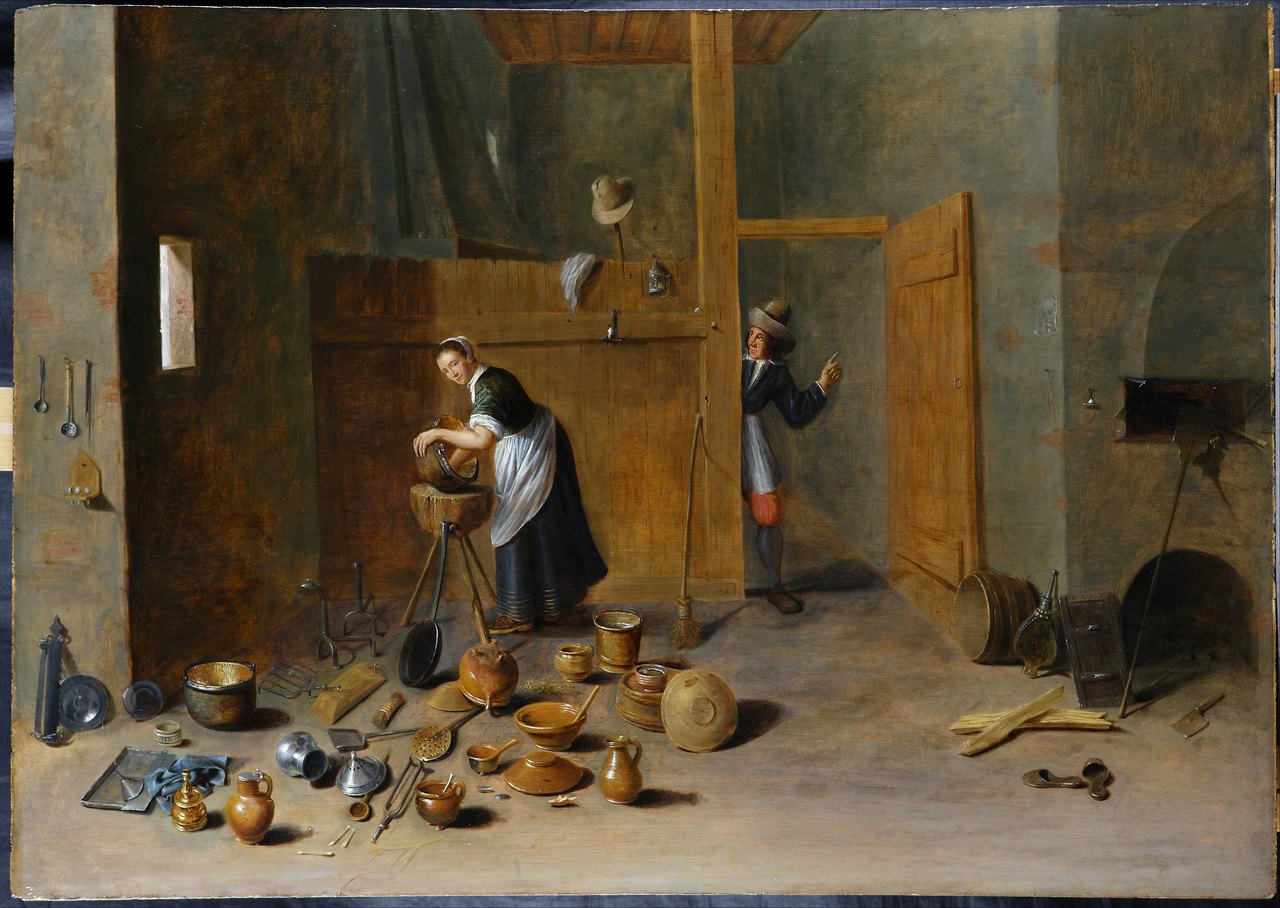
A castle’s glitter was worked for below stairs. A great household — the whole community of a castle, family and staff together — ran on servants: cooks and bakers, scullery girls scouring pots with sand, serving maids hauling trays up spiral stairs, boys turning roasting-spits by the fire. Many were children of ten or twelve, sent by poor families to earn their keep, and their work began before dawn and ended long after the great hall had gone quiet. Their pay was mostly board — meals and a sleeping corner — with a few coins a year if fortune smiled.
Rank ruled the world below stairs as strictly as above. The cook commanded the kitchen like a general; older maids claimed the lighter duties; and the newest, youngest, or clumsiest girl inherited whatever no one else would touch — the coldest water, the heaviest tray, the errand down the darkest stair. It was a hard ladder, but it was a ladder: a serving girl who learned quickly could rise. One who could not — who broke plates and misheard orders — slid instead toward the jobs at the very bottom, where the castle kept its shadows.
Original passage written for Garden Heights — not a quotation from the novel.
1In the passage, a “household” is ___.SAT · Words in Context
2Who turned the roasting-spits by the fire?TOEFL · Factual Information
3In the passage, payment in “board” means ___.TOEFL · Vocabulary
4How old were many castle servants?TOEFL · Factual Information
5Who commanded the kitchen ‘like a general’?SAT · Detail
6In the passage, “duties” are ___.SAT · Words in Context
7What did the newest or clumsiest girl inherit?SAT · Detail
8What could a quick-learning serving girl do?TOEFL · Factual Information
9How does the passage connect to Chapters 31–33?SAT · Text Connections
10Insert Text (TOEFL). Look at the four squares [1]–[4] in the excerpt below. They show where this sentence could be added: “That is how a castle’s worst errand always found its way to its newest girl.”
Rank ruled below stairs as strictly as above. [1] Older maids claimed the lighter duties for themselves. [2] Whatever remained rolled downhill to the newest and clumsiest. [3] In this castle, what remained was a tray, and a dark stair. [4]
Where would the sentence fit best?TOEFL · Insert Text
Part 6 · Optional
Creative Writing
A bonus challenge to practice your English. Take your time and have fun with it.
About This Section
This writing task is optional and is not part of your auto-graded score. The feedback below checks only the basics — length, spelling, and grammar — not whether your ideas are right or wrong. It is meant for classroom discussion and creative practice, so feel free to use your imagination!
Writing Task — Part 4 “The Wish on the Hill”
Mig’s whole life turns on one glittering minute. Write the scene from her eyes: the sheep, the cold, the sound of hooves, the girl on the white horse — and the exact moment the wish takes root. End with her one sentence. Write at least 40 words.
You can start with: “Gor! I heard them before I saw them — bells, and hooves, and…”
0 / 40 words minimum
🗣 Teach It · Just for Fun (optional)
No right or wrong — close the screen and tell someone nearby what happened in this part. Can’t find anyone? Tell yourself out loud. The moment you teach it, you truly understand it.

Part 4 Complete!
You finished Chapters 24–33 · Book the Third of The Tale of Despereaux.
Here are your auto-graded results:
-
points out of 100
Your Writing
Your writing was checked automatically for length, spelling, grammar, and whether you included the key parts of the scene. Scroll back to Part 5 anytime to read your feedback and improve your work.
Independent study guide by Garden Heights. Not affiliated with or endorsed by Kate DiCamillo. Contains original analysis only; no text from the novel is reproduced. Reference text: This workbook follows Kate DiCamillo’s classic text (the standard Puffin edition sold worldwide). Revised 2023 UK editions change some wording and may not match the vocabulary studied here.