
Part 8
Bryce comes to the shop for one long goodbye, and then Edward — restored, gleaming, renamed nothing at all — takes his place on a shelf among the dolls to await a customer. The shop years are their own schooling. A haughty fashion doll sniffs that no one wants a rabbit; Edward, heartsore, is tempted once more to close for good. But beside him sits a doll a whole century old, her paint worn soft, her wisdom gentler than Pellegrina’s: open your heart, she tells him. Someone will come. But first you must open your heart. When a child carries her away to a new life, Edward makes his choice: he opens, he hopes, he stays faithful to the promise through season after season. And then the Coda: a woman steps into the shop, a small daughter named Maggie at her hand — and the woman looks at the rabbit and says the name no one has said in twenty years. Abilene. The journey ends where it began — in the arms that loved him first — and this time, the china rabbit loves back. A homecoming, complete.
| Section | What you will practice |
|---|---|
| Vocabulary | Words of waiting and return: restore, haughty, century, wisdom, await, homecoming… |
| Literary Elements | The wise elder, the coda, and the full-circle ending |
| Cross-Curricular | What a coda is in music, and why endings echo beginnings |
| Ch. | What happens |
|---|---|
| 26 | The Shelf — Bryce’s long goodbye; shop life among the dolls; a haughty neighbor and an old temptation to close the heart. |
| 27 | The Old Doll’s Words — a century of wisdom: ‘Open your heart. Someone will come.’ Edward opens, hopes, and waits through the seasons. |
| Coda | Someone Comes — a mother and her daughter Maggie; a name spoken after twenty years; the homecoming. |
ⓘ The vocabulary words in this list are selected to help you understand and complete this workbook. Some may not appear verbatim in the original novel.
- The century-old doll counsels: open your heart.
- A woman and her daughter Maggie enter — and Abilene says his name.
- Bryce says a long goodbye, and shelf life begins.
- A haughty doll sneers; Edward is tempted to close his heart.
- Edward opens his heart and waits, season after season.
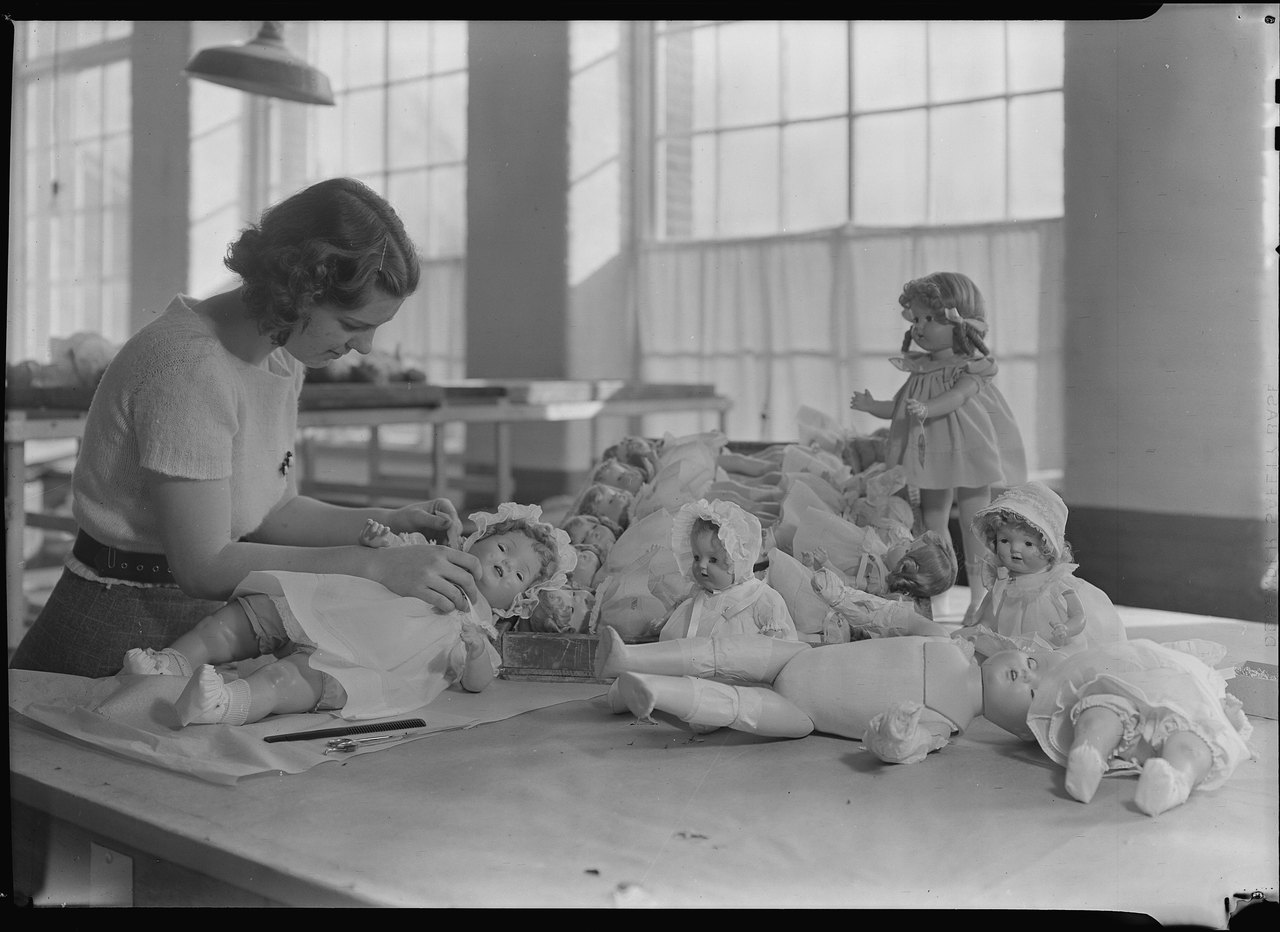
Think back over the shelf years. A boy’s goodbye through a shop window. A neighbor’s sneer, and an old, old voice answering it with the only advice the whole journey has been building: open your heart. Seasons turn in the glass; customers come for others. And then a bell, a small girl, and a grown woman’s voice saying a name the rabbit thought the sea had swallowed — and the longest journey in the shop walks home in a child’s arms.
When a great piece of music seems finished, listeners sometimes hear something more: the coda. The word is Italian for 'tail,' and composers use it for a closing passage that arrives after the final movement has said its say. A coda's work is remembrance: it gathers the piece's great themes — the melodies the whole work grew from — and sounds them one last time, often slower, brighter, or changed in key. In that changed return, the listener hears at once how far the music has traveled. Storytellers borrowed the word, and the tool. A novel's coda stands apart from the final chapter — a leap in time, a change of voice — and lets the tale's themes echo once more in new circumstances: a homecoming, the child grown, the house revisited, the question answered at last. Done well, a coda is not an extra ending but the true one — the moment a story turns to its listener, sounds its deepest note again, and lets it ring.
“That is why a coda feels less like an addition than like a promise kept.”
This writing task is optional and is not part of your auto-graded score. The feedback below checks only the basics — length, spelling, and grammar — not whether your ideas are right or wrong. It is meant for classroom discussion and creative practice, so feel free to use your imagination!
Writing Task — Part 8 “My Coda”
Write the coda of an adventure of your own — real or imagined. Leap ten years forward: where is everyone now, what small object survives from those days, and what old theme sounds one last time when two characters meet again? Write at least 40 words.
No right or wrong — tell someone nearby what happened in this part. Can’t find anyone? Tell yourself out loud. The moment you teach it, you truly understand it.


Part 8 Complete — You Finished the Book! 🎉
You finished Chapters 26–27 & Coda · Final Part — the final part of The Miraculous Journey of Edward Tulane.
Here are your auto-graded results:
The best last step is to teach it. In your own words, explain what happened — retell a favorite scene, teach a character’s big choice, or sum up the main idea for a parent, friend, or classmate. When you can teach it clearly, you truly own it.
Independent study guide by Garden Heights. Not affiliated with or endorsed by Kate DiCamillo. Contains original analysis only; no text from the novel is reproduced. Reference text: This workbook follows Kate DiCamillo’s classic text (the standard Puffin edition sold worldwide). Revised 2023 UK editions change some wording and may not match the vocabulary studied here.