
Part 7
Ally’s reading is truly taking off, and Mr. Daniels marks it by giving her a real chapter book of her own. She loves it so much that she builds a careful, detailed diorama of the house from the story — and when Mr. Daniels sees it, he tells her he is proud of her, four small words no teacher has ever said to her, and they mean everything. In a social studies lesson, Mr. Daniels shares something that lands like sunlight: many world-changers — among them Albert Einstein, George Washington, and the carmaker Henry Ford — are believed to have had dyslexia or to have learned in unusual ways, and they shaped history anyway. Suddenly Ally’s difference does not look like a curse but like company kept by geniuses. The whole feeling of the class begins to shift. Classmates who once might have laughed now tell Ally that her dyslexia is actually cool, and even some of Shay’s old followers quietly turn away from the bullying, leaving little peace-offering bracelets on Shay’s desk as if to say they are done being cruel. The girl who spent years believing she was broken and alone is being seen, at last, as gifted and worth knowing — and she is starting, cautiously, to believe it herself.
| Section | What you will practice |
|---|---|
| Vocabulary | Recognition words: diorama, proud, inventor, admire, acceptance… |
| Literary Elements | A payoff of the reading arc, real-world allusions, and a shift in the group |
| Cross-Curricular | The difference one good teacher can make |
| Ch. | What happens |
|---|---|
| Chapters 39–41 | Proud of You — Ally reads a real chapter book and builds a diorama of its house; Mr. Daniels tells her he is proud, four words no teacher ever gave her before. |
| Chapters 42–44 | Company of Geniuses — Mr. Daniels shares that Einstein, Washington, and Ford likely learned differently; classmates call Ally’s dyslexia cool, and Shay’s followers drift away. |
Four words, and three of them are about being looked at. A diorama is a small three-dimensional model scene, and Ally builds one of the story’s house — the first school assignment she has ever been able to do well. Proud means pleased by someone’s achievement, and Mr. Daniels says he is proud of her, out loud, in words. An inventor is a person who creates new things, and Henry Ford is the famous one Ally reads about. To admire is to respect and think highly of, and classmates begin to admire Ally. Notice the order: she makes something, one adult names it, and then everyone else catches up. Hunt is clear that the class did not change its mind about Ally. It was simply shown, for the first time, something she had made.
ⓘ The vocabulary words in this list are selected to help you understand and complete this workbook. Some may not appear verbatim in the original novel.
The narrative’s growing tension gives way to a crucial revelation and redirects the story’s direction. Ally’s reading is truly taking off, and Mr. Daniels marks it by giving her a real chapter book of her own. She loves it so much that she builds a careful, detailed diorama of the house from the story — and when Mr. Daniels sees it, he tells her he is proud of her, four small words no teacher has ever said to her, and they mean everything. In a social studies lesson, Mr. Daniels shares something that lands like sunlight: many world-changers — among them Albert Einstein, George Washington, and the carmaker Henry Ford — are believed to have had dyslexia or to have learned in unusual ways, and they shaped history anyway. The accumulated tension makes “Being Seen at Last” a genuine story threshold.
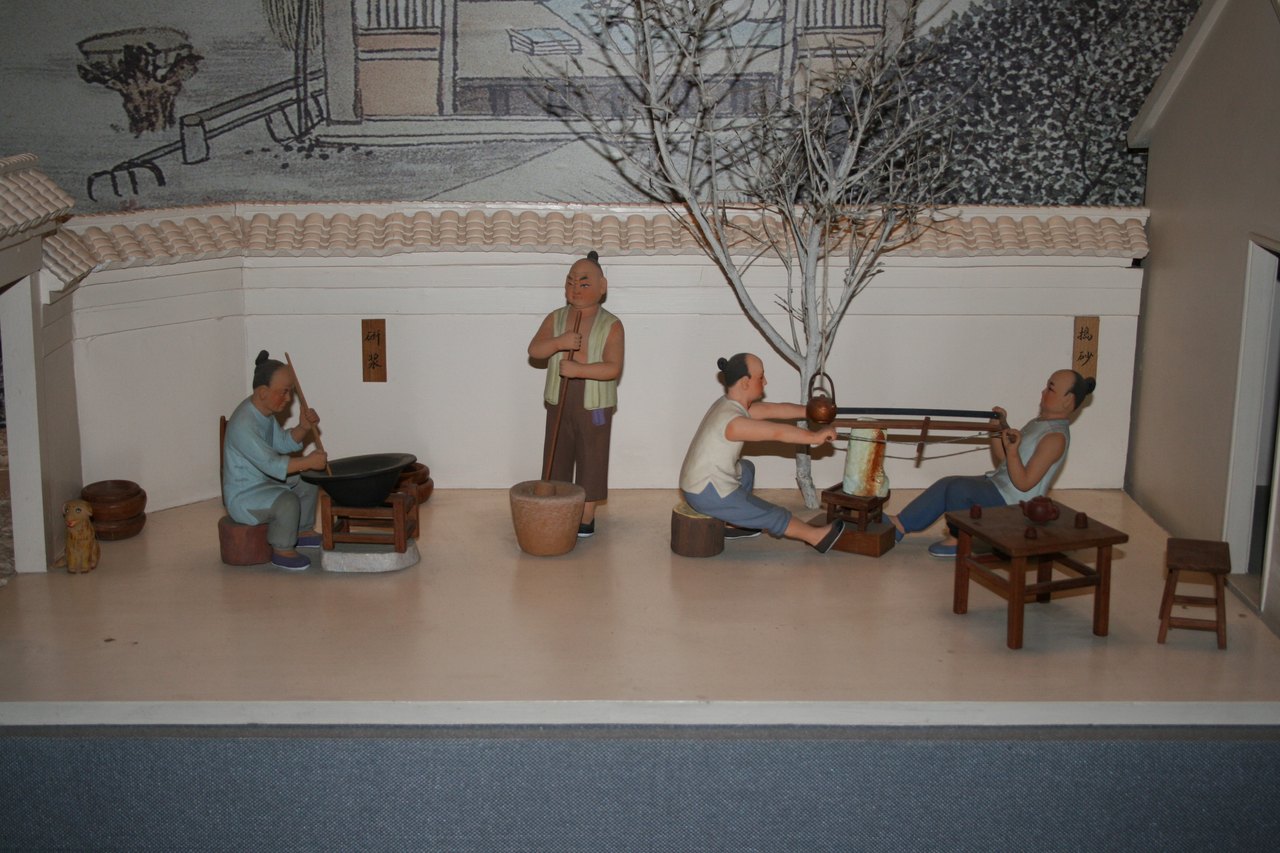
- Ally builds a detailed diorama of the story’s house.
- Mr. Daniels tells Ally he is proud of her.
- He shares that famous people likely learned differently.
- Mr. Daniels gives Ally a real chapter book.
- Classmates call Ally’s dyslexia cool, and Shay’s followers drift away.
As the story nears its end, payoff, allusion, and theme turn earlier details into consequences. When Mr. Daniels names Einstein, Washington, and Ford as people who likely learned differently, he is using real-world allusion — references to famous historical figures — to give Ally something priceless: belonging. For years Ally has felt uniquely broken, the only one. Now, suddenly, her ‘difference’ places her in the company of a scientist who reimagined the universe, a founding leader, and an inventor who put the world on wheels. The facts do more than inform; they reframe. Notice how the same trait — a brain that reads differently — flips from ‘what’s wrong with me’ to ‘what I share with the great’. Hunt is not promising Ally will be Einstein; she is dissolving the loneliness that was crushing her. That authorial design makes “In the Company of Geniuses” a lesson in deliberate structure.
Everything good in Ally’s transformation traces back to one person: Mr. Daniels. His example lines up with what research on learning has found again and again — that a single caring, skilled teacher can change the entire path of a child’s life. What Mr. Daniels does is not magic; it is a set of choices any great teacher makes. He notices the individual child instead of the label. He teaches to Ally’s strengths (chess, pictures, ideas) while patiently building her weakness. He protects her dignity, never shaming her in front of others. He tells her the truth — that she is smart and that her difference has a name — and he says the words ‘I’m proud of you,’ which a struggling child may almost never hear. None of that requires a special program or extra money. It requires an adult who looks at the loud girl in the back row and gets curious.
Think back over these chapters. A girl who once could not read a page holds a whole book that is hers, and loves it so much she builds the story’s house out of cardboard and care — and a teacher looks at it and says four words she has waited her whole life to hear. He tells the class that some of the greatest minds who ever lived read the way she does, and just like that she is not a broken girl but a girl in good company. Around her the room softens: kids who might have laughed say ‘cool’ instead, and on a mean girl’s desk small bracelets appear, quiet as a white flag, as a whole class decides, one child at a time, to be kind.
Everything that changes for Ally can be traced to one person: her teacher, Mr. Daniels. His example matches what researchers have found over and over — that a single caring, skilled teacher can change the whole direction of a young life. What he does is not magic but a set of choices that great teachers make on purpose. He notices the individual child instead of the label. He teaches to a student’s strengths — for Ally, chess, pictures, and ideas — while working on the weakness. He guards each child’s dignity and never shames anyone in front of the class — and he tells the truth: that Ally is smart, that her difference has a name, and that he is proud of her.
Scientists who study why some children thrive despite hardship keep finding the same quiet fact. Often the most important thing that helps a struggling child is not a program or a device but a person — one stable, believing adult who refuses to give up on them. For many children that adult is a teacher. A good one does more than deliver lessons; they can hand a child a whole new story about who they are. Ally arrives in Mr. Daniels’s class believing she is stupid and broken; she leaves believing she is smart and capable, with classmates who admire her — and the difference is almost entirely him. Hunt’s book is a quiet challenge to everyone who teaches: a classroom holds far more than facts, and in the right hands it can hold a child’s whole future.
This writing task is optional and is not part of your auto-graded score. The feedback below checks only the basics — length, spelling, and grammar — not whether your ideas are right or wrong. It is meant for classroom discussion and creative practice, so feel free to use your imagination!
Writing Task — Part 7 “Proud of You”
Mr. Daniels’s four words — ‘I’m proud of you’ — mean everything to Ally. Write about a time someone said something to you that you really needed to hear, or a time you said something kind that mattered to another person. What were the words, and why did they matter so much? 6–10 sentences. End with what those words changed.
No right or wrong — tell someone nearby what happened in this part. Can’t find anyone? Tell yourself out loud. The moment you teach it, you truly understand it.


Part 7 Complete!
You finished Chapters 39–44 of Fish in a Tree.
Here are your auto-graded results:
The best last step is to teach it. In your own words, explain what happened — retell a favorite scene, teach a character’s big choice, or sum up the main idea for a parent, friend, or classmate. When you can teach it clearly, you truly own it.
Independent study guide by Garden Heights. Not affiliated with or endorsed by Lynda Mullaly Hunt. Contains original analysis only; no text from the novel is reproduced. Reference text: This workbook follows Lynda Mullaly Hunt’s classic text (the standard Puffin edition sold worldwide). Revised 2023 UK editions change some wording and may not match the vocabulary studied here.