
Part 4
Chet crosses the street to clear the Bakers' yard, and Juli learns why it was never fixed.
Silence after the eggsIn Chapter 7 Bryce Loski finds that Juli Baker has stopped speaking to him, and cannot tell whether that is a relief. His grandfather, Chet Duncan, almost silent since moving in, now wants to talk about Juli, and is plainly unimpressed by what Bryce did.
Working beside herChet puts on work clothes, crosses the street and begins clearing the Baker yard beside Juli, while Bryce watches from a window, jealous and bewildered. Garrett makes a joke and Bryce goes along with it; Rick Loski has opinions about a man working on somebody else's rented property.
Seeing her own yardChapter 8 gives Juli's side of it. She comes home humiliated by what Bryce said, stands where the street stands and looks at her own yard the way the neighbors must see it, and finally asks her parents why it is never fixed.
Where the money goesThe answer is that the house is rented and the landlord will not maintain it, and that most of Robert Baker's pay goes to the care of his brother, Uncle David. Trina Baker cries; Juli decides the yard is her own job and starts work — and Chet Duncan joins her.
| Section | What you will practice |
|---|---|
| Vocabulary | Words for property and pride: tenant, obligation, neglect, hypocrisy, dignity… |
| Literary Elements | Setting used as evidence, a symbol repaired on stage, and a foil for Bryce’s father |
| Cross-Curricular | Property and neighborhoods — who owns a yard, who must maintain it, and who judges it |
| Ch. | What happens |
|---|---|
| 7 | Get a Grip, Man — Bryce narrates. After the eggs, Juli stops speaking to him and he cannot decide whether that is a relief. His grandfather, Chet Duncan, who has barely spoken since moving in, suddenly wants to talk about Juli, and is unimpressed by what Bryce did. Then Chet puts on work clothes, crosses the street, and starts clearing the Baker yard beside her — hauling, mowing, planting — while Bryce watches from a window and feels an odd jealousy that a grandfather who says nothing to him spends whole afternoons over there. Garrett has a joke about it, Rick has an opinion about it, and Bryce has neither an answer nor the nerve to go outside. |
| 8 | The Yard — Juli narrates. Humiliated, she comes home and looks at her own yard the way the street must: overgrown, patched, and shabby. When she asks why her family never fixes it, the answer is one nobody had explained. The house is rented and the landlord will not maintain it, and most of what her father earns goes to the care of his brother, Uncle David, who has a developmental disability. Her mother cries; her father talks it through with her honestly. Juli decides the yard is now her job and starts hauling and cutting alone — until Chet Duncan walks over and works beside her. |
ⓘ The vocabulary words in this list are selected to help you understand and complete this workbook. Some may not appear verbatim in the original novel.
- Her father explains the rented house and the cost of Uncle David’s care.
- Juli decides the yard is her job and starts clearing it by herself.
- Juli goes home humiliated and looks at her own yard the way the street sees it.
- Chet Duncan crosses the street in work clothes and begins working beside her.
- She asks her parents why the yard has never been fixed, and an argument follows.
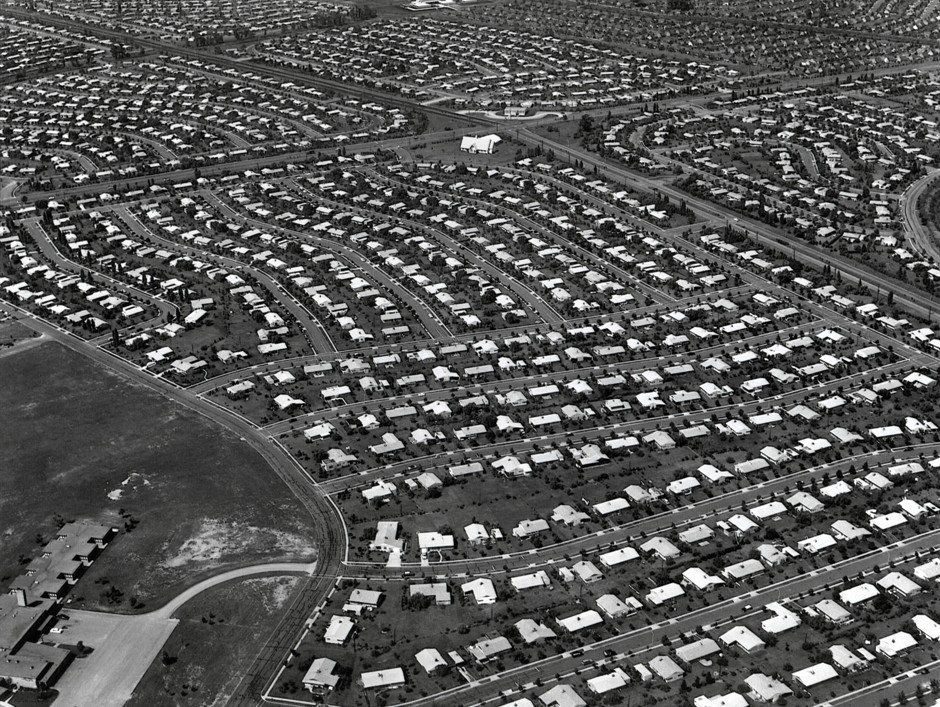
Think back over these two chapters. A girl comes home stung by what a neighbor said about her yard, and instead of arguing she stands at the curb and tries to see the place the way strangers do: brush, bare patches, a fence somebody gave up on. She asks her parents a simple question and gets an answer nobody had offered her before — the house is not theirs, the owner will not spend a dollar on it, and most of her father’s pay is carrying the cost of caring for his brother. Then she goes out with borrowed tools and starts on it anyway. Across the street a boy watches from a window while his grandfather, who hardly speaks in his own house, puts on work clothes and walks over to help. Two chapters, one yard, and everything that explains it hidden indoors.
Every lot in a neighborhood has an invisible outline. The setback is the strip of ground a local rule keeps clear between a building and the property line, which is why houses along one street tend to sit the same distance from the sidewalk. The property lines themselves are recorded on a map at the county office; they are not decided by whatever fence somebody put up years ago. Surveyors get hired precisely because owners are so often wrong about where their land stops.
Ownership is rarely absolute either. A utility company usually holds an easement across part of a lot, a legal right to cross or dig for its lines even though the ground belongs to somebody else. Cities also regulate upkeep, and many have a weed abatement rule that lets the city cut an overgrown lot and bill whoever holds the deed. When a house is rented, the lease decides what a tenant must do and what the owner must do.
None of that is visible from the street, which is the problem. Agents talk about curb appeal because buyers form an opinion of a house within seconds, and neighbors do the same about the people inside it. Studies of housing find that a tidy yard gets read as evidence of character, income, and effort, and an untidy one as neglect, when it may prove only that somebody owns a mower and had a free Saturday. The judgment is cheap to make and slow to correct. A street can be entirely wrong about a family for years without ever asking one question.
“A neighbor who mistakes a rental for a choice has judged a family for a decision somebody else made.”
This writing task is optional and is not part of your auto-graded score. The feedback below checks only the basics — length, spelling, and grammar — not whether your ideas are right or wrong. It is meant for classroom discussion and creative practice, so feel free to use your imagination!
Writing Task — Part 4 “What the Sidewalk Cannot See”
The street decides who the Bakers are by looking at their yard, and every fact that would change that opinion is inside the house. Write about a time you or your family were judged on something visible — a house, a car, clothes, a grade — while the real explanation stayed private. 6–10 sentences. End by naming one question somebody could have asked that would have changed the whole picture.
No right or wrong — close the screen and tell someone nearby what happened in this part. Can’t find anyone? Tell yourself out loud. The moment you teach it, you truly understand it.


Part 4 Complete!
You finished Chapters 7–8 of Flipped.
Here are your auto-graded results:
The best last step is to teach it. In your own words, explain what happened — retell a favorite scene, teach a character’s big choice, or sum up the main idea for a parent, friend, or classmate. When you can teach it clearly, you truly own it.
Independent study guide by Garden Heights. Not affiliated with or endorsed by Wendelin Van Draanen. Contains original analysis only; no text from the novel is reproduced. Reference text: This workbook follows Wendelin Van Draanen’s classic text (the standard Puffin edition sold worldwide). Revised 2023 UK editions change some wording and may not match the vocabulary studied here.