
Part 8
The same auction from Juli's side, and a sycamore planted in her yard by the boy who let one fall.
Leaving him offChapter 14 belongs to Juli Baker and covers the same auction from her side. Determined to prove she is finished with Bryce, she votes for the quiet, decent boys and leaves him off her list entirely; his name is read out anyway, and hearing that Shelly Stalls means to bid stings more than she expected.
Eighteen dollarsShe leaves her money at home on purpose, but Mrs. Stueby catches her before school and pays her eighteen dollars for months of eggs. When the bidding on Jon Trulock produces nothing but silence, Juli spends the whole eighteen dollars on him.
The hand she pullsAt lunch she sits with Jon and finds him easy company, while Shelly and Miranda Humes fight openly at Bryce's table. Bryce Loski then appears beside her, takes her hand and tries to kiss her, and she gets away from him and goes home.
A tree plantedShe tells Trina Baker everything, and her mother answers that the Loski marriage is in trouble and that people do change. Days later Bryce is planting a sycamore in the Bakers' yard with Robert Baker's permission, and Juli decides it may be time to hear him out.
| Section | What you will practice |
|---|---|
| Vocabulary | Words from a fundraiser: auction, bid, pledge, proceeds, beneficiary… |
| Literary Elements | Resolution, symbol, and an ending that stops one moment before the answer |
| Cross-Curricular | Charity auctions — how the money is raised and where it actually goes |
| Ch. | What happens |
|---|---|
| 14 | The Basket Boys — Juli narrates the auction from her side of the room. Trying to prove she is finished with Bryce, she votes for the quiet, decent boys and deliberately leaves him off her list; his name is read out anyway, and hearing that Shelly Stalls means to bid on him hurts more than she expected. She leaves her money at home on purpose, but Mrs. Stueby catches her before school and settles up eighteen dollars for months of eggs, so Juli arrives with cash in her pocket after all. When the bidding on Jon Trulock produces nothing but silence, she cannot stand it and spends the whole eighteen dollars on him. At lunch she sits with Jon while Shelly and Miranda fight at Bryce’s table; Bryce appears beside her, takes her hand and tries to kiss her, and she gets away and goes home. She tells her mother everything, and her mother tells her that the Loski marriage is in trouble and that people can change. Days later Bryce is in the Bakers’ front yard with her father’s permission, planting a sycamore sapling, and Juli decides it may be time to hear him out. |
ⓘ The vocabulary words in this list are selected to help you understand and complete this workbook. Some may not appear verbatim in the original novel.
- Days after the lunch, Bryce plants a sycamore in the Bakers’ yard.
- Juli votes for quiet, decent boys and leaves Bryce off her list.
- Nobody bids on Jon Trulock, so Juli spends the whole eighteen dollars.
- Mrs. Stueby stops her before school and pays eighteen dollars for eggs.
- She hears that Shelly Stalls intends to bid on Bryce.
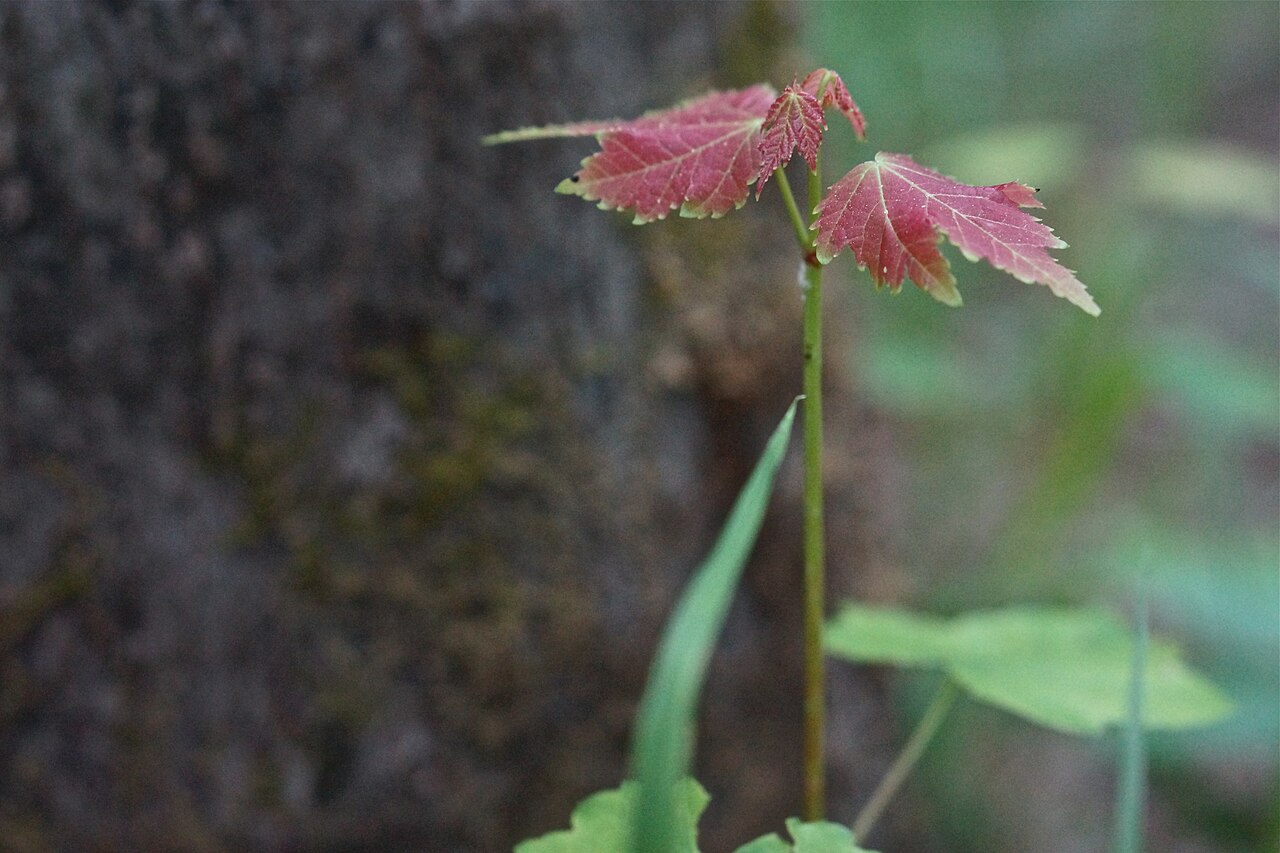
Hold on to the last picture in this book. A boy is on his knees in somebody else’s front yard with a shovel and a young sycamore, working steadily, having asked the girl’s father for permission and nobody else. Inside the house a girl is at the window watching him and deciding what to do, and everything that would normally be said out loud at the end of a story — the apology, the explanation, the promise — is not said at all. The tree that started this whole argument was cut down in front of her. Now a smaller one is going into the ground on her side of the street. The novel ends before she reaches the door, which leaves the last decision exactly where it belongs.
A school fundraiser looks like a party and works like a small business. Somebody sets a goal, picks an event, and estimates what the event will cost before a single dollar comes in. The money that arrives at the door is the gross, and what survives after the bills are paid is the proceeds. A pledge made on the night is only a promise, and somebody still has to collect it afterward. Volunteers matter enormously here, because every job a volunteer does is a job nobody has to be paid to do.
An auction is popular because it lets a crowd set the price. The items are donated, so what is sold costs the organizers almost nothing, and open bidding can push a price well past what a fixed ticket would dare to charge. Organizers still spend money on the room, the printing, the food and the permits, and those costs together are the overhead. A well-run event keeps overhead low enough that most of what is raised is still there at the end.
The last question is where the money actually goes. Every fundraiser should name its beneficiary — the person, team or program that receives what is raised — and honest organizers say so before anyone donates. Schools usually route the money through a booster club or a parent group, which then has to report what it collected and what it spent. Donors are entitled to ask both questions. A group that answers them plainly is usually worth giving to a second time.
“A crowd of small givers rewards the raffle; a few determined bidders reward the auction.”
This writing task is optional and is not part of your auto-graded score. The feedback below checks only the basics — length, spelling, and grammar — not whether your ideas are right or wrong. It is meant for classroom discussion and creative practice, so feel free to use your imagination!
Writing Task — Part 8 “What I Would Raise Money For”
The Booster Club raises money by putting twenty boys and their lunches up for bidding. Design a fundraiser of your own. Name the cause the money would go to, describe the event in enough detail that somebody could actually run it, and estimate what it would cost to put on. 6–10 sentences. End by explaining one rule you would set so that nobody at your event is embarrassed the way Jenny is at this one.
No right or wrong — tell someone nearby what happened in this part. Can’t find anyone? Tell yourself out loud. The moment you teach it, you truly understand it.


Part 8 Complete — You Finished the Book! 🎉
You finished Chapter 14 — the final part of Flipped.
Here are your auto-graded results:
The best last step is to teach it. In your own words, explain what happened — retell a favorite scene, teach a character’s big choice, or sum up the main idea for a parent, friend, or classmate. When you can teach it clearly, you truly own it.
Independent study guide by Garden Heights. Not affiliated with or endorsed by Wendelin Van Draanen. Contains original analysis only; no text from the novel is reproduced. Reference text: This workbook follows Wendelin Van Draanen’s classic text (the standard Puffin edition sold worldwide). Revised 2023 UK editions change some wording and may not match the vocabulary studied here.