
Judy Moody cover
Garden Heights Academy

Judy Moody

This workbook is for Garden Heights members. Sign in to continue.

Sign in with Google →
New here? Just sign up with Google — your account includes Matilda, our gift book, forever.
Judy Moody · Garden Heights Academy

Part 1

for Judy Moody · Part 1 · Chapters 1–2
a novel by Megan McDonald
35 min5 Parts
This workbook is built on a solid pedagogical foundation, effectively integrating content and language learning based on the CLIL framework (Content and Language Integrated Learning), elevated by our unique 5th C — Connection — and an integrated Standardized Test section that weaves every SAT & TOEFL question type right into the novel, so learners build real test skills easily, naturally, and with fun.
What Happens in Part 1

Judy Moody wakes up in a bad mood — a really bad mood — on the first day of third grade and does not want to get out of bed. She has no exciting summer souvenir to show off, so she invents her own: a homemade T-shirt that says “I ate a shark.” She meets her best friend Rocky at the bus stop and heads to school, where she gets her new teacher, Mr. Todd, and a class pet named Tucson. Judy is seated near Frank Pearl, a boy who bugs her, and during a spelling list she writes only grumpy words. When Mr. Todd announces a special project — a “Me collage” all about each student — Judy is still too moody to care.

What We Will Learn
FocusWhat It Means
Mood & CharacterHow a character’s feelings shape the way they act and speak
SettingHow the start of a new school year frames the whole story
Author’s CraftHumor, voice, and word choice that bring Judy to life
Chapter Summary
ChapterKey Events
Ch.1Judy wakes in a bad mood on the first day of third grade, has no summer souvenir, and makes an “I ate a shark” T-shirt; she meets Rocky at the bus stop
Ch.2Judy meets Mr. Todd and the class pet Tucson, is seated near Frank Pearl, writes grumpy spelling words, and hears about the “Me collage” project
💭 Before You Read · Warm-Up (not scored)

There are no wrong answers here — just think, guess, and talk:

  • Have you ever woken up in a really bad mood for no clear reason? What made it better — or worse?
  • Judy invents an exciting summer ‘souvenir’ she didn’t really earn. Why do people sometimes want a better story than the true one?
  • Predict: a whole book about one third-grader’s moods. What kinds of things do you think will change how Judy feels?
Copyright Notice

This is an independent study guide created by Garden Heights Academy to support reading comprehension and literary analysis. It contains original analysis questions and does not reproduce any text from the novel. Judy Moody is a work by Megan McDonald. This guide is not affiliated with, authorized by, or endorsed by Megan McDonald or any associated rights holders. Students should read the original book, available from libraries and booksellers.
Part 1
Vocabulary
Study 10 key words from Chapters 1–2, then answer each question.
🖼Knowledge Bank · What Is a Self-Portrait?
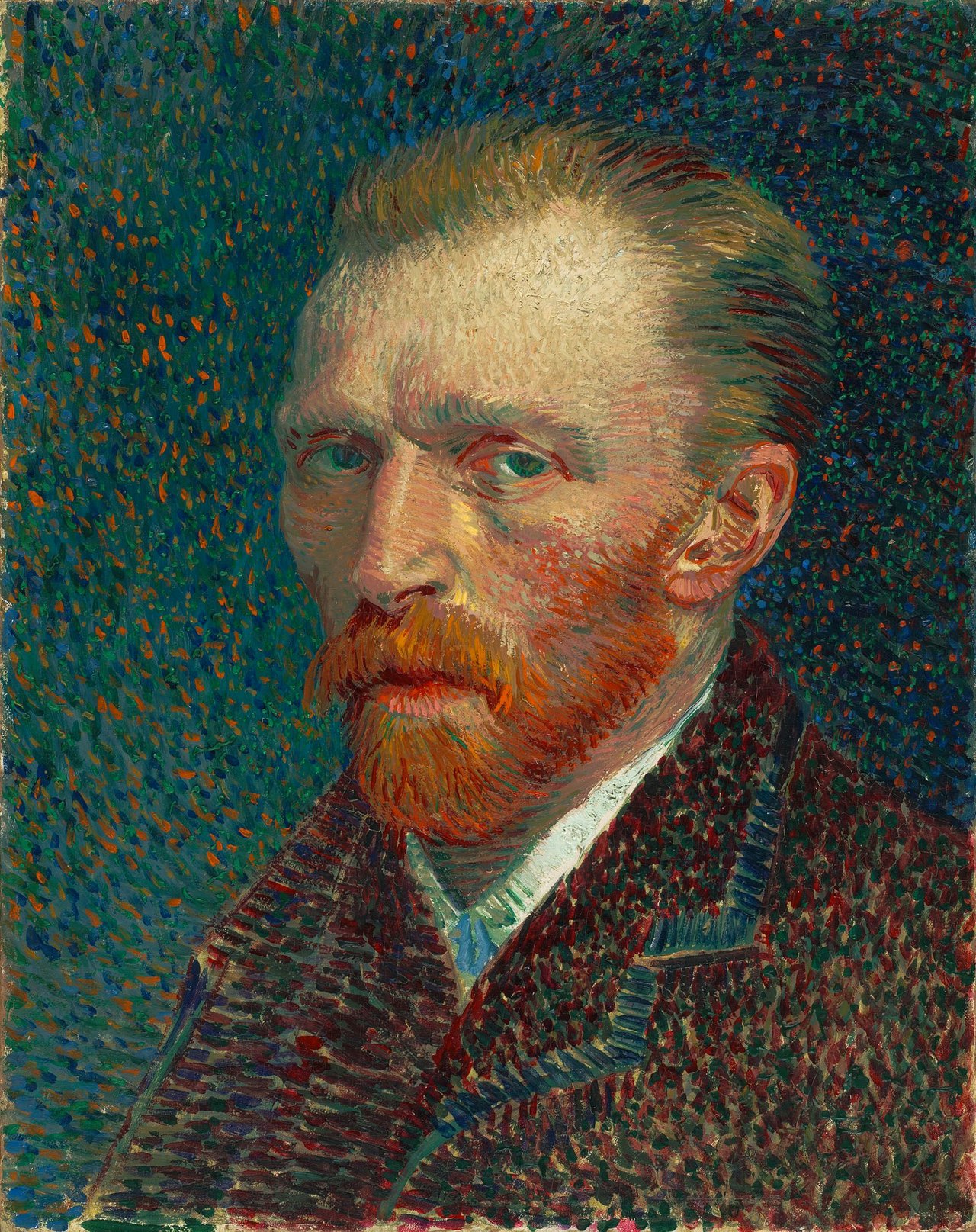
Art · Self-PortraitsJudy’s class has to make a picture all about themselves. Real artists do this too. A picture an artist makes of their own face is called a self-portrait. Long before cameras existed, painters propped up a mirror and painted exactly what they saw. Vincent van Gogh painted his own face dozens of times. Frida Kahlo painted hers in bold colors to show how she felt inside. A self-portrait works a little like a souvenir, a word borrowed from French that means ‘to remember.’ It saves a piece of a person. When you make one, you are both the artist and the model.
moodn.Ch.1
The way a person feels at a certain time
“Judy woke up in a terrible mood and would not smile.”
dreadv.Ch.1
To feel very worried or afraid about something coming
“Judy began to dread the first day of school.”
souvenirn.Ch.1
An object kept to remember a place or event
“Everyone had a vacation souvenir except Judy.”
glumadj.Ch.1
Sad, gloomy, and low in spirits
“Judy felt glum about the end of summer.”
collagen.Ch.2
A picture made by gluing many materials onto one surface
“Mr. Todd asked the class to make a Me collage.”
reluctantadj.Ch.1
Not wanting to do something
“Judy was reluctant to get out of bed.”
announcev.Ch.2
To tell people about something officially
“Mr. Todd announced a new class project.”
ordinaryadj.Ch.1
Normal and not special
“Judy did not want an ordinary summer story.”
sketchv.Ch.1
To draw quickly and roughly
“Judy sketched a shark on her new T-shirt.”
grumblev.Ch.2
To complain in a low, unhappy voice
“Judy began to grumble about her seat.”

ⓘ The vocabulary words in this list are selected to help you understand and complete this workbook. Some may not appear verbatim in the original novel.

1Judy feels sad and gloomy about the end of summer. Which word best describes her?Ch.1
2True or False: To “dread” something means you are excited and happy about it.Ch.1
3A picture made by gluing photos, drawings, and bits of paper together is called a ___.Ch.2
4True or False: A “souvenir” is something you keep to help you remember a place or event.Ch.1
5Fill in each blank with the correct word.Ch.1–2
Word choices:reluctantcollagegrumbledreadsketch- some words will not be used
Judy was to leave her warm bed on the first day. ... she began to about everything around her.
6True or False: Someone in a good “mood” is cheerful and pleasant.Ch.1
7To “sketch” the shark on her shirt, Judy had to ___.Ch.1
8True or False: An “ordinary” day is unusual and full of surprises.Ch.1
9Fill in the blanks with the correct words.Ch.2
Word choices:announceordinarycollagemood- some words will not be used
Mr. Todd will a project: each student must make a all about themselves.
10Judy keeps complaining in a low, unhappy voice. This is called ___.Ch.2
Part 2
Comprehension
How well do you understand Chapters 1–2?
🔍Knowledge Bank · Finding the Big Idea
Reading Skill · Main IdeaA story hands you many small facts at once. Good readers first look for the topic, meaning what the whole part is mostly about. Then they hunt for the one big thing the writer most wants them to know. Think of it as the title printed across a poster: short, but it covers everything underneath. In these opening chapters plenty of little things happen, such as a grumpy morning, a new teacher, and a surprise class project. Those little things are called details, and they hold up the big point the way legs hold up a table. Keep your eye on the biggest idea.
1Why is Judy in a bad mood at the start of the book?Ch.1
2What does Judy make to give herself an exciting summer story?Ch.1
3Who does Judy meet at the bus stop?Ch.1
4True or False: Judy’s new third-grade teacher is named Mr. Todd.Ch.2
5Write the numbers 1–5 in the boxes to show the correct order across Part 1. Number 1 = what happens first.Ch.1–2
  • Mr. Todd announces the “Me collage” project.
  • Judy makes an “I ate a shark” T-shirt because she has no souvenir.
  • Judy wakes up in a bad mood and does not want to get out of bed.
  • Judy meets Mr. Todd and the class pet, Tucson.
  • Judy meets Rocky at the bus stop and rides to school.
6True or False: Judy is seated next to Frank Pearl, a boy who bugs her.Ch.2
7During the spelling activity, what kind of words does Judy write?Ch.2
8What is the special project Mr. Todd announces?Ch.2
9True or False: The class gets a new class pet named Tucson.Ch.2
10Fill in the blanks to complete the sentence.Ch.1–2
Word choices:sharkRockycollagesouvenir- some words will not be used
Because she had no , Judy made a T-shirt about eating a .
Part 3
Literary Elements
Understanding HOW and WHY Megan McDonald creates certain feelings across Chapters 1–2.
🎭Knowledge Bank · Show, Don’t Tell
Literary Craft · CharacterizationHow do you get to know a person in a book? A writer could simply announce that a girl is grumpy. Megan McDonald does something smarter. She lets you watch Judy act grumpy, stomping and scowling and choosing gloomy words for her spelling list. This craft is called characterization: showing who someone is through actions, words, and choices. Skilled writers show instead of tell, because a slammed door lets you feel the anger yourself. Watch closely as these first chapters go by. Every small action is a clue the author leaves so you can work out her real character.
📚 Literary Devices in This Part · definitions & examples
Mood is the feeling a story gives the reader. The funny, grumpy tone of Chapter 1 makes us smile even while Judy frowns.
Characterization is how an author reveals what a character is like — through actions, words, and choices, such as Judy’s shark T-shirt.
Voice is the special personality in the writing. Judy’s bold, funny way of seeing the world gives the book its lively voice.
The questions below are mixed — not grouped by device. Decide which device each one is about.
1The funny, grumpy feeling of Chapter 1 is the story’s —Ch.1–2
2Mood is the feeling a story gives the reader.Ch.1–2
3Fill in each blank with the correct word.Ch.1–2
Word choices:moodcharacterizationtonesetting- some words will not be used
The grumpy, funny feeling of the chapter is its
How the author shows what Judy is like is .
4Showing what Judy is like through her words and acts is —Ch.1–2
5Characterization is how an author shows what a character is like.Ch.1–2
6Fill in each blank with the correct word.Ch.1–2
Word choices:characterizationmoodtonesetting- some words will not be used
The author reveals Judy through her actions — this is
The grumpy feeling of Chapter 1 is the .
7The grumpy, funny feeling of these chapters is the —Ch.1–2
8We learn Judy is moody from how she acts — this is —Ch.1–2
9Fill in each blank with the correct word.Ch.1–2
Word choices:moodcharacterizationtoneplot- some words will not be used
The feeling a scene gives the reader is its
Revealing Judy through her actions is .
10Judy’s grumpy words and actions mainly help set the story’s —Ch.1–2
Part 4
Think Deeper
Four deeper challenges — no single-word recall. Read, weigh the evidence, and reason it through.
🧠Knowledge Bank · Everybody Has Moods
Social-Emotional · Moods & FeelingsIn the United States the school year begins at the end of summer, with a new room, a new teacher, and new rules all at once. That much change can leave anyone cranky, which is exactly why the book opens on this particular day. Everybody has moods: happy, silly, gloomy, cross. Moods are like weather inside us, sunny one hour and stormy the next, and doctors say sleep, food, and events all tug them around. No storm lasts forever. Saying a feeling out loud shrinks it, so learning to name what you feel is genuine wisdom.
1Claim: “Judy makes her own fun instead of staying stuck in a bad mood.” — choose the two details that best prove it.Claim & Evidence
2Shows Judy making her own fun, or just a detail of the day? Tap each item to send it left or right.Sort into two
◄ Making her own funJust a detail ►
3Match each cause to its result. For each cause, pick its result.Cause & Effect
Judy has no exciting souvenir
The shirt says ‘I ate a shark’
It is the first day of third grade
The Me collage is assigned
4Fill both blanks to complete the reasoning.Build the Argument
Judy’s ‘I ate a shark’ T-shirt shows that , which means that .
Part 5
Standardized Test
Vocabulary in Context & Main Idea — SAT & TOEFL-style practice
🎯 You already have the skills from the sections above — this is just a fun way to meet real SAT & TOEFL-style questions. Read the passage (the highlighted words are tested below), then answer the questions below. Tap an answer to select it, then tap it again to confirm — you can change your choice until you confirm.

A collage is a picture made not with paint but with pieces — scraps of colored paper, photographs, cloth, even bus tickets — all glued onto one surface. The word comes from a French word meaning ‘to glue,’ and the idea is wonderfully simple: instead of drawing something, you gather real bits of the world and arrange them into art. One of the most famous collage artists was Henri Matisse. When he grew too ill to stand and paint, he began cutting bright shapes from painted paper and pinning them to his walls, creating huge, joyful pictures he called ‘drawing with scissors.’ A collage has a special power: because every piece was once something else, the finished work carries little memories inside it. That is why teachers often ask children to make a ‘me collage,’ choosing objects that represent who they are. The result is part picture, part story — a self-portrait made of glued-down clues.

Original passage written for Garden Heights — not a quotation from the novel.
1In a collage, the small parts glued down are mainly —TOEFL · Factual Information
2The word “collage” comes from a French word meaning —TOEFL · Factual Information
3To “gather” bits of the world is to —SAT · Words in Context
4Why did Matisse begin making collages?TOEFL · Factual Information
5Matisse called his collage method —TOEFL · Factual Information
6To “create” a picture is to —SAT · Words in Context
7Why does a collage carry “little memories inside it”?SAT · Inference
8Something that “represents” you —SAT · Words in Context
9Which sentence best states the main idea of the passage?SAT · Central Ideas
10The author calls a me collage “a self-portrait made of glued-down clues” mainly to —TOEFL · Rhetorical Purpose
Part 6 · Optional
Creative Writing
A bonus challenge to practice your English. Take your time and have fun with it.
About This Section

This writing task is optional and is not part of your auto-graded score. The feedback below checks only the basics — length, spelling, and grammar — not whether your ideas are right or wrong. It is meant for classroom discussion and creative practice, so feel free to use your imagination!

Writing Task — Part 1 “A Really Bad Mood”

Think of a time you were in a really good or really bad mood. What happened? How did your mood change the way you acted? Write at least 40 words describing your mood, just like the author describes Judy’s.

You can start with: “One time I was in the biggest mood. It started when…”
0 / 40 words minimum
🗣 Teach It · Just for Fun (optional)

No right or wrong — close the screen and tell someone nearby what happened in this part. Can’t find anyone? Tell yourself out loud. The moment you teach it, you truly understand it.


Garden Heights Academy

Part 1 Complete!

You finished Chapters 1–2 of Judy Moody.

Here are your auto-graded results:

-
points out of 100
Your Writing

Your writing was checked automatically for length, spelling, grammar, and whether you included the key parts of the scene. Scroll back to Part 5 anytime to read your feedback and improve your work.

Move on to Part 2 →

Independent study guide by Garden Heights Academy. Not affiliated with or endorsed by Megan McDonald. Contains original analysis only; no text from the novel is reproduced.