
New here? Just sign up with Google — your account includes Matilda, our gift book, forever.
From the Mixed-Up Files of Mrs. Basil E. Frankweiler · Garden Heights
Part 8
for From the Mixed-Up Files of Mrs. Basil E. Frankweiler · Part 8 · Chapters 9–10 · Final Part
8 Parts40 min
What Happens in Part 8
Once Mrs. Frankweiler hears where the runaways have been living, she proposes an exchange worthy of them both: their whole story for her files — and one chance. If, in a single hour, they can find the file that answers the Angel question, the answer is theirs. Claudia searches the cabinets systematically — Angel, Michelangelo, marble — and fails, until Jamie’s cry of ‘baloney!’ lights the lamp: Bologna, the Italian city where the statue was bought. Inside the BOLOGNA file lies the treasure: a genuinesketch of the Angel, drawn and marked by Michelangelo’s own hand. The old collector confesses she has always known — and kept the secret because some knowledge is worth more than money. The bargain concludes: the children tell her everything, she promises they will inherit the sketch in her will, and Claudia rides home triumphant, different at last on the inside, where it counts. One secret remains for the letter’s reader alone: Saxonberg, her lawyer of forty-one years, is the children’s own grandfather.
What We Will Learn
Section
What you will practice
Vocabulary
Words of bargains and legacies: exchange, systematic, genuine, sketch, inherit, will…
Literary Elements
Climax, resolution of the frame, and theme
Cross-Curricular
How archives are organized — and how a ‘mixed-up’ file can be a lock
Chapter Summary
Ch.
What happens
9a
The Bargain — their runaway story for one hour among the filing cabinets.
9b
‘Baloney!’ — logic fails, a joke succeeds: the answer waits in the BOLOGNA file.
9c
The Sketch — Michelangelo’s own drawing of the Angel, marked with his mark.
10
Settled — the secret sealed, the sketch promised in her will, the ride home with Sheldon — and the letter’s last reveal: Saxonberg is their grandfather.
Part 1
Vocabulary
Study 10 key words from Chapters 9–10 · Final Part, then answer each question.
đź–ĽKnowledge Bank · Why Archives Need Finding Aids
Archives · Organization and RetrievalAn archive preserves records so they can be found and understood later. Professional archivists usually arrange materials in layers—collection, series, box, and folder—and create a finding aid that explains those layers. They try to preserve original order because an owner’s arrangement can reveal how the records were used. An index may list names or subjects, but no system predicts every searcher’s wording. In Chapter 9, sensible labels fail because Mrs. Frankweiler’s personal categories follow associations known mainly to her. Jamie’s wordplay connects one everyday word to a place-name, unlocking the file. The episode teaches a real retrieval lesson: stored information is useful only when a person can translate a question into the system’s logic. Standard descriptions allow future researchers to navigate records without sharing the archivist’s private associations. Organization fulfills its purpose when it produces reliable access.
exchangen.Ch.9
A trade of one thing for another
“She offered an exchange: their story for her files.”
systematicadj.Ch.9
Done by a careful, orderly method
“Claudia’s search was strictly systematic.”
genuineadj.Ch.9
Real; not fake
“The sketch was genuine beyond doubt.”
sketchn.Ch.9
A quick preparatory drawing
“A sketch of the Angel lay in the file.”
inheritv.Ch.10
To receive something through a will
“The children would inherit the sketch someday.”
willn.Ch.10
A legal paper naming who receives one’s things
“Her will would carry one new line.”
deadlinen.Ch.9
A time limit for finishing something
“One hour — the deadline was firm.”
triumphantadj.Ch.9–10
Joyful because of victory
“Claudia rode home triumphant.”
identityn.Ch.10
Who a person truly is
“Saxonberg’s identity is the letter’s last secret.”
satisfiedadj.Ch.10
Content; pleased that a need is met
“At last, Claudia felt satisfied.”
ⓘ The vocabulary words in this list are selected to help you understand and complete this workbook. Some may not appear verbatim in the original novel.
1A trade of one thing for another is an ___.Ch.9
2A ‘systematic’ search jumps about with no method at all.Ch.9
3Something real, not fake, is ___.Ch.9
4To ‘inherit’ something is to receive it through a will.Ch.10
5Fill in each blank with the correct word.Ch.9
Word choices:deadlinesketchexchangeidentity- some words will not be used
The one-hour made the search a race.
Inside the file lay a marked of the Angel.
6A legal paper naming who receives your things is a ___.Ch.10
7Someone ‘triumphant’ feels crushed by defeat.Ch.9–10
8A person’s true self is their ___.Ch.10
9Fill in the blanks with the correct words.Ch.9–10
Word choices:triumphantsystematicgenuinewill- some words will not be used
Her search tried every sensible label.
Claudia rode home at last.
10Feeling content because a need has been met is being ___.Ch.10
Part 2
Comprehension
Show you understood what happens in Chapters 9–10 · Final Part.
🔑Knowledge Bank · A Promise Written into a Will
Civics · Wills and InheritanceA will is a legal document stating how a person’s property should be handled after death. A named executor carries out its instructions, while a beneficiary receives money or property. A gift of a particular object, such as a drawing, is called a bequest. Because a will acts later, being named does not mean the recipient owns the object immediately; the owner may continue to care for it, revise instructions, or set lawful conditions. Across Chapters 9–10, Mrs. Frankweiler uses inheritance to connect the children’s future with a secret she still controls. The frame letter’s lawyer is therefore more than an audience: family and law meet in the same channel. Tracking who promises, who receives, and when ownership changes clarifies the final bequest. Wills are dated, signed, and witnessed according to law, creating a record that an executor can follow. Formal procedure turns a private wish into public accountability.
1What bargain does Mrs. Frankweiler offer the children?Ch.9
2How long do the children have to find the right file?Ch.9
4What finally points them to the right drawer?Ch.9
5Write the numbers 1–5 in the boxes to show the correct order of events in Chapters 9–10. Number 1 = what happens first.Ch.9–10
Claudia’s systematic search comes up empty.
The children trade their story and head home with Sheldon.
Jamie’s ‘baloney’ points to the right drawer.
The genuine sketch is found in the BOLOGNA file.
Mrs. Frankweiler offers the one-hour bargain.
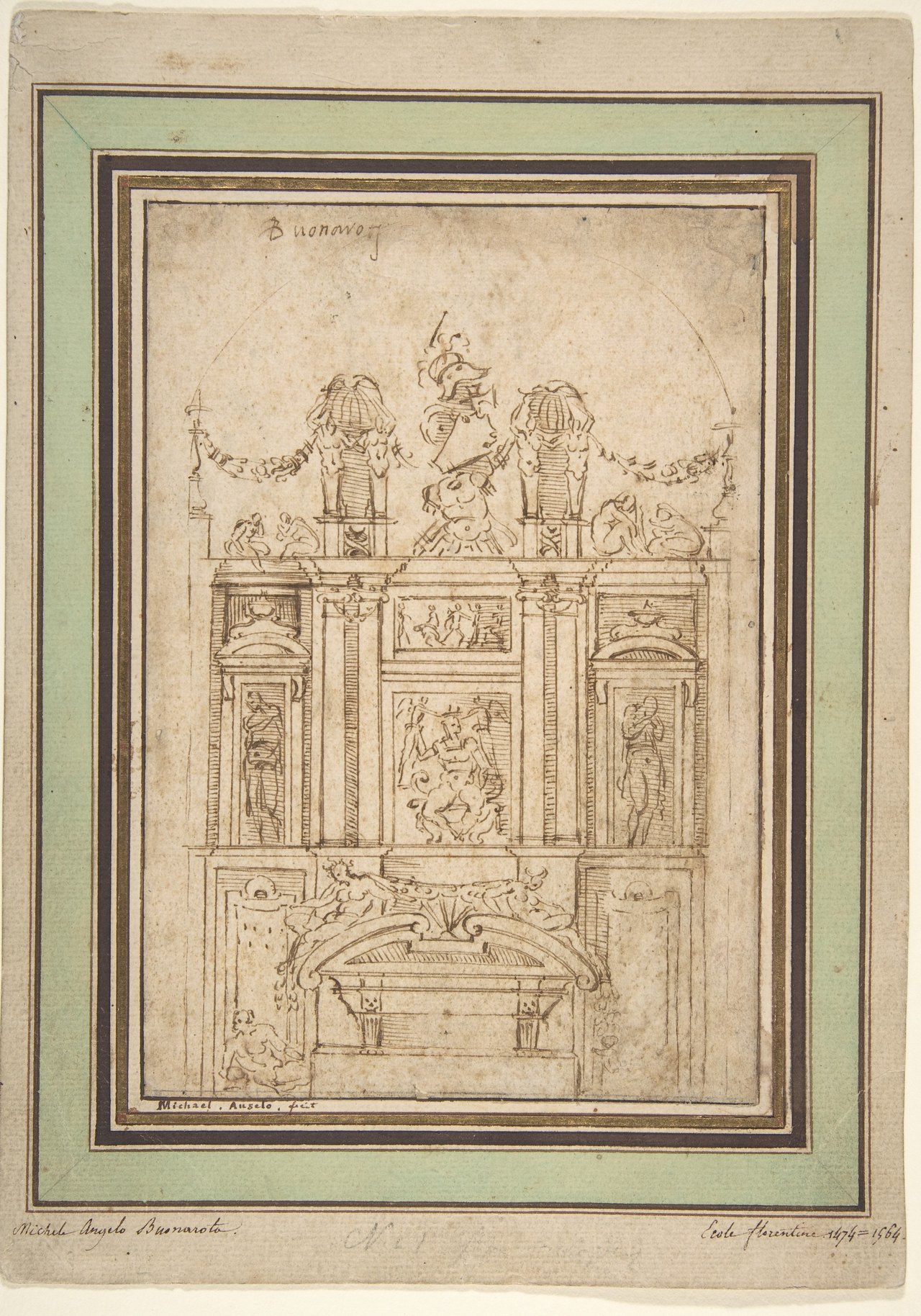
6The BOLOGNA file holds Michelangelo’s own sketch of the Angel.Ch.9
7Why has Mrs. Frankweiler kept the proof secret for years?Ch.10
8What will the children receive through her will?Ch.10
9On the ride home, the children plan to adopt Mrs. Frankweiler as a grandmother.Ch.10
10What is the letter’s final secret about Saxonberg?Ch.10
Part 3
Literary Elements
Understanding HOW and WHY E.L. Konigsburg tells the story across Chapters 9–10 · Final Part.
đź§ Knowledge Bank · Closing Both Stories at Once
Literary Craft · Climax and Frame ResolutionA framed narrative creates two endings: the inner adventure must resolve, and the outer act of telling must reveal its purpose. Chapter 9 provides the climax through a deadline, repeated failure, and sudden discovery. Chapter 10 then supplies resolution by settling the bargain, arranging the return, and explaining why Mrs. Frankweiler addresses Saxonberg. The late identity reveal sends readers backward through every interruption in the letter, turning earlier remarks into clues. Konigsburg also uses reframing through the jump from “baloney” to Bologna: playful language changes the category of the search and opens a path that strict logic missed. Plot, wordplay, and narrator identity close together. A satisfying frame does more than stop the action; it creates closure. Resolution need not answer every factual question; it must settle the story’s central conflict and emotional direction. Here, the completed frame changes adventure into lasting meaning.
Climax
The story’s peak — a one-hour deadline, failing searches, and the drawer that finally opens.
Frame Resolution
The outer story closes over the inner one — the letter’s purpose and Saxonberg’s identity land last.
Theme
The book’s central idea — growing up means owning something of your own inside: a secret, a self.
1The one-hour race through the filing cabinets serves as the book’s ___.Ch.9
2Fill in the blank with the correct literary term.Ch.9–10
Word choices:themeclimaxallusionpacing- some words will not be used
The central idea a book leaves you with is its .
The peak moment of tension and change is the .
3Learning at the very end why the letter was written shows the frame ___.Ch.10
4Claudia’s prize being a secret, not a treasure, expresses the book’s theme.Ch.10
5Jamie’s ‘baloney’ cracking the puzzle — after Claudia’s logic fails — rewards ___.Ch.9
6Mrs. Frankweiler filing the proof under BOLOGNA characterizes her as ___.Ch.9
7A frame story must leave its outer story unresolved to feel complete.Ch.10
8Fill in the blank with the correct literary term.Ch.10
Word choices:framethemesuspensemotif- some words will not be used
The letter that wraps and finally explains the story is the .
9Saving Saxonberg’s identity for the last page rewards the reader’s ___.Ch.10
10The book ends with a will, a secret, and a promised visit — rather than a public triumph — because ___.Ch.10
Part 4
Think Deeper
Four deeper challenges — no single-word recall. Read, weigh the evidence, and reason it out.
đź’ˇKnowledge Bank · What Can a Renaissance Drawing Prove?
Art History · Drawings and ProvenanceRenaissance artists used drawings for several purposes: quick sketches explored ideas, figure studies tested anatomy, and detailed models showed a patron a proposed design. Michelangelo’s surviving sheets help scholars study how his forms developed, but one genuine drawing does not automatically prove who carved a related sculpture. Researchers compare the paper’s date, marks, ownership history, design details, and connection to workshop practice. That combined record strengthens or weakens an attribution. Within the fictional mystery, Chapter 9 treats the hidden drawing as powerful evidence because it links a proposed maker, a design, and an object. Angel, the sketch, and their ownership story are Konigsburg’s inventions, not documented Renaissance objects. Mrs. Frankweiler’s decision to preserve rather than sell it raises another issue: cultural objects carry knowledge as well as price. Keeping evidence safe for future study is a form of stewardship. Conservators may inspect fibers, watermarks, chalk, ink, and later repairs to test a sheet’s age. Historical and material evidence together support responsible authentication.
Think back over the last day. An old woman trades an hour of her files for the one story her collection lacks — two runaways’ own account, told fresh. A girl who searched by every sensible rule watches her brother’s joke open the right drawer. A drawing worth millions is promised, not given — parked in a will, sealed by a secret. And the letter that told us everything signs off to a lawyer who was family all along.
Original passage written for Garden Heights — not a quotation from the novel.
1Claim: “Mrs. Frankweiler designs the file hunt so the children must EARN the answer.” — choose the two details that best prove it.Claim & Evidence
2What the children give, or What the children gain? Tap each detail to send it left or right.Sort into two
◄ What the children giveWhat the children gain ►
3Match each cause to its result. For each cause, pick its result.Cause & Effect
Claudia searches under every sensible label→
Jamie blurts his favorite slang→
The children complete their side of the trade→
Mrs. Frankweiler writes it all to Saxonberg→
4Fill both blanks to complete the reasoning.Build the Argument
Mrs. Frankweiler kept the Angel’s proof secret all those years because , which shows that .
Part 5
Standardized Test
Public Rules and Private Keys · Inference & Insert Text · SAT & TOEFL-style practice
🎯 You already have the skills from the sections above — this is just a fun way to meet real SAT & TOEFL-style questions. Read the passage (the highlighted words are tested below), then answer the questions below. Tap an answer to select it, then tap it again to confirm — you can change your choice until you confirm.
Archives, libraries, and museums face the same quiet problem: preserving material is useful only if people can find it again. An archive preserves records of continuing value, often keeping related groups together so their original context is not lost. To locate material, institutions create catalogs or finding aids — ordered descriptions that identify items or containers and explain their arrangement. A public system works because its rules, such as alphabetical order, dates, or subjects, remain stable enough for different searchers to repeat the same route. Successful storage is therefore measured not only by what survives but also by whether an authorized user can retrieve a wanted record and document where it came from.
Private systems solve a different problem. A keeper who wants papers hidden in plain sight may file them by personal meaning instead of a public rule. Straight logic then checks every sensible label and fails. This failure does not make the records unfindable; it means a searcher must infer the owner’s associations — a city, a joke, or a remembered purchase — to choose the unexpected drawer. Such a mixed-up arrangement acts like a lock whose key is another person’s way of thinking. In Chapters 9–10, ANGEL follows the obvious subject while BOLOGNA follows Mrs. Frankweiler’s purchase history, so Jamie’s wordplay succeeds where Claudia’s systematic search does not.
Original passage written for Garden Heights — not a quotation from the novel.
1According to the passage, what is the quiet problem all archives answer?TOEFL · Factual Information
2In the passage, an “archive” is a place or collection that ___.SAT · Words in Context
3In the passage, “catalogs” and finding aids are ___.SAT · Words in Context
4What makes a good public filing system good?TOEFL · Factual Information
5In the passage, to “retrieve” a page means to ___.SAT · Words in Context
6How can a private keeper hide papers without locking them away?SAT · Inference
7Why does the author compare a mixed-up arrangement to a lock?SAT · Rhetorical Purpose
8What must a successful searcher do when public labels fail?SAT · Inference
9How does the passage connect to Chapters 9–10?SAT · Author’s Purpose
10Insert Text (TOEFL). Look at the four squares [1]–[4] in the excerpt below. They show where this sentence could be added: “That act of reconstruction — not speed alone — becomes the key to retrieval.”
A keeper who wants papers hidden in plain sight may file them by personal meaning instead of a public rule. [1] Straight logic then checks every sensible label and fails. [2] This failure does not make the records unfindable; it means a searcher must infer the owner’s associations — a city, a joke, or a remembered purchase — to choose the unexpected drawer. [3] Such a mixed-up arrangement acts like a lock whose key is another person’s way of thinking. [4]
Where would the sentence fit best?TOEFL · Insert Text
Part 6 · Optional
Creative Writing
A bonus challenge to practice your English. Take your time and have fun with it.
About This Section
This writing task is optional and is not part of your auto-graded score. The feedback below checks only the basics — length, spelling, and grammar — not whether your ideas are right or wrong. It is meant for classroom discussion and creative practice, so feel free to use your imagination!
Writing Task — Part 8 “Different on the Inside”
Claudia goes home changed by a secret only she and Jamie share. Write about something that makes you different on the inside — a secret skill, a private memory, a promise you kept. You do not have to reveal it fully; write about how carrying it feels. Write at least 40 words.
You can start with: “Nobody at school could tell anything had changed, but…”
0 / 40 words minimum
đź—Ł Teach It · Just for Fun (optional)
No right or wrong — tell someone nearby what happened in this part. Can’t find anyone? Tell yourself out loud. The moment you teach it, you truly understand it.

Part 8 Complete — You Finished the Book! 🎉
You finished Chapters 9–10 · Final Part — the final part of From the Mixed-Up Files of Mrs. Basil E. Frankweiler.
Here are your auto-graded results — scroll down for your full Report Card across all parts:
-
points out of 100
Your Writing
Your writing was checked automatically for length, spelling, grammar, and whether you included the key parts of the scene. Scroll back to Part 5 anytime to read your feedback and improve your work.
Independent study guide by Garden Heights. Not affiliated with or endorsed by E.L. Konigsburg. Contains original analysis only; no text from the novel is reproduced. Reference text: This workbook follows E.L. Konigsburg’s classic text (the standard Puffin edition sold worldwide). Revised 2023 UK editions change some wording and may not match the vocabulary studied here.