
Part 5
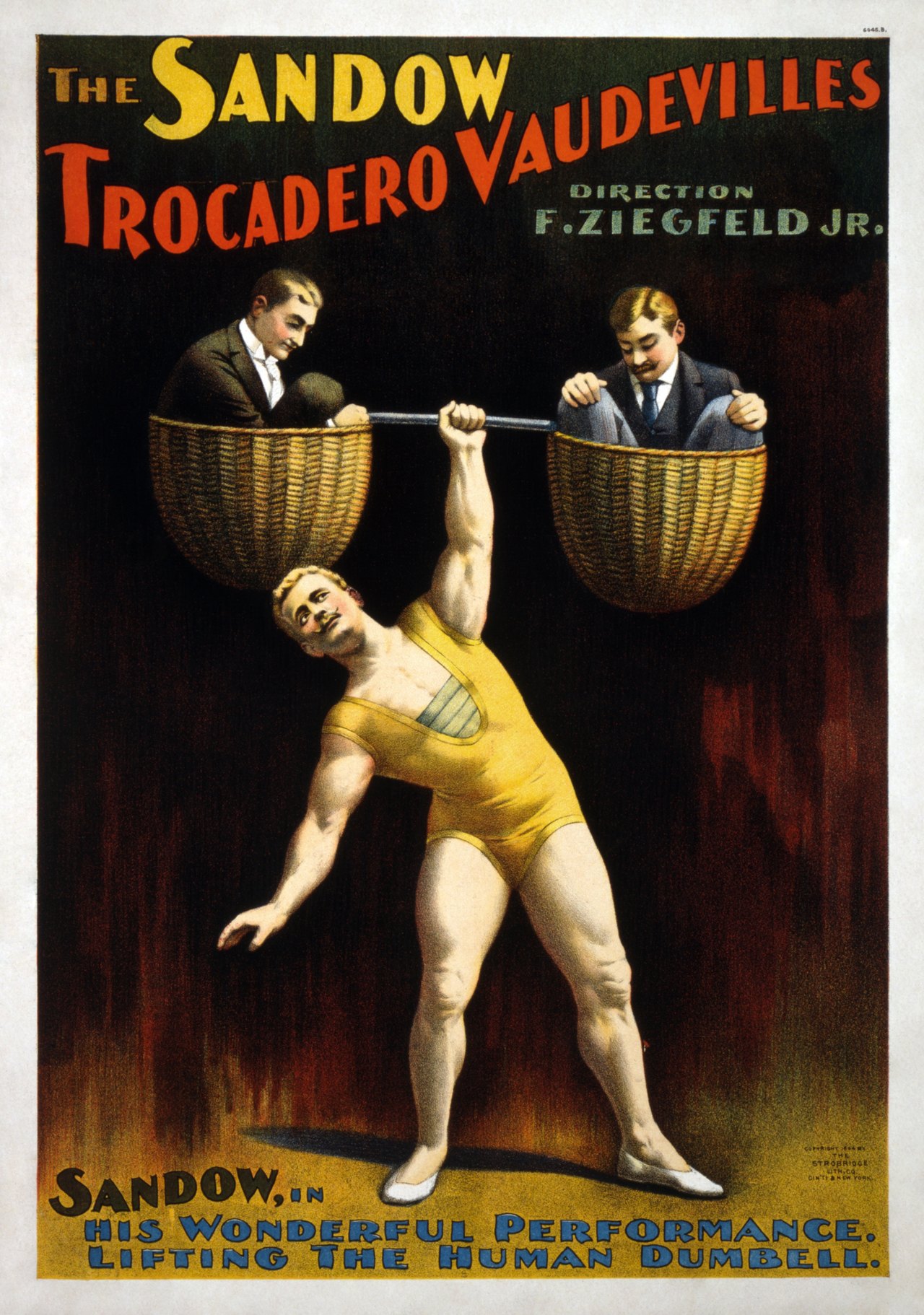
The circus comes to town, and Tommy and Annika can hardly believe their luck when Pippi buys three tickets — gold coin in hand, unsure what a circus even is. She soon finds out. When the graceful horseback rider circles the ring, Pippi leaps up to try it herself, standing on the galloping horse and stealing the show. She scrambles up to the tightrope and dances across it while the audience roars and the ringmaster fumes. Finally the circus plays its trump card: Mighty Adolf, the strongest man in the world, with prize money for anyone who can defeat him. Pippi lifts him high and carries him around the ring — then, bored with winning, waves away the money and falls asleep in her seat before the show is even over.
| Section | What you will practice |
|---|---|
| Vocabulary | Words of the big top: admission, audience, ringmaster, tightrope, applause, defeat… |
| Literary Elements | Slapstick comedy, suspense, and character foils |
| Cross-Curricular | How traveling circuses toured small towns, and what circus skills really take |
| Ch. | What happens |
|---|---|
| 7a | Three Tickets — Pippi pays with gold and asks loudly what a circus actually is. |
| 7b | The Horse & the Rope — Pippi outrides the bareback rider and dances across the tightrope. |
| 7c | Mighty Adolf — the strongman offers prize money; Pippi carries him around the ring. |
| 7d | The Nap — prize refused, show still running, Pippi falls happily asleep in her seat. |
ⓘ The vocabulary words in this list are selected to help you understand and complete this workbook. Some may not appear verbatim in the original novel.
- Pippi dances across the tightrope.
- Pippi refuses the prize and falls asleep in her seat.
- Pippi jumps up to ride the circling horse.
- Mighty Adolf challenges anyone to defeat him.
- Pippi buys three tickets with a gold coin.
Think back over the evening. A girl who has never seen a circus pays in gold, then joins every act uninvited: she rides standing, dances the high rope, and carries the world’s strongest man around the ring like a shopping basket. Offered the prize, she shrugs; offered fame, she yawns. The crowd got the best show of the year, the ringmaster got a headache, and Pippi got a pleasant nap.
Before television, the traveling circus brought the world to the small town. A circus troupe — the whole company of performers and crew — moved from town to town by wagon and railway, carrying its theater with it: a vast canvas tent called the big top. Posters went up days ahead; on arrival morning the troupe paraded down the main street with horses and drums, so that by evening every child in town had begged for a ticket to sit in the audience. Inside the ring, each act sold a different kind of wonder. The acrobat offered the body's daring — leaps, flips, and the high wire. The animal trainer offered obedience where none seemed possible; the strongman offered raw power, often with a standing challenge: prize money to anyone in the crowd who could beat him. Few ever tried, and fewer still won — which is exactly why a town remembered for years the night somebody did.
This writing task is optional and is not part of your auto-graded score. The feedback below checks only the basics — length, spelling, and grammar — not whether your ideas are right or wrong. It is meant for classroom discussion and creative practice, so feel free to use your imagination!
Writing Task — Part 5 “My One-Night Circus Act”
If you could join the circus for one night, what would your act be? Describe it from the moment the ringmaster calls your name: what you do, what could go wrong, and how the audience reacts. Write at least 40 words.
No right or wrong — close the screen and tell someone nearby what happened in this part. Can’t find anyone? Tell yourself out loud. The moment you teach it, you truly understand it.

Part 5 Complete!
You finished Chapter 7 of Pippi Longstocking.
Here are your auto-graded results:
The best last step is to teach it. In your own words, explain what happened — retell a favorite scene, teach a character’s big choice, or sum up the main idea for a parent, friend, or classmate. When you can teach it clearly, you truly own it.
Independent study guide by Garden Heights. Not affiliated with or endorsed by Astrid Lindgren. Contains original analysis only; no text from the novel is reproduced. Reference text: This workbook follows Astrid Lindgren’s classic text (the standard Puffin edition sold worldwide). Revised 2023 UK editions change some wording and may not match the vocabulary studied here.