
Part 8
Josef's sacrifice, Isabel's clave, and Mahmoud's welcome in Berlin knot the three stories into one.
Josef's choice1940: France has fallen, and the family that left the St. Louis for safety has run for months. German soldiers surround them near Vornay, and an officer plays a cruel game: Mama may keep one child from the camps — but must choose. She cannot, so Josef, asking all novel when a boy becomes a man, steps forward and chooses. Ruthie is carried to safety; the narration states what history knows: Josef and his mother did not survive the war.
Wet feet, dry feetAs the boat finally closes on Miami's glow, Mami gives birth to a baby boy in the crowded hull. The Coast Guard bears down, and Lito gives himself to the sea, diving in to draw the searchlight so the others can row for the beach. Isabel's family wades ashore with dry feet — under American rules, they may stay; Lito, caught on the water, is sent back to Cuba, and the baby is named Mariano, after him.
Hearing the claveWith help from her uncle Guillermo, Lito's brother, the family finds a home, work, and a first day of school, plus a gift: a trumpet replacing the one traded for fuel. Still keeping Iván's baseball cap and her grief close, Isabel auditions by playing the United States anthem her own way, in salsa time, and as her heel taps she finally hears the clave, the heartbeat rhythm of Cuba. She has not lost her island; she is carrying it.
Ruthie's doorLeaving Hungary, Mahmoud's family reaches Germany and asks for asylum; an elderly Berlin couple takes them in. Over dinner the old woman tells her story: a ship to Cuba, a brother who stepped forward so she went free. She is Ruthie — Josef's choice, rippling seventy-five years on — and Mahmoud, long invisible, is finally seen. Hana is missing still — the book admits it — but three stories were one all along, ending as they began: a door, and someone opening it.
| Section | What you will practice |
|---|---|
| Vocabulary | Endings and beginnings: occupied, sacrifice, asylum, heritage, survivor… |
| Literary Elements | Resolution as three storylines close into one, symbols that carry the lost forward, and dramatic irony in a Berlin apartment |
| Cross-Curricular | What happened after — the real fates of the St. Louis passengers, the 1994 balseros, and the million people Germany took in |
| Ch. | What happens |
|---|---|
| Chapter 49 | Josef — Vornay, France, 1940 — German soldiers catch the refugees who fled the fallen coast. An officer forces Josef’s mother into an impossible choice: one child may go free. When she cannot speak, Josef steps forward and chooses for her. Ruthie is taken to safety; Josef stays at his mother’s side, and the story tells us, quietly, that they did not survive the war. |
| Chapter 50 | Isabel — Coast of Florida, 1994 — Within sight of Miami’s lights, Mami gives birth in the crowded boat. As the Coast Guard closes in, Lito dives into the sea to draw the searchlight, and the others row for the beach and wade ashore — dry feet, allowed to stay. Lito, caught on the water, is sent back to Cuba; the new baby is named Mariano, after him. |
| Chapter 51 | Mahmoud — Hungary to Germany, 2015 — Free of the Hungarian detention center, Mahmoud’s family travels north at last, crossing into Germany and asking for asylum. The walking, the boats, and the border fences are behind them; what waits ahead is a new country, a new language, and a host family they have never met. |
| Chapter 52 | Isabel — Miami, Florida, 1994 — With help from her uncle Guillermo, the family finds its feet in Miami. Her uncle gives Isabel a trumpet to replace the one she traded for the boat’s fuel, and at her school audition she plays the United States anthem in salsa time. As she plays, her heel begins to tap, and for the first time in her life she hears and counts the clave — Cuba, carried in the beat. |
| Chapter 53 | Mahmoud — Berlin, Germany, 2015 — Over dinner, the elderly woman shares her story: a ship called the St. Louis, and a brother who gave himself up so she could go free. She is Ruthie. Josef’s choice in 1940 becomes the open door of 2015, and Mahmoud — who tried so long to be invisible — is finally seen. The three stories close into one. |
ⓘ The vocabulary words in this list are selected to help you understand and complete this workbook. Some may not appear verbatim in the original novel.
- Isabel’s family wades ashore onto the sand of Miami.
- Soldiers surround the refugees near Vornay, France.
- Isabel plays for her class and finally counts the clave.
- Josef steps forward so that Ruthie can go free.
- The elderly woman in Berlin reveals that she is Ruthie.
Three doors. In a French village in 1940, a door is kicked open in the middle of the night, and a mother stands in the lamplight with a soldier’s question hanging in the air — a question no mother should ever be asked. In Miami in 1994, a screen door bangs behind a girl carrying a trumpet she did not expect to own, on her way to play for a room full of strangers in a country she has known for only a few weeks. And in Berlin in 2015, an apartment door swings wide, and an elderly woman looks at a tired Syrian boy on her doorstep the way you look at something you have been waiting seventy-five years to see. All book long, the three stories have taken turns, brushing against one another in echoes and glimpses without ever coming to rest in the same room. Part 8 is where the braid closes. One of these doors costs everything. One opens onto a new life. And one, impossibly, turns out to have been opened in 1940 and held open ever since.
In May 1939, an ocean liner left Hamburg, Germany, carrying more than 900 Jewish refugees — and Cuba, the United States, and Canada all refused to let them land. Four European countries finally divided the returning passengers among themselves, and for a moment that looked like rescue. Within a year, German armies had occupied most of the continent, and the promised safety disappeared with the borders. Researchers who later traced every passenger found that 254 of them were killed in the Holocaust, while those sent to Britain — protected by the sea — almost all survived.
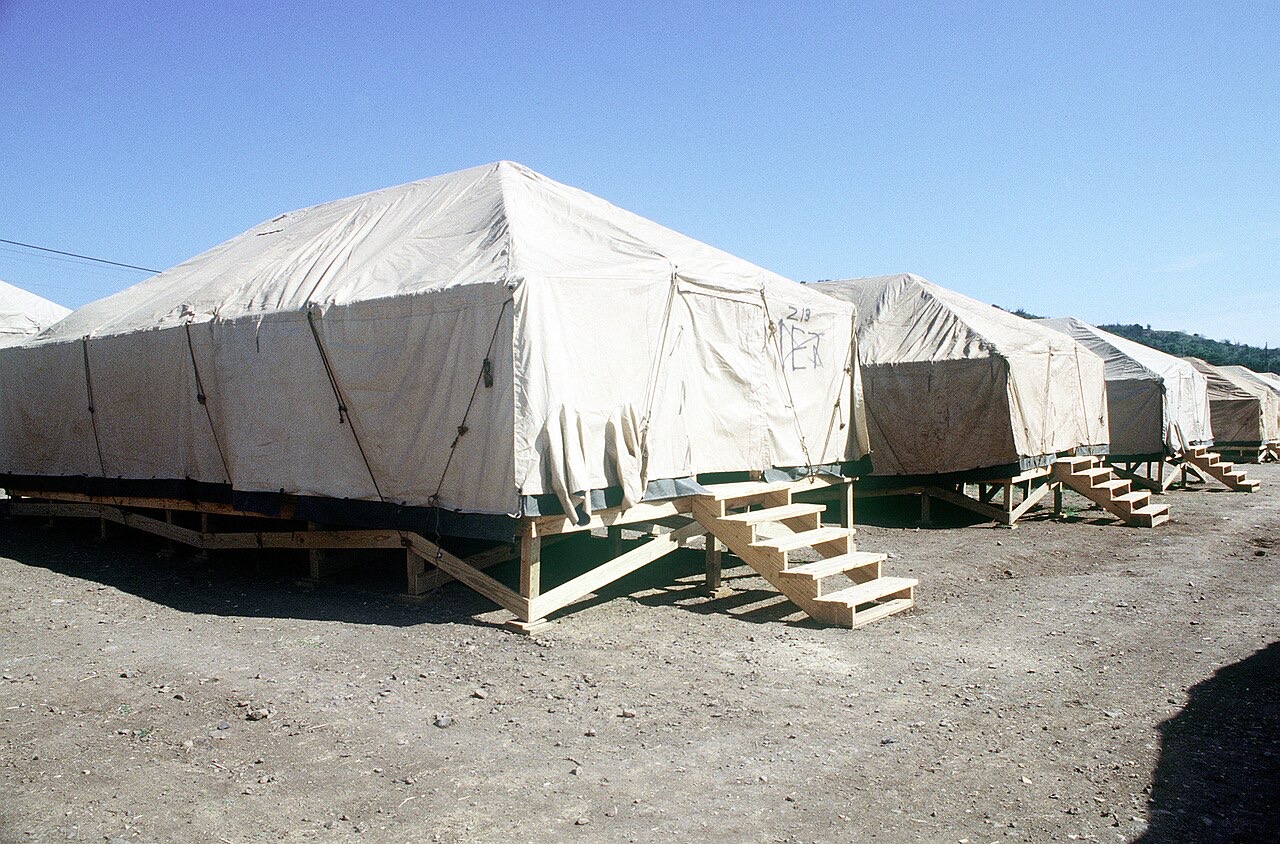
Fifty-five years later, in the summer of 1994, about 35,000 Cubans pushed off the island in a frantic scramble, on rafts and patched-together boats. The Coast Guard picked most of them up at sea, and instead of Florida they were interned at the Guantánamo Bay naval base — held in tent camps while two governments argued. Within a year nearly all had been admitted to the United States, and a rule took shape that lasted two decades: a rafter who touched American soil could stay, while one caught on the water was sent back.
In 2015, Germany answered the same old question differently, taking in roughly one million people fleeing wars in Syria and beyond. Ordinary Germans met arriving trains with food, toys, and hand-lettered signs of welcome; some families opened their homes to strangers. Alan Gratz (author) braided these three eras into a single novel because their after-stories teach one lesson: a refugee's journey does not end at the border. What happens next depends on whether a door opens — into asylum, a school, a language, a life. The three journeys are separated by decades, but they knock at the same door.
“Some trails ended at a single line in a camp record; others led to living survivors in America and Europe.”
This writing task is optional and is not part of your auto-graded score. The feedback below checks only the basics — length, spelling, and grammar — not whether your ideas are right or wrong. It is meant for classroom discussion and creative practice, so feel free to use your imagination!
Writing Task — Part 8 “The Kindness You Could Pass On”
Ruthie can never repay Josef, so she pays his kindness forward — seventy-five years later, to a family he never knew. Write about a kindness someone showed you when you were new, lost, or scared, and how you could hand that same help to someone else. Describe what happened, how it changed things for you, and exactly how you would pass it on. 6–10 sentences. End with one concrete thing you could do this month.
No right or wrong — tell someone nearby what happened in this part. Can’t find anyone? Tell yourself out loud. The moment you teach it, you truly understand it.

Part 8 Complete — You Finished the Book! 🎉
You finished Chapters 49–53 — the final part of Refugee.
Here are your auto-graded results:
Independent study guide by Garden Heights. Not affiliated with or endorsed by Alan Gratz. Contains original analysis only; no text from the novel is reproduced. Reference text: This workbook follows Alan Gratz’s classic text (the standard Puffin edition sold worldwide). Revised 2023 UK editions change some wording and may not match the vocabulary studied here.