
The Twits cover
Garden Heights Academy

The Twits

This workbook is for Garden Heights members. Sign in to continue.

Sign in with Google →
New here? Just sign up with Google — your account includes Matilda, our gift book, forever.
📚

Garden Heights Academy

Enter your access code to open this workbook.

The Twits · Garden Heights Academy

Part 4

for The Twits · Part 4 · Chapters 11–13
a story by Roald Dahl
30 min5 Parts
This workbook is built on a solid pedagogical foundation, effectively integrating content and language learning based on the CLIL framework (Content and Language Integrated Learning), elevated by our unique 5th C β€” Connection β€” and an integrated Standardized Test section that weaves every SAT & TOEFL question type right into the novel, so learners build real test skills easily, naturally, and with fun.
What Happens in Part 4

To finish his “stretching,” Mr. Twit ties a great bunch of balloons to Mrs. Twit, hoping to send her floating away for good. Up she soars into the sky — but Mrs. Twit is far too cunning to be beaten so easily, and she cleverly gets herself back down to the ground, furious and ready for revenge. The story then turns to the Twits’ garden, where a family of pet monkeys, the Muggle-Wumps, are kept locked in a cage. Cruel Mr. Twit forces the poor monkeys to do everything upside down for hours each day, dreaming of training them for a “great upside-down monkey circus.” The monkeys are miserable, and long more than anything to be free.

What We Will Learn
Literary ElementWhat It Means
SettingWhere and when a story takes place
ImageryWords that paint a picture for the senses, so we can see and feel the story
ThemeThe big idea or lesson that a story explores
Chapter Summary
ChapterTitle & Key Events
Ch.11Mrs. Twit Goes Ballooning Up — Mr. Twit ties a great bunch of balloons to Mrs. Twit and she soars high into the sky
Ch.12Down to Earth — clever Mrs. Twit gets herself safely back to the ground, furious and ready to pay Mr. Twit back
Ch.13The Monkey Cage — we meet the Muggle-Wump monkeys, locked in a cage and forced to stand on their heads all day
💭 Before You Read · Warm-Up (not scored)

There are no wrong answers here — just think, guess, and talk:

  • Is it ever right to keep a wild animal in a cage? Where would you draw the line?
  • A ‘great upside-down monkey circus’ is coming. What could that possibly look like — and how would the monkeys feel about it?
  • Predict: Mrs. Twit floats away on a bunch of balloons. Is that the end of her? What could bring her back down?
Copyright Notice

Independent study guide by Garden Heights Academy. Not affiliated with or endorsed by Roald Dahl or the Roald Dahl Story Company. No text from the novel is reproduced. Students should read the original book. Reference text: This workbook follows Roald Dahl’s classic text (the standard Puffin edition sold worldwide). Revised 2023 UK editions change some wording and may not match the vocabulary studied here.
Part 1
Vocabulary
Study 10 key words from Chapters 8–10, then answer each question.
🧠Knowledge Bank · What Makes a Balloon Rise
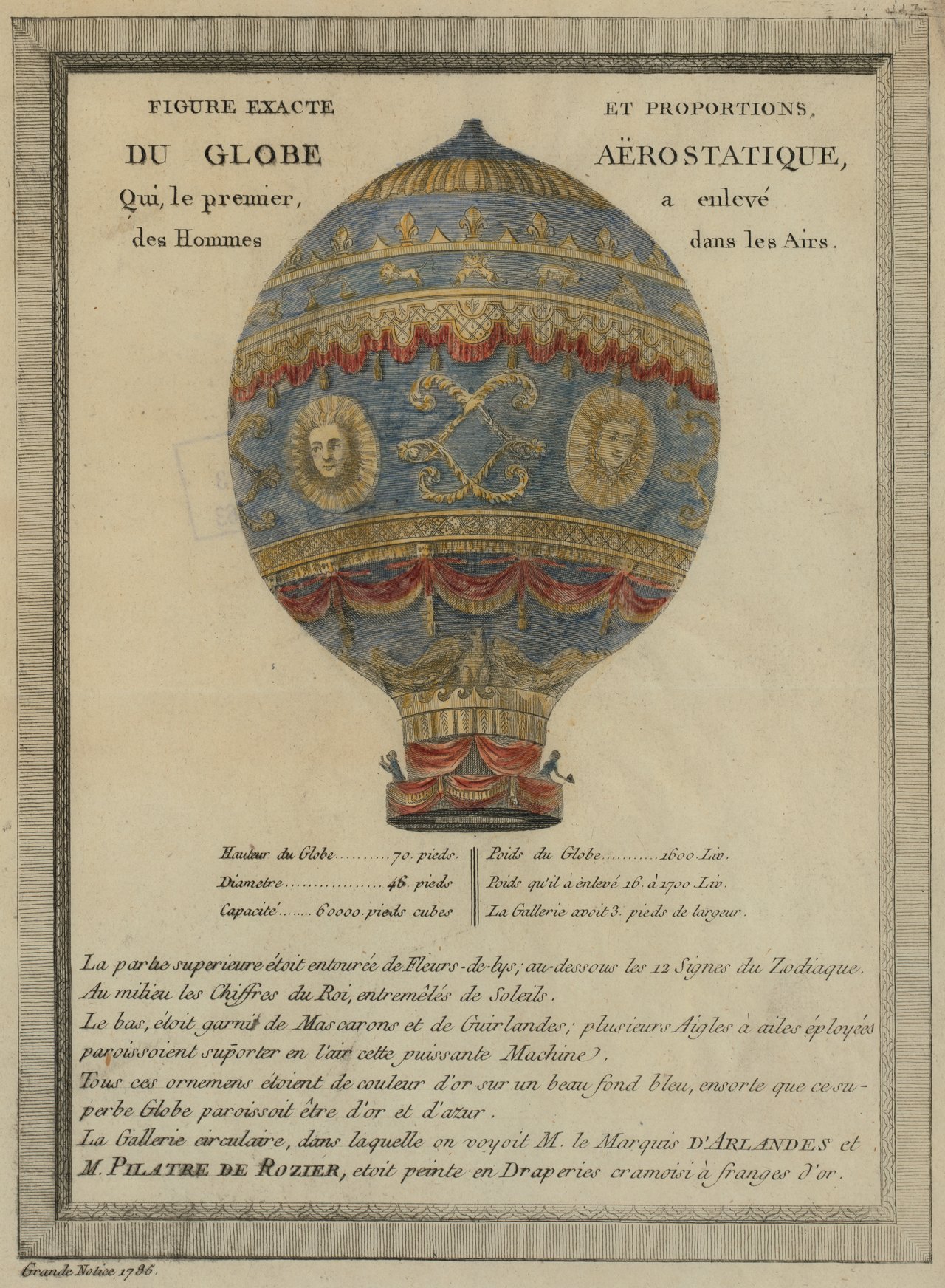
Science · Gases & BalloonsTo ‘cure’ the shrinks, Mr. Twit ties his wife to lots of balloons and a heavy weight, then pretends to stretch her tall again. Balloons can really lift things when they are filled with helium, a gas that is lighter than the air around it. Because the gas is so light, the balloon floats upward and can carry a small load with it. Hot air rises in the same way, which is how giant hot-air balloons lift real people into the sky. People have truly flown this way since 1783, when the first hot-air flights rose over France. Mrs. Twit floating up is silly, but the science of a rising gas is very real.

ⓘ Vocabulary words are selected to help you understand and complete this workbook. Some may not appear verbatim in the novel.

soarv.Ch.11
To fly or rise high into the air
“The balloons made Mrs. Twit soar high above the rooftops.”
driftv.Ch.11
To float along slowly and gently
“She began to drift slowly across the sky like a fat cloud.”
danglev.Ch.11
To hang loosely and swing about
“Her boots dangled in the air far above the garden.”
furiousadj.Ch.12
Extremely angry
“Mrs. Twit was furious when she finally got back to the ground.”
vowv.Ch.12
To make a serious promise
“She made a vow to pay her husband back twice as hard.”
cagen.Ch.13
A box made of bars for keeping an animal
“The monkeys were shut inside a small wire cage.”
captiven.Ch.13
A person or animal kept as a prisoner
“The Muggle-Wumps had been captives of the Twits for far too long.”
miseryn.Ch.13
Great unhappiness or suffering
“Standing on their heads filled the monkeys with misery.”
wearyadj.Ch.13
Very tired
“By evening the weary monkeys could hardly keep their balance.”
gazev.Ch.13
To look steadily at something for a long time
“The monkeys would gaze up at the free birds and sigh.”
1Fill in each blank with the correct word.Ch.11–10
Word choices:soardescendtriumphcruelty- some words will not be used
The balloons make Mrs. Twit up into the sky,
until she bites them to again.
2A moment of “triumph” is a moment of —Ch.11–10
3“Misery” means —Ch.11–10
4To “outwit” someone is to beat them by being cleverer than they are.Ch.11–10
5“Cruelty” is —Ch.11–10
6Fill in each blank with the correct word.Ch.11–10
Word choices:captiveyearndanglefurious- some words will not be used
The monkeys are in the cage
and to be free again.
7To “dangle” is to —Ch.11–10
8A “captive” is someone who is completely free to come and go.Ch.11–10
9Someone “furious” is —Ch.11–10
10To “yearn” for something is to want it very deeply.Ch.11–10
Part 2
Comprehension
How well do you understand Chapters 8–10?
🧠Knowledge Bank · Noticing How Characters Feel
Reading Skill · Inferring FeelingsAuthors do not always tell you how a character feels. Instead they give clues, and you must infer — work it out for yourself. When Mrs. Twit shrieks and shakes, Dahl never writes the word ‘terrified,’ yet you know she is scared. Look at what a character says, does, and how their body moves. Then add the clues together like a detective. A face, a voice, and a choice tell you more than any label. Asking ‘How would I feel here?’ helps too. Reading feelings that hide between the lines is a powerful skill, because people in real life rarely name every emotion.
1How does Mr. Twit hold Mrs. Twit down before adding the balloons?Ch.11–10
2Mr. Twit ties gas-filled balloons to Mrs. Twit’s arms to ‘stretch’ her.Ch.11–10
3Why does Mr. Twit cut the rope holding Mrs. Twit’s ankles?Ch.11–10
4Mrs. Twit’s warning to secure her ankles is what gives Mr. Twit the idea to cut the rope.Ch.11–10
5Put these events in the correct order. Write 1–5 (1 = first).Ch.11–10
  • Mrs. Twit warns him to secure her ankles so she won’t float away.
  • She lands right on top of Mr. Twit and beats him with her walking stick.
  • Mr. Twit ties Mrs. Twit’s ankles to an iron ring and ties gas balloons to her arms.
  • High in the air, she bites the balloons off one at a time and sinks back down.
  • Grinning, Mr. Twit cuts the rope instead — and Mrs. Twit shoots up into the sky.
6How does Mrs. Twit get back down to earth?Ch.11–10
7What does Mrs. Twit do the very moment she lands?Ch.11–10
8Mrs. Twit floats away forever and never comes back.Ch.11–10
9What animals do the Twits keep locked in a cage?Ch.11–10
10What does Mr. Twit force the caged monkeys to do?Ch.11–10
Part 3
Literary Elements
Understanding HOW and WHY Dahl writes Chapters 8–10 the way he does.
🧠Knowledge Bank · Word Pictures & Setting
Literary Craft · ImageryGood writers help you see a scene in your head by using strong word pictures. This is called imagery. Dahl describes the Twits’ house with no windows and a garden full of prickles and thorns, so we picture a mean, unhappy place. The setting is not just a background; it matches the people who live there. A gloomy, ugly home shows us their gloomy, ugly hearts. As you read, notice the details an author paints and ask what bigger idea they hint at. A well-drawn setting can quietly reveal a character’s nature.
📚 Literary Devices in This Part · definitions & examples
Setting is where and when a story takes place. Much of Part 4 happens in the Twits’ gloomy garden, with its big dead tree and the monkey cage — and, for a while, high up in the open sky.
Imagery is descriptive language that paints a picture for our senses. When Dahl shows Mrs. Twit soaring and drifting across the sky, or the weary monkeys gazing up at the free birds, we can picture it clearly in our minds.
Theme is the big idea or lesson behind a story. One important theme in The Twits is that being cruel to others — even to animals — is wrong, and that cruelty often comes back around in the end.
The questions below are mixed — not grouped by device. Decide which device each one is about.
1Mr. Twit’s plan to be rid of Mrs. Twit backfires when she returns and beats him. This is —Ch.11–10
2Situational irony is when the opposite of what is expected happens.Ch.11–10
3Fill in each blank with the correct word.Ch.11–10
Word choices:ironyjusticesettingrhyme- some words will not be used
Mr. Twit’s trick backfiring is situational ,
and Mrs. Twit’s revenge feels like poetic .
4The caged monkeys’ longing to escape mainly hints at —Ch.11–10
5Poetic justice is when a wrongdoer escapes every consequence of their actions.Ch.11–10
6Fill in each blank with the correct word.Ch.11–10
Word choices:foreshadowingconflicttonesimile- some words will not be used
The monkeys’ misery is quiet of a coming
between them and the Twits.
7We learn that Mrs. Twit is tough and vengeful mainly when she —Ch.11–10
8Introducing the caged, miserable monkeys mainly sets up —Ch.11–10
9Fill in each blank with the correct word.Ch.11–10
Word choices:motivecharacterizationclimaxplot- some words will not be used
Mrs. Twit’s is revenge,
and her fierce landing is vivid .
10Mrs. Twit landing on the cruel trickster feels like —Ch.11–10
Part 4
Think Deeper
Four deeper challenges — no single-word recall. Read, weigh the evidence, and reason it through.
🧠Knowledge Bank · Cruel to Each Other, Cruel to All
Ethics · CrueltyBy now we see that the Twits are not only cruel to each other. They are cruel to animals too, keeping the monkeys locked in a bare cage. Real monkeys are clever, social animals that live in family groups and love to climb, leap, and swing. Cruelty rarely stops at one person; a mean heart spreads its meanness everywhere it goes. People who hurt those closest to them often hurt the weak and helpless as well. That is why the caged monkeys and trapped birds make us feel so sad. Dahl wants us to notice that real nastiness has no edges — it wounds everyone the Twits touch.
1Claim: “The Twits cruelly mistreat the caged monkeys.” — choose the two details that best prove it.Claim & Evidence
2The monkeys’ suffering, or hope arriving? Tap each item to send it left or right.Sort into two
◄ The monkeys’ sufferingHope arriving ►
3Match each cause to its result. For each cause, pick its result.Cause & Effect
Mr. Twit wants an upside-down circus
The monkeys are caged and abused
The Roly-Poly Bird flies in
The bird and monkeys meet
4Fill both blanks to complete the reasoning.Build the Argument
The monkeys are forced to stand on their heads because , which shows that .
Part 5
Standardized Test
Inference & Author’s Purpose — SAT & TOEFL-style practice
🎯 You already have the skills from the sections above — this is just a fun way to meet real SAT & TOEFL-style questions. Read the passage (the highlighted words are tested below), then answer the questions below. Tap an answer to select it, then tap it again to confirm — you can change your choice until you confirm.

The first passengers ever to fly in a balloon were not people at all — they were a sheep, a duck, and a rooster. In 1783, the Montgolfier brothers of France launched their new hot-air balloon before the king, because nobody yet knew whether flying might harm a living creature. The three animals rode for eight minutes and landed unharmed, which convinced the king that people could safely follow. Only weeks later, two brave volunteers rose over Paris in a balloon of paper and cloth while thousands watched in astonished silence. A hot-air balloon rises for a simple reason: hot air is lighter than the cool air around it, so heating the air inside the huge bag makes the whole craft float upward. Balloons cannot really be steered, though; they must drift wherever the wind chooses to carry them. More than two centuries later, people still ride balloons — not to travel quickly, but for the slow, silent wonder of floating with the wind.

Original passage written for Garden Heights — not a quotation from the novel.
1The balloon was “launched,” meaning it was —SAT · Words in Context
2The first passengers ever to fly in a balloon were —TOEFL · Factual Information
3An “astonished” crowd is one that is —SAT · Words in Context
4Who launched the famous 1783 balloon?TOEFL · Factual Information
5An early balloon can only “drift” with the wind — to drift is to —SAT · Words in Context
6Why can a hot-air balloon rise?TOEFL · Factual Information
7We can infer that early balloonists could not —SAT · Inference
8The main idea of the passage is that —SAT · Central Ideas
9Insert Text (TOEFL). Look at the four squares [1][4] in the passage excerpt below. They show where the following sentence could be added:
“Encouraged by this success, they soon dared to send up human passengers as well.”
The Montgolfier brothers wondered whether such a craft could carry a living passenger. [1] To find out safely, they chose three animals instead of a person: a sheep, a duck, and a rooster. [2] Before a huge, astonished crowd, the balloon was launched high into the sky. [3] A few minutes later it drifted gently back to the ground, and the animals climbed out completely unharmed. [4]
Where would the sentence fit best?
TOEFL · Insert Text
10This passage about drifting balloons connects to Mrs. Twit because she too —TOEFL · Rhetorical Purpose
Part 6 · Optional
Creative Writing
A bonus challenge to practice your English.
About This Section

This writing task is optional and not part of your auto-graded score. Feedback checks length, spelling, and grammar only.

Writing Task — Part 4 “Inside the Cage”

Imagine you are one of the Muggle-Wump monkeys. Describe how it feels to be locked in the cage and forced to stand upside down all day. Write at least 40 words.

You can start with: “From inside our cold little cage, I gazed up at the free birds in the sky and wished…”
0 / 40 words minimum
πŸ—£ Teach It Β· Just for Fun (optional)

No right or wrong β€” close the screen and tell someone nearby what happened in this part. Can’t find anyone? Tell yourself out loud. The moment you teach it, you truly understand it.

🏆

Part 4 Complete!

You finished Chapters 11–13 of The Twits.

Here are your auto-graded results:

-
points out of 100
Move on to Part 5 →⌂ Back to Twits Home 🏠 Library