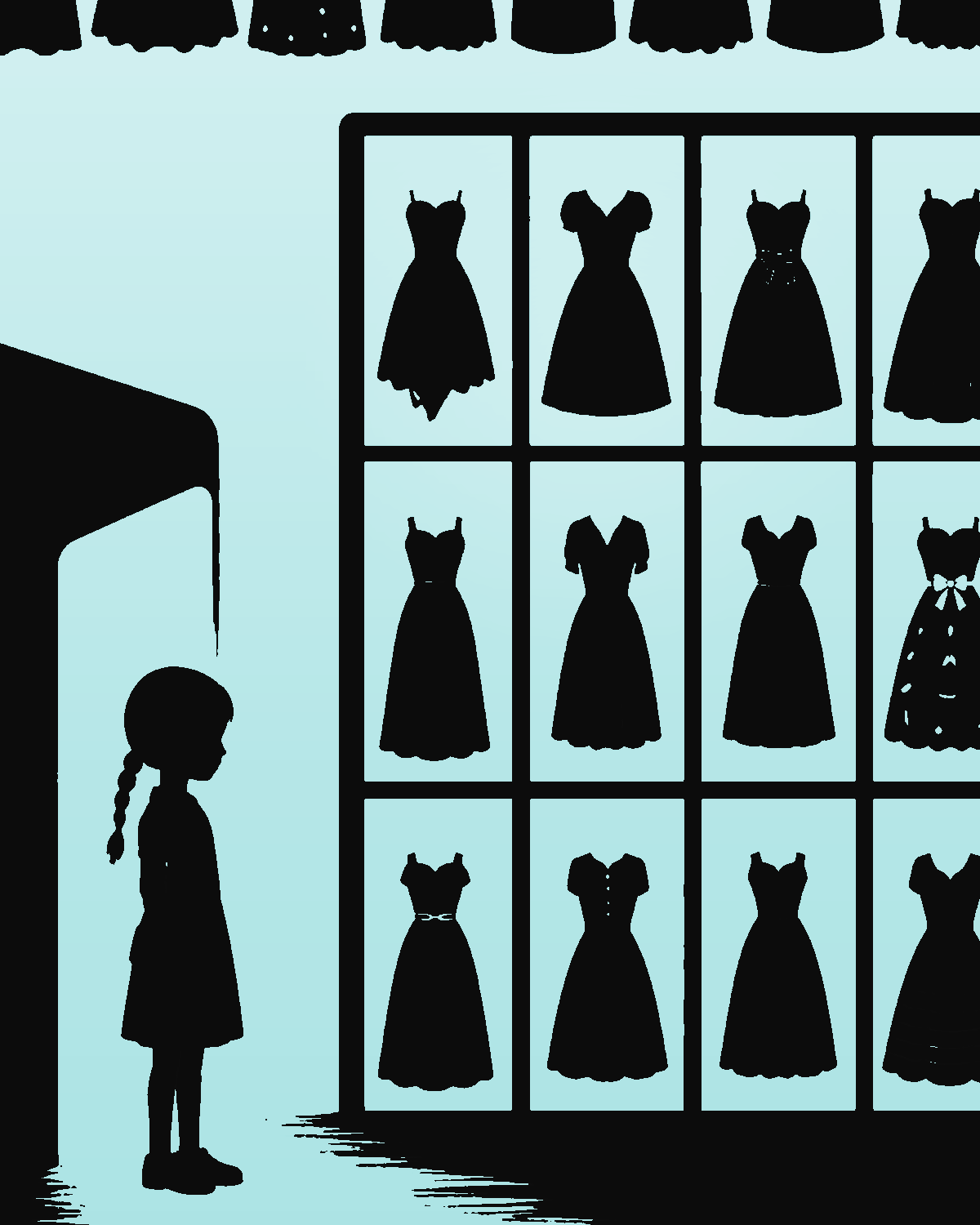
It is a bright Monday morning in November, and Room 13 is missing someone. Wanda Petronski is not in her seat — the seat in the far corner, over by the rough, muddy-shoe boys, where the quiet children who are never quite noticed are put. For a while, nobody even sees that she is gone. Wanda is a poor girl with a hard-to-say Polish name who lives far off on lonely Boggins Heights, and she wears the very same faded blue dress to school every single day — always clean, but always a little crooked and too big. She has no close friends and says almost nothing. In this gentle, ordinary-looking opening, Eleanor Estes quietly sets her stage: an empty desk, a girl who is easy to overlook, and a classroom that does not yet realize how much it will come to matter that Wanda Petronski was ever there at all.
| Focus | What It Means |
|---|---|
| Characterization | How an author shows what Wanda is like — mostly through what others notice |
| Setting | Room 13, the town, and lonely Boggins Heights where Wanda lives |
| Point of View | We see Wanda from the outside, through her classmates’ eyes, not her own |
| Chapter | Key Events |
|---|---|
| Ch. 1 — Wanda | On a Monday in November, the class slowly notices that Wanda Petronski’s corner seat is empty. We learn she is a quiet, poor girl with a Polish name who lives up on lonely Boggins Heights and wears the same faded blue dress every day. The stage is quietly set for the story to come. |
There are no wrong answers here — just think, guess, and talk:
- Is there a seat in your own classroom that people barely notice? Who sits there, and why do you think that is?
- Wanda wears the same clean dress every day. What might that quietly tell you about her family, even though no one says it aloud?
- Predict: the book is called The Hundred Dresses, yet Wanda seems to own only one faded blue dress. What do you think the title might mean?
This is an independent study guide created by Garden Heights Academy to support reading comprehension and literary analysis. It contains original analysis questions and does not reproduce any text from the novel. The Hundred Dresses is a work by Eleanor Estes. This guide is not affiliated with, authorized by, or endorsed by the author or any associated rights holder.
- We picture what she wears every day.
- We learn she has a hard-to-say Polish name.
- We sense she is a girl easy to overlook.
- We hear she lives far off on Boggins Heights.
- The class slowly notices her seat is empty.
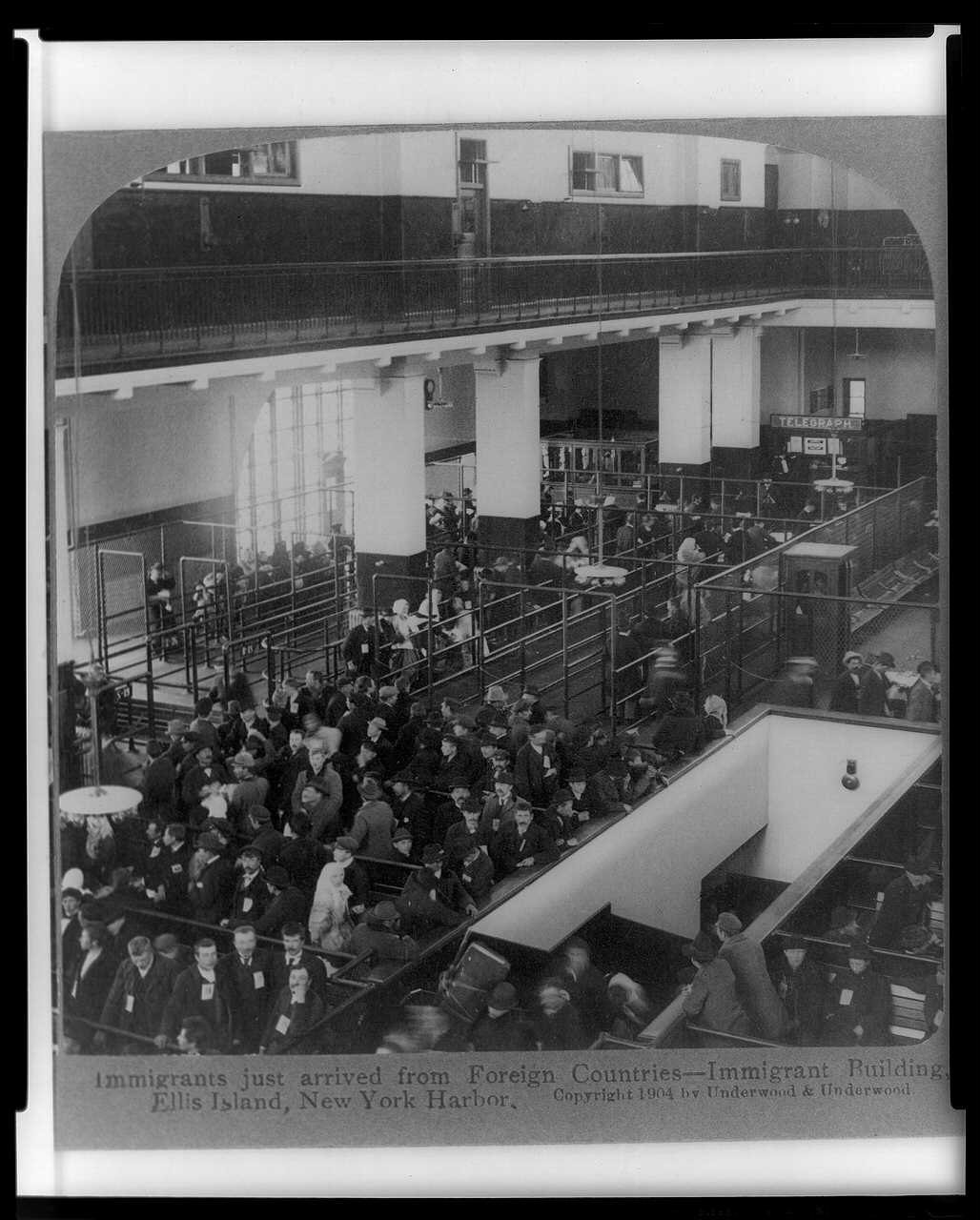
More than a hundred years ago, millions of immigrant families left their homes in Europe and sailed to America, hoping for a better life. Many first arrived at Ellis Island, a busy gateway in New York Harbor, where officials wrote down each newcomer's name. Names from places like Poland were often long and unfamiliar to American ears, and they were sometimes shortened, misspelled, or simply hard for others to say. A family named Petronski, for example, might find that neighbors and classmates stumbled over their name. For a child, a different name could signal that they did not quite belong, and a few unkind classmates might mock it. Yet these names carried whole histories, of grandparents, villages, and long journeys across the sea. To learn to say a new friend's name correctly is a small but real act of respect. It tells that person that they are seen, and that they belong.
This writing task is optional and is not part of your auto-graded score. The feedback below checks only the basics — length, spelling, and grammar — not whether your ideas are right or wrong. It is meant for classroom discussion and creative practice, so feel free to use your imagination!
Writing Task — Part 1 “The One Nobody Notices”
Wanda sits alone in the corner, and at first no one even notices she is gone. Write about a time you felt new or left out — or imagine you are Wanda on a school morning. How does it feel to be the one nobody notices? What is one small, kind thing a classmate could do to help? Write at least 40 words.
No right or wrong — close the screen and tell someone nearby who Wanda Petronski is and why her corner seat was empty. Can’t find anyone? Tell yourself out loud. The moment you teach it, you truly understand it.


Part 1 Complete!
You finished Chapter 1 of The Hundred Dresses.
Here are your auto-graded results:
The best last step is to teach it. In your own words, explain what happened — retell a favorite scene, teach a character’s big choice, or sum up the main idea for a parent, friend, or classmate. When you can teach it clearly, you truly own it.
Independent study guide by Garden Heights Academy. Not affiliated with or endorsed by the author or any rights holders. Contains original analysis only; no text from the novel is reproduced.