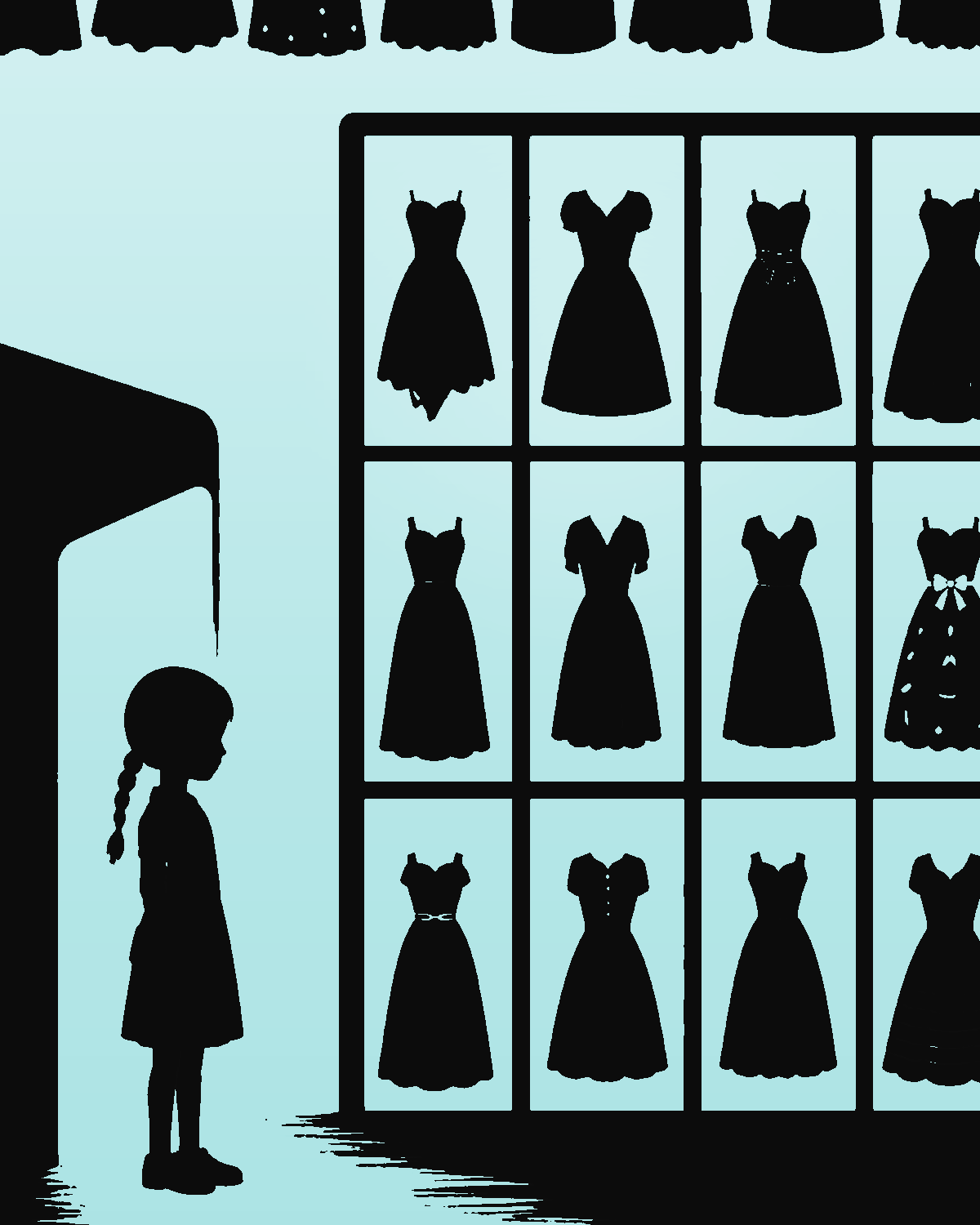
On a bright, sunny blue morning, the girls gather around Wanda on the way to school and play the dresses game harder than ever. Led by Peggy, they ask again how many dresses she has, and Wanda answers that all one hundred are different colors, with sixty pairs of shoes to match. The girls giggle and press for more, more, more. Wanda stands stiff and straight, answering each question politely, her face still as stone. It is a beautiful day — but there is nothing beautiful in the game. Maddie, standing right at Peggy’s side, feels the fun curdle inside her. For the first time, she begins to see plainly that this is not a game at all. It is cruelty, and she is part of it.
| Focus | What It Means |
|---|---|
| Conflict | A struggle in a story — here, the war inside Maddie’s own heart |
| Mood | The feeling a scene gives the reader — bright day, ugly game |
| Symbolism | When one thing stands for a bigger idea — the faded blue dress |
| Chapter | Key Events |
|---|---|
| Ch. 3 — A Bright Blue Day | On a beautiful sunny morning, the girls play the dresses game at its cruelest. Wanda politely insists her hundred dresses are all different colors, with sixty pairs of shoes. She hides her hurt behind a still face, while Maddie, watching, feels for the first time that the ‘game’ is truly cruel — and that she is part of it. |
There are no wrong answers here — just think, guess, and talk:
- Why do you think people are sometimes braver about teasing in a group than when they are alone?
- Wanda answers politely and keeps her face still. Why might someone hide their feelings when they are hurt?
- Predict: Maddie is starting to feel the game is wrong. Do you think she will speak up? Why or why not?
This is an independent study guide created by Garden Heights Academy to support reading comprehension and literary analysis. It contains original analysis questions and does not reproduce any text from the novel. The Hundred Dresses is a work by Eleanor Estes. This guide is not affiliated with, authorized by, or endorsed by the author or any associated rights holder.
- The girls crowd around Wanda and start the game.
- The crowd giggles and presses her for more.
- Maddie sees, at last, that the game is cruel.
- Wanda calmly names her dresses and sixty pairs of shoes.
- The morning dawns bright, sunny, and blue.
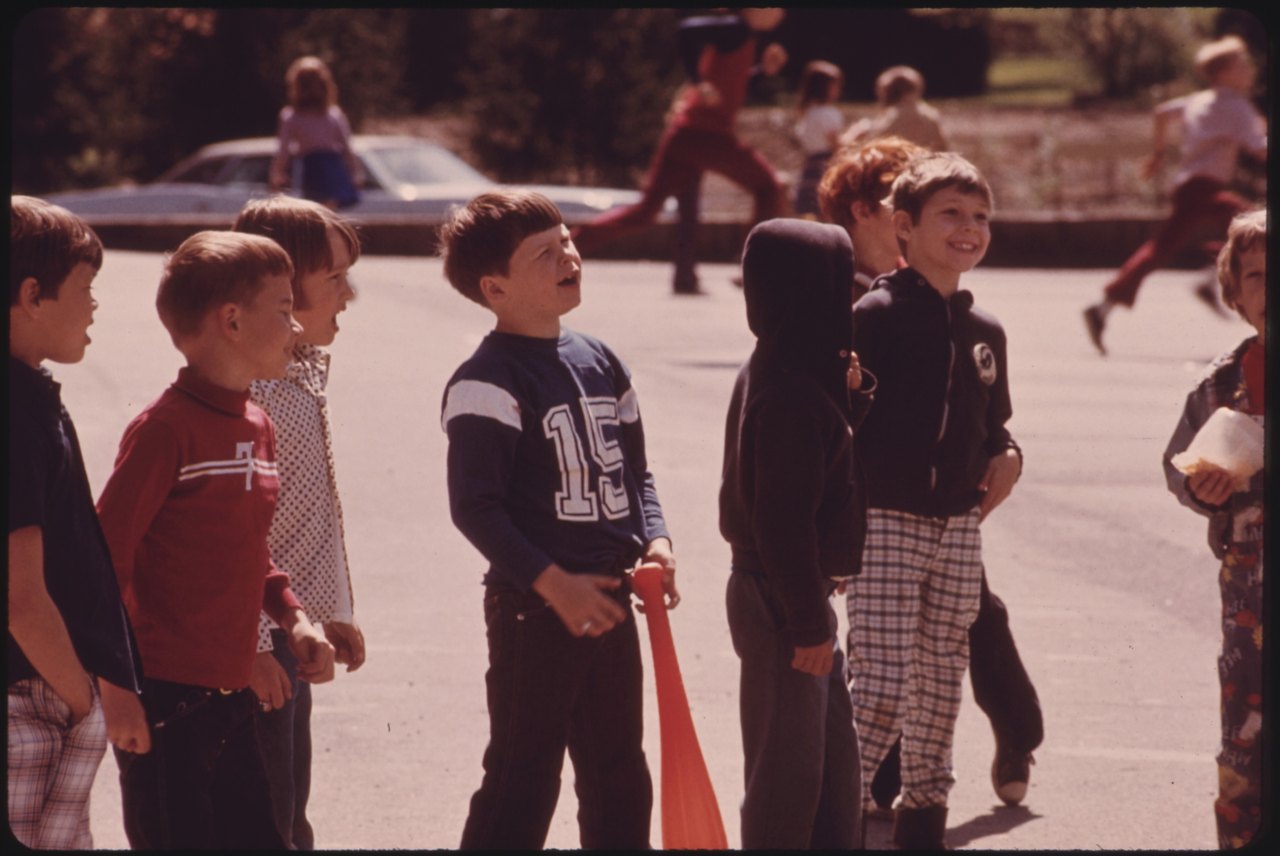
Have you ever noticed that people can be crueler in a group than they would ever be alone? There is a reason for it. When many children laugh together at one person, the laughter acts like a reward, and the teasing grows a little bolder each time. In a crowd, no single person feels fully to blame, because the blame seems spread thin among them all. A quiet onlooker who says nothing is called a bystander, and bystanders often tell themselves that the teasing is not really their fault. But silence has a cost: it lets the cruelty go on. The one being teased may stand stiff and polite, hiding the hurt, and the crowd wrongly reads that calm as proof that nothing is wrong. The bravest thing a bystander can do is to feel responsible anyway, and to speak.
This writing task is optional and is not part of your auto-graded score. The feedback below checks only the basics — length, spelling, and grammar — not whether your ideas are right or wrong. It is meant for classroom discussion and creative practice, so feel free to use your imagination!
Writing Task — Part 3 “What Maddie Should Say”
Maddie stands beside Peggy, watching the game turn cruel, and says nothing. Imagine you are Maddie on that bright morning. Write what you are thinking — and what you wish you were brave enough to say out loud to Peggy or to the crowd. Write at least 40 words.
No right or wrong — close the screen and tell someone nearby why teasing gets worse in a crowd, and what a bystander can do about it. Can’t find anyone? Tell yourself out loud. The moment you teach it, you truly understand it.


Part 3 Complete!
You finished Chapter 3 of The Hundred Dresses.
Here are your auto-graded results:
The best last step is to teach it. In your own words, explain what happened — retell a favorite scene, teach a character’s big choice, or sum up the main idea for a parent, friend, or classmate. When you can teach it clearly, you truly own it.
Independent study guide by Garden Heights Academy. Not affiliated with or endorsed by the author or any rights holders. Contains original analysis only; no text from the novel is reproduced.