New here? Just sign up with Google — your account includes Matilda, our gift book, forever.
The Westing Game · Garden Heights
Part 7
for The Westing Game · Part 7 · Chapters 25–27
8 Parts40 min
What Happens in Part 7
The game seems over, but a wake, a trial, and Turtle's final deduction lead to Julian R. Eastman.
The WakeAfter Sandy collapses and Crow is taken away, the heirs hold a wake in Judge Ford's apartment, where Theo reveals his unseen chess opponent was Sandy, and the judge recognizes the queen's sacrifice, Sam Westing's signature move.
Living-Room TrialTurtle convinces Judge Ford to preside over a living-room trial, where Otis Amber admits he's a licensed private investigator with three clients — Westing, Barney Northrup, and the judge herself — and Chris testifies about the limping man he saw on Halloween. The hearing reaches no verdict; the coroner's heart-attack finding clears Crow completely.
Fourth of JulyThe final documents give every heir an equal share of Sunset Towers, give Crow alone thirty thousand dollars, and wish everyone a happy Fourth of July; fireworks ignite the Westing house that night. Next morning Turtle alone matches Northrup, McSouthers, and Westing to north, south, and west, deduces a fourth man facing east, and bicycles to Sunrise Lane, where Julian R. Eastman, chairman of Westing Paper Products, expects her.
What We Will Learn
Section
What you will practice
Vocabulary
Courtroom and company words: testimony, verdict, alias, corporation, successor…
Literary Elements
Denouement, wordplay in a title, and fireworks as a symbol
Cross-Curricular
What a corporation is: legal persons, brands versus owners, and planning succession
Chapter Summary
Ch.
What happens
25
Westing’s Wake — fourteen heirs crowd into Judge Ford’s living room after Sandy’s death and Crow’s arrest. Turtle defends her friend’s memory, Theo reveals that his unseen chess opponent in the game room was Sandy, and the judge recognizes the queen’s sacrifice — Sam Westing’s signature move — running through the whole game.
26
Turtle’s Trial — Judge Ford agrees to preside over a living-room courtroom while Turtle, acting as attorney, sets out to prove that Crow harmed no one. Chris describes the limping man he watched enter the Westing house on Halloween, and Otis Amber drops his delivery-boy act: he is a licensed private investigator whose three clients were Sam Westing, Barney Northrup, and Judge Ford herself.
27
A Happy Fourth — the coroner’s finding of a heart attack clears Crow, and the final documents leave every heir an equal share of Sunset Towers while giving Crow alone thirty thousand dollars. Fireworks burn the mansion that night. The next morning Turtle matches the aliases to compass points, deduces a fourth man facing east, and bicycles to Sunrise Lane, where Julian R. Eastman, chairman of Westing Paper Products, is expecting her.
Part 1
Vocabulary
Study 10 key words from Chapters 25–27, then answer each question.
📚Knowledge Bank · Words That Wear Suits
Business · Language of Companies and CourtsLaw and business share a habit: they give ordinary-sounding words razor-sharp meanings, and the plot of a mystery can turn on the difference. An alias is not a nickname; it is an assumed name adopted so that records kept under one identity cannot be traced to another. Testimony is not gossip; it is a statement a witness offers on the record, where it can be challenged, checked, and compared with other accounts. A verdict is the formal decision that may follow a real trial. Turtle’s living-room hearing borrows courtroom roles and methods, but it never reaches a verdict; Crow is cleared later by the coroner’s finding. Business words carry the same precision. A corporation is a company the law treats as its own person, so its name can stay steady while the humans behind it change theirs. When this part’s characters argue about who died, who lied, and who inherits, every argument leans on one of these terms — and the last word in the chain, the person who takes over when a founder finally steps aside, is the successor.
waken.Ch.25
A gathering held to honor and remember someone who has died
“The wake turned into a night of trading clues instead of memories.”
testimonyn.Ch.26
A formal statement a witness gives as evidence
“Each heir’s testimony added one more piece to the timeline.”
verdictn.Ch.26
The decision reached after the evidence has been weighed
“A judge or jury may announce a verdict after a formal trial.”
aliasn.Ch.27
A false or assumed name used to hide an identity
“Each alias opened a door that the real name could not.”
impersonatev.Ch.25–27
To pretend to be another person
“It takes discipline to impersonate a doorman for years without slipping.”
coronern.Ch.27
An official who determines the cause of a death
“The coroner’s report said heart attack, not poison.”
deducev.Ch.27
To reach a conclusion by reasoning from clues
“From three compass names she could deduce the fourth.”
corporationn.Ch.27
A company the law treats as its own legal person
“The corporation kept making paper no matter what its founder called himself.”
successorn.Ch.27
The person who takes over a position after another leaves it
“A careful chairman grooms a successor long before retiring.”
shrewdadj.Ch.25–27
Sharp and clever in practical matters
“Only a shrewd player notices the move designed to be missed.”
ⓘ The vocabulary words in this list are selected to help you understand and complete this workbook. Some may not appear verbatim in the original novel.
💡Knowledge Bank question
1According to the Knowledge Bank, what separates an alias from an ordinary nickname?Ch.26
2To reach a conclusion by reasoning from clues is to ___.Ch.27
3An ‘alias’ is a person’s one true legal name.Ch.27
4An official who determines the cause of a death is a ___.Ch.27
5Fill in each blank with the correct word.Ch.25–26
Word choices:wakeverdictaliasshrewd- some words will not be used
The heirs hold a quiet in Judge Ford’s living room.
A formal trial may end with a after the evidence is weighed.
6To pretend to be another person is to ___ them.Ch.25–27
7‘Shrewd’ describes someone sharp and clever in practical matters.Ch.25–27
8A ‘successor’ is the person who held a position first.Ch.27
9Fill in the blanks with the correct words.Ch.27
Word choices:corporationcoronersuccessordeduce- some words will not be used
The law treats a as a person that can own property.
A board plans for a long before a leader steps down.
10A company that the law treats as its own legal person is a ___.Ch.27
Part 2
Comprehension
Show you understood what happens in Chapters 25–27.
⚖Knowledge Bank · Who Must Prove What
Civics · Burden of ProofA courtroom does not ask both sides to work equally hard. The accuser carries the burden of proof: whoever claims that a crime happened must prove it, and the accused person is not required to prove anything at all. Behind that rule stands the presumption of innocence — a defendant enters the room legally innocent and remains so until the evidence itself forces a different conclusion. Direct evidence reports something a witness personally perceived; circumstantial evidence supports an inference from surrounding facts. Courts do not automatically rank one type above the other — reliability, consistency, and corroboration matter more than the label. Chapter 26 borrows this machinery: a real judge presides, witnesses answer one at a time, and Turtle builds a timeline instead of merely insisting that Crow is innocent. The hearing reaches no verdict. The coroner’s heart-attack finding arrives afterward in Chapter 27 and supplies the decisive fact supporting Crow’s innocence.
Visual AidWho must prove what
Structure diagram of the asymmetry the Knowledge Bank on the burden of proof explains: only the accuser’s side carries an arrow up to the standard, because the accused enters legally innocent and owes no proof at all. Simplified on purpose — civil cases use a lower bar, and real trials add judges, juries, and rules of evidence the drawing leaves out. It depicts no real courtroom and no scene from the novel: Turtle’s living-room hearing borrows this machinery without ever reaching a verdict, and the deciding fact about Crow arrives afterward, from the coroner.
Burden of proof and presumption of innocence as described in standard introductions to criminal procedure. Drawn for Garden Heights Academy.
💡Knowledge Bank question
1According to the Knowledge Bank, how do courts weigh direct evidence against circumstantial evidence?Ch.25
2What does Theo reveal about the chess games in the game room?Ch.25
3What does Judge Ford recognize in the final game Theo describes?Ch.25
4At the wake, Turtle admits that she kicked Denton Deere in the shin.Ch.25
5Write the numbers 1–5 in the boxes to show the correct order of events in Chapters 25–27. Number 1 = what happens first.Ch.25–27
The next morning, Turtle rides her bike to the house on Sunrise Lane.
Theo reveals that his unseen chess opponent was Sandy.
The heirs gather for a wake in Judge Ford’s apartment.
Otis Amber names the three clients who hired him.
Turtle opens her hearing with Judge Ford presiding.
6Otis Amber reveals that he is really a licensed private investigator.Ch.26
7What does Chris testify that he saw on Halloween night?Ch.26
8According to the final documents, what do the heirs receive?Ch.27
9The coroner concludes that Sandy McSouthers was poisoned by his flask.Ch.27
10What happens when Turtle reaches the house on Sunrise Lane?Ch.27
Part 3
Literary Elements
Understanding HOW and WHY Ellen Raskin (author) tells the story across Chapters 25–27.
🎭Knowledge Bank · Paying Off a Long Trick
Literary Craft · Revelation and Fair PlayA satisfying mystery solution has two jobs: it should surprise the reader now and seem inevitable in retrospect. Raskin achieves that double effect through the long-delayed revelation. For twenty-four chapters the evidence sat in plain sight — a kicked shin, a doorman who played chess like a master, a game against an invisible opponent — disguised as jokes and background noise. That disguise is misdirection: the author controls not what you see but what you notice. When the unmasking finally comes, it arrives in pieces, each handed to a different character, so that no single detective hogs the glory. The wake supplies the suspicion, the trial supplies the logic, and a bicycle ride supplies the confirmation. The result is a denouement that readers can check against their own memory of the book, page by page — the puzzle equivalent of showing your work.
Denouement
After the climax of the answer night, three chapters untie every knot the game tied.
Wordplay
A happy FOURTH: one title holds the holiday and the missing fourth identity.
Dramatic irony
The heirs toast a man they believe is dead; the next morning one girl pedals east to shake his hand.
💡Knowledge Bank question
1The Knowledge Bank explains that Raskin (author) builds misdirection by controlling ___.Ch.25–27
2Fill in the blanks with the correct literary terms.Ch.25–27
Word choices:denouementironyflashbackwordplay- some words will not be used
The untangling after the climax is called the .
The title “A Happy Fourth” works through .
3Letting readers follow Turtle east while the heirs believe Westing is dead creates ___.Ch.27
4Raskin plays fair: the clues to Sandy’s identity were planted long before the wake.Ch.25
5The mock trial in Chapter 26 mainly lets Raskin ___.Ch.26
6The burning of the Westing house destroys evidence the heirs still needed.Ch.27
7The Fourth of July fireworks over the mansion work best as a symbol of ___.Ch.27
8Fill in the blanks with the correct literary terms.Ch.25–27
Word choices:symbolmotifmetaphorfoil- some words will not be used
The four-winds pattern of names is a recurring .
The fireworks over the mansion act as a of farewell.
9These chapters are told strictly through Turtle’s eyes alone.Ch.25–27
10The title “A Happy Fourth” is clever because it names ___.Ch.27
Part 4
Think Deeper
Four deeper challenges — no single-word recall. Read, weigh the evidence, and reason it out.
🏢Knowledge Bank · The Name on the Building
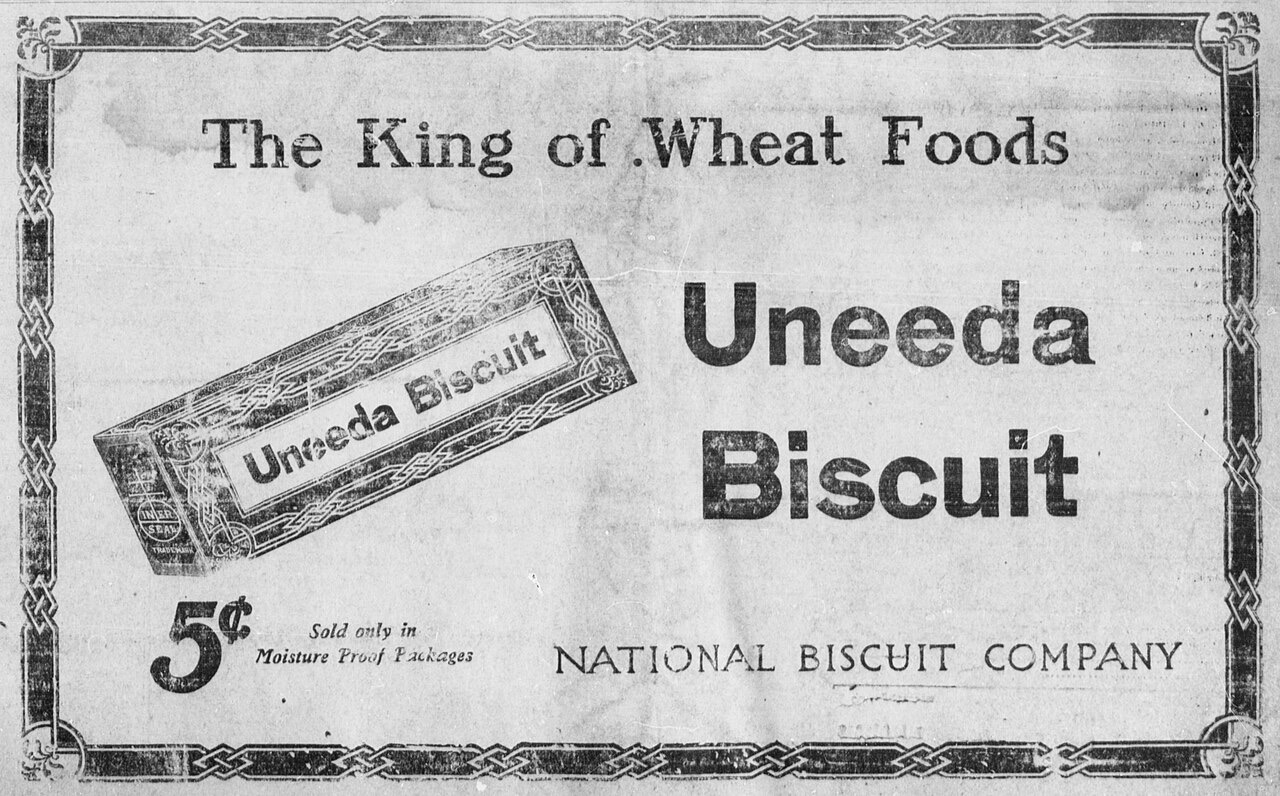
Economics · Brands and OwnersWalk down any grocery aisle and you meet dozens of names, yet almost none of them name a living person. The face on the syrup bottle, the grandmother on the cookie box, the friendly farmer on the milk carton — many are invented characters, designed by committees and owned outright by companies. That owned name is a brand, and the law protects it through a registered trademark, which stops rivals from borrowing the look and lettering that customers trust. The arrangement cuts both ways. A company can keep selling a beloved character for a century after its creator dies, and a founder can hide comfortably behind a label nobody connects to him. Consumers, meanwhile, pour loyalty into the name on the package — its colors, its promises, its reputation — while knowing nothing about the humans collecting the profit. A careful shopper learns to ask the question this novel keeps asking: behind this cheerful public face, who is the actual owner.
Visual AidA brand with no person behind it
Newspaper advertisement from the 1910s for Uneeda Biscuit — a name invented by the National Biscuit Company in 1898 and defended in court so fiercely against imitators that it became an early landmark of trademark law. The Knowledge Bank on brands and owners is printed right onto this page: the word that sells the cracker belongs to a corporation, not to any living person, and the company outlasted every founder who stood behind it. The coarse grain comes from newspaper printing, not damage. The ad claims no link to Westing Paper Products, which is Ellen Raskin (author)’s invention — but notice how naturally your eye trusts a made-up word.
Uneeda Biscuit newspaper advertisement, National Biscuit Company, 1910s. Source: Wikimedia Commons, File:Uneeda Biscuit Advertisement (newspaper, 1915).jpeg, public domain.
Think back over these chapters. A living room full of mourners who are also suspects, paper cups and low voices, a chessboard nobody can stop glancing at. Then the same room rearranged into a courtroom: a borrowed gavel, a judge who agrees to preside, a thirteen-year-old pacing like an attorney while a delivery boy calmly takes off twenty years of pretending. The hearing reaches no verdict; a later coroner’s finding clears Crow. Papers are read; the building itself becomes the inheritance, and fireworks burn the mansion that night. The next morning one girl says nothing, checks a pattern of compass points twice, and pedals her bicycle toward a house on Sunrise Lane where a limping man is already expecting her.
Original passage written for Garden Heights — not a quotation from the novel.
1Claim: “Turtle wins the Westing game because she treats names as evidence, not decoration.” — choose the two details that best prove it.Claim & Evidence
2Proof a court could accept, or Performance meant to be believed? Tap each detail to sort it — tap again to switch sides. You can keep tapping to change your answer.Sort into two
◄ Proof a court could acceptPerformance meant to be believed ►
3Match each cause to its result. For each cause, pick its result.Cause & Effect
Theo names Sandy as his unseen chess opponent→
Turtle asks Judge Ford to preside over a hearing→
Otis Amber names his three paying clients→
Turtle matches three aliases to compass points→
💡Knowledge Bank question
4Fill both blanks to complete the reasoning.Build the Argument
The Knowledge Bank argues that a careful shopper should ask who owns a brand because , which shows that .
Part 5
Standardized Test
Reading passage · One Founder, Many Faces · Corporations & Words in Context · SAT & TOEFL-style practice
Read the passage — the highlighted words are tested — then answer. Tap an answer, then tap it again to confirm.
SATCentral Ideas — the passage's main point
SATWords in Context — a word's meaning in this passage
SATInference — a conclusion the passage implies
TOEFLFactual Information — a fact stated in the passage
TOEFLVocabulary — a tested word's meaning here
Corporations Outlive Their Founders
When a business becomes a corporation, the law begins to treat it as a separate entity — a legal person distinct from the human beings who own or run it. A corporation can hold property, sign contracts, borrow money, and be sued, all in its own name. If a founder retires, sells out, or dies, the corporation itself does not die with him; lawyers call this perpetual existence. That separation is the quiet machinery behind most large companies in the United States.
Shoppers, meanwhile, rarely meet the owners at all. What they know is the brand — the name, logo, and reputation printed on the package — and a brand is simply an asset the corporation owns, like a factory or a truck. The person on the label may be an invented character, and the founder's real name may appear nowhere the public can see it. A founder who wants privacy may even do business under an alias, a false name that keeps his true identity out of the records people read. One shrewd businessman can therefore stand behind several public faces at once, each legally tied to the same company.
Because the company outlives its people, boards of directors plan the orderly handover of power from one leader to the next. A strong plan names the chairman's successor years in advance, so that customers and workers barely feel the change when the new leader takes over. Mystery readers meet an exaggerated version of this planning when a fictional paper tycoon designs an elaborate game to test possible heirs. Real boards use interviews and performance reviews instead of riddles, but the goal is the same: the founder is temporary, and the company is built to go on.
Original passage written for Garden Heights — not a quotation from the novel.
1What is the passage mainly about?SAT · Central Ideas
2According to the passage, what happens to a corporation when its founder dies?TOEFL · Factual Information
3In the passage, alias most nearly means ___.SAT · Words in Context
4The passage suggests that most shoppers ___.SAT · Inference
5According to the passage, a brand is ___.TOEFL · Factual Information
6In the passage, asset means ___.TOEFL · Vocabulary
7The passage says a founder’s real name ___.TOEFL · Factual Information
8Why does the passage mention a fictional paper tycoon?SAT · Inference
9In the passage, successor most nearly means ___.SAT · Words in Context
10The passage ends with “the company is built to go on” mainly to ___.SAT · Central Ideas
Part 6 · Optional
Creative Writing
A bonus challenge to practice your English. Take your time and have fun with it.
About This Section
This writing task is optional and is not part of your auto-graded score. The feedback below checks only the basics — length, spelling, and grammar — not whether your ideas are right or wrong. It is meant for classroom discussion and creative practice, so feel free to use your imagination!
Writing Task — Part 7 “The Faces You Wear”
Sam Westing lived these chapters as four different people, and only a thirteen-year-old noticed the pattern. Think about the different versions of yourself you present — at school, at home, online, with strangers. Are they masks, or are they all honestly you? 6–10 sentences. End by naming one thing that stays the same in every version.
You can start with: “The version of me that most people meet first is...”
0 / 40 words minimum
🗣 Teach It · Just for Fun (optional)
No right or wrong — tell someone nearby what happened in this part. Can’t find anyone? Tell yourself out loud. The moment you teach it, you truly understand it.
Part 7 Complete!
You finished Chapters 25–27 of The Westing Game.
Here are your auto-graded results:
-
points out of 100
Teach it to someone
The best last step is to teach it. In your own words, explain what happened — retell a favorite scene, teach a character’s big choice, or sum up the main idea for a parent, friend, or classmate. When you can teach it clearly, you truly own it.
Independent study guide by Garden Heights. Not affiliated with or endorsed by Ellen Raskin. Contains original analysis only; no text from the novel is reproduced. Reference text: This workbook follows Ellen Raskin’s classic text (the standard Puffin edition sold worldwide). Revised 2023 UK editions change some wording and may not match the vocabulary studied here.
SAT® is a registered trademark of College Board, which is not affiliated with, and does not endorse, these materials. TOEFL® is a registered trademark of ETS. These materials are not endorsed or approved by ETS. Garden Heights is an independent provider of test-style reading practice.