New here? Just sign up with Google — your account includes Matilda, our gift book, forever.
Where the Red Fern Grows · Garden Heights
Part 8
for Where the Red Fern Grows · Part 8 · Chapters 19–20
8 Parts40 min
What Happens in Part 8
A mountain lion costs Billy both hounds, and a red fern rises between their graves.
The devil catOn a cold night hunt the hounds strike a trail Billy takes for a raccoon's, until their voices change and the treed animal stares down with burning yellow eyes. It is a mountain lion, the devil cat of the Ozarks, and instead of waiting it comes down to fight. When it turns on Billy, Old Dan throws his own body into its path again and again, taking the worst so the boy is never touched.
Both dogs lostSwinging his ax, wild with fear for his dogs, Billy brings the lion down with both hounds fighting beside him. Little Ann's cuts will heal, but Old Dan is torn too deeply; Mama cleans and stitches his wounds far into the night, and still he is gone before daylight. Billy buries him on the hillside. Then Little Ann leaves her food, wanders listless, drags herself to Dan's grave, and dies there.
Why they cameBilly lays her beside Dan and demands to know what kind of heaven takes both. His parents give the only answer they have: the family had prayed for years to move to town so the children could be educated, and the money the hounds won, the jackpot and the hides, is exactly what makes the move possible. Papa believes the dogs were sent, did their work, and were called home.
The red fernSpring comes, the wagon is loaded, and on the last morning Billy climbs the hill to say goodbye, and stops. Between the two graves has risen a giant, beautiful red fern. He remembers the old Native American legend: only an angel can plant its seed, and the ground where one grows is sacred. The whole family stands in wonder; Billy's bitterness lifts, and years later he is certain the fern still stands.
What We Will Learn
Section
What you will practice
Vocabulary
The fight and the farewell: predator, valiant, grief, sacred, legend…
Literary Elements
A symbol that gathers the whole book into one plant, a frame narrative that closes where it opened, and a resolution built from loss and gift in equal measure
Cross-Curricular
The real Wilson Rawls (author) — the Ozark boy who burned his manuscripts, rewrote this novel from memory in three weeks, and lived his own story of grief turned to gift
Chapter Summary
Ch.
What happens
Chapter 19 · The Devil Cat
The Fight — A night trail leads not to a raccoon but to a mountain lion, and the treed cat comes down to fight. Old Dan throws himself between the lion and Billy every time it turns on the boy, and with his ax and both hounds Billy finally brings it down — but Old Dan has taken wounds too deep to heal.
Chapter 19 · Old Dan
Before Daylight — Billy carries Old Dan home, and Mama cleans and stitches his wounds far into the night. It is not enough; the big hound dies before morning. Billy buries him on the hillside above the house and cannot understand why his prayers went unanswered.
Chapter 19 · Little Ann
A Heart Gives Up — Little Ann’s cuts heal, but her spirit does not. She refuses food, grows listless, and finally drags herself to Old Dan’s grave, where she dies of grief. Billy buries her beside Dan; Mama and Papa tell him the dogs’ winnings have answered the family’s oldest prayer — the move to town.
Chapter 20 · The Red Fern
Sacred Ground — On moving day Billy climbs the hill to say goodbye and finds a tall red fern risen between the two graves. He remembers the legend — only an angel can plant one — and his bitterness lifts. The grown narrator closes the book from years away, certain the fern still stands.
Part 1
Vocabulary
Study 10 key words from Chapters 19–20, then answer each question.
📚Knowledge Bank · Stories Older Than Books
Folklore · Legends & Sacred GroundTwo of this part’s words — legend and sacred — do the heaviest lifting in the whole ending. A legend is a story handed down by telling, from grandparent to child, long before anyone writes it down; nobody can prove it, and proof is not its job. Its job is to carry what a community believes about the world. The novel presents the red fern story as a Native American legend of the Ozark country — two lost children found in spring with a fern risen between them, and the teaching that only an angel can plant one — and it treats the story with respect, as belief rather than fact. Sacred means set apart and holy, and cultures everywhere mark sacred ground the same way: people lower their voices, tread carefully, and leave the place unplowed and undisturbed. Watch Billy’s family standing quiet on the hillside. A patch of Ozark dirt has become, through one story, hallowed ground — which is why Billy can finally say his goodbye.
predatorn.Ch.19
An animal that lives by hunting other animals
“The mountain lion was the most feared predator in those hills.”
berserkadj.Ch.19
Wildly out of control with fury
“Fear for his dogs drove Billy berserk during the fight.”
valiantadj.Ch.19
Showing great courage in the face of danger
“Old Dan made a valiant stand between Billy and the big cat.”
griefn.Ch.19
Deep sorrow, especially after a death
“Grief settled over the whole house after Old Dan died.”
listlessadj.Ch.19
Without energy, interest, or spirit
“Little Ann grew listless and would not touch her food.”
consolationn.Ch.19
Comfort offered to someone after a loss
“Mama’s quiet words were Billy’s only consolation.”
sacredadj.Ch.20
Holy; deserving the deepest respect
“The legend says a red fern marks sacred ground.”
legendn.Ch.20
An old story handed down that cannot be proved
“Billy remembered an old legend about the red fern.”
memorialn.Ch.20
Something that keeps the memory of a person or event alive
“The fern stood over the graves like a living memorial.”
yearningn.Ch.20
A deep, wishful longing for something
“The grown narrator feels a yearning to see those hills again.”
ⓘ The vocabulary words in this list are selected to help you understand and complete this workbook. Some may not appear verbatim in the original novel.
🧠Knowledge Bank question
1According to the Knowledge Bank, a legend is measured not by proof but by ___.Ch.19
2Someone who has gone ‘berserk’ is calm and careful.Ch.19
3A ‘valiant’ stand is one that shows great ___.Ch.19
4A ‘listless’ animal is one that ___.Ch.19
5Fill in each blank with the correct word.Ch.19
Word choices:consolationgriefsacredpredator- some words will not be used
Mama’s words were Billy’s only .
Deep settled over the house that morning.
6Something ‘sacred’ deserves the deepest respect.Ch.20
7A ‘legend’ is best described as ___.Ch.20
8A ‘memorial’ keeps the memory of someone alive.Ch.20
9Fill in each blank with the correct word.Ch.20
Word choices:yearningmemoriallistlessberserk- some words will not be used
He feels a to walk those hills once more.
The red fern stands as a living .
10‘Grief’ means ___.Ch.19
Part 2
Comprehension
Show you understood what happens in Chapters 19–20.
🐕Knowledge Bank · Can an Animal Die of Grief?
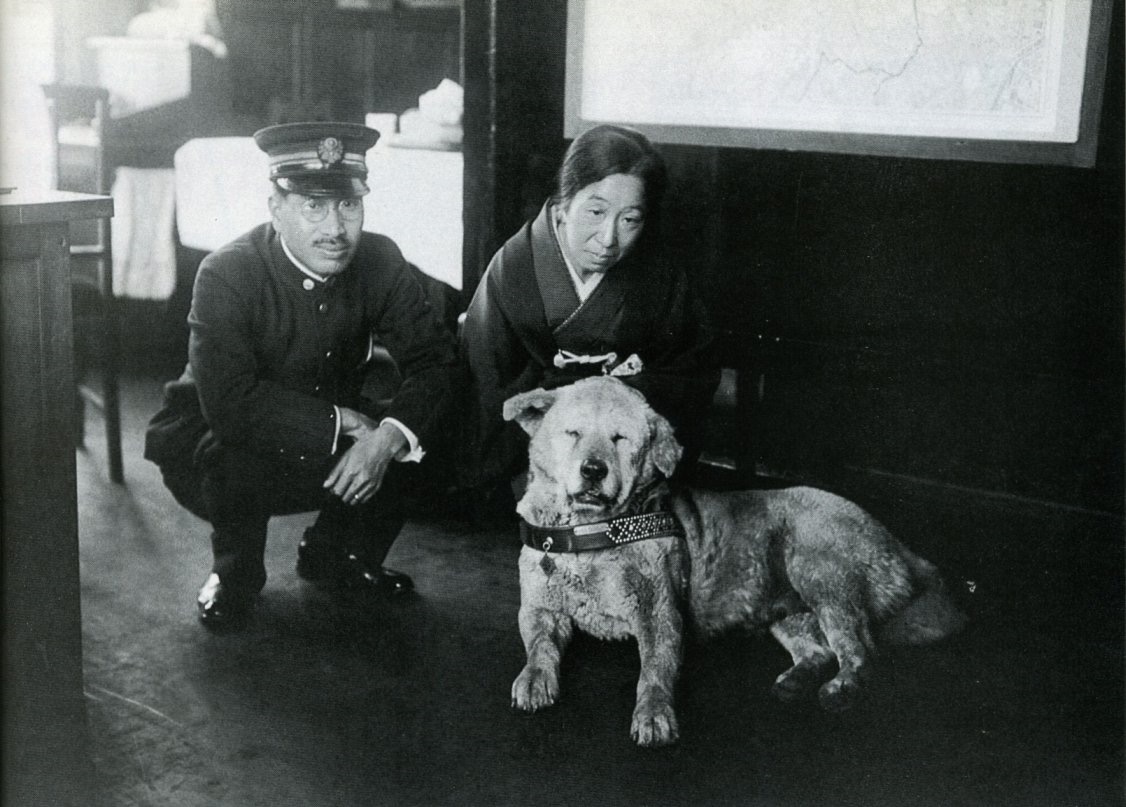
Animal Behavior · Mourning in AnimalsLittle Ann dying on Old Dan’s grave sounds like pure folklore, but science takes the question seriously. Ethology — the study of how animals behave — has recorded mourning-like conduct in many social species: elephants linger over the bones of their dead, and dogs who lose a longtime companion often stop eating, sleep badly, search the house, and grow listless for weeks. Veterinarians see it often enough to counsel owners about it. History keeps famous cases, too. In Japan, a dog named Hachiko returned to a Tokyo train station to wait for his dead owner nearly every day for about nine years; in Scotland, a terrier remembered as Greyfriars Bobby kept watch near his master’s grave for years, and the city fed and sheltered him. Scientists stay careful — no one can ask an animal what it feels — but the bond between working partners like two hounds is real, measurable in stress hormones and behavior. The novel simply gives that bond its oldest name: a broken heart.
Visual AidThe dog who kept coming back
Photograph taken inside Shibuya Station in Tokyo around 1933: Hachiko, old and heavy-coated, lying on the floor with the stationmaster crouched beside him. He is one of the two cases the Knowledge Bank cites — a dog who went on returning to the station where he had once met his owner, for years after the man’s death, and who was fed and looked after there. The picture is a record of the habit, not proof of what he felt; no one can ask an animal that, which is the caution the Knowledge Bank keeps. Notice only what the camera caught: an old dog at home in a railway station.
Hachiko at Shibuya Station, Tokyo, with the stationmaster, about 1933; photographer unknown. Source: Wikimedia Commons, File:Chuken Hachiko at Shibuya Station c1933.png, public domain.
🧠Knowledge Bank question
1The Knowledge Bank explains that scientists stay careful about animal grief because ___.Ch.19
2What does Old Dan do each time the lion turns on Billy?Ch.19
3Billy believes he is trailing a raccoon when the hunt begins.Ch.19
4What does Mama do for Old Dan after the fight?Ch.19
5Write the numbers 1–5 in the boxes to show the correct order of events. Number 1 = what happens first.Chapters 19–20
On moving day, Billy finds the red fern between the graves.
Little Ann fades away and dies on Old Dan’s grave.
Old Dan dies of his wounds despite Mama’s care.
Billy’s parents explain that the dogs’ money makes the move possible.
The treed mountain lion comes down and the fight begins.
6Little Ann dies of the wounds she took in the mountain lion fight.Ch.19
7Where does Little Ann go to die?Ch.19
8What has the money won by the dogs made possible?Ch.19
9The novel ends with the grown narrator remembering the hills from far away.Ch.20
10What stops Billy on the hillside on the last morning?Ch.20
Part 3
Literary Elements
Understanding HOW and WHY Wilson Rawls tells the story across Chapters 19–20.
🌿Knowledge Bank · One Plant Carrying a Whole Book
Literature · SymbolismA symbol is an object that stands for something larger than itself, and writers build the strongest ones slowly, by loading meaning onto a thing the story has earned. Notice that the red fern appears only in the final chapter, yet the whole novel is named for it. That is a signal: everything before it — the two years of saving, the training, the hunts, the championship, the deaths — pours into the plant on the hillside. By the last page the fern carries at least three meanings at once. Through the legend, it marks the ground as sacred, which honors the dogs. As something alive and growing on two graves, it turns an ending into a continuing — love outlasting death. And for Billy it works as permission: he could not leave the hills in bitterness, but he can leave them guarded. When one image can hold honor, love, and release together, a writer has built a true symbol — and named the book after its meaning.
Visual AidHow one plant came to hold three meanings
Structure diagram of the build the Knowledge Bank describes: the legend, the two years of work behind the dogs, and the burial on the hillside all pour into one plant that appears in the final chapter, and it carries out three meanings at once — honor, love, and release. Three inputs and three outputs are a simplification; a strong symbol also collects things no diagram lists, and readers will weight the three differently. The drawing does not claim the fern is real in the way the hillside is real, and it settles nothing about the legend, which Wilson Rawls (author) offers as belief rather than fact.
Symbol-building through accumulated context, as described in standard introductions to literary craft. Drawn for Garden Heights Academy.
Symbol
An object that stands for something far larger than itself — the red fern gathers up sacred ground, the dogs’ love, and healed grief in a single plant.
Frame Narrative
A story held inside an act of remembering — the grown narrator who opened the book returns at the end to close it, decades after the events.
Resolution
The settling after the final crisis — the burials, the answered prayer, the move to town, and the fern each lay one part of the story to rest.
🧠Knowledge Bank question
1According to the Knowledge Bank, the red fern counts as a true symbol because ___.Ch.20
2The grown narrator opening the novel and returning to close it creates a ___.Ch.20
3A symbol is an object that stands for a larger idea in a story.Ch.20
4The burials, the answered prayer, and the move to town all belong to the story’s ___.Ch.19
5A frame narrative means the chapters of a book are printed out of order.Ch.20
6Fill in each blank with the correct literary term.Ch.20
Word choices:symbolresolutionclimaxrhyme- some words will not be used
An object standing for a larger idea is a .
The settling after the final crisis is the .
7Which detail is the clearest symbol in Part 8?Ch.20
8The ending returns to the same grown narrator who began the book.Ch.20
10Fill in each blank with the correct literary term.Ch.20
Word choices:framethemefootnotepreface- some words will not be used
A story wrapped in an act of remembering is a narrative.
The lesson about love and loss is the story’s .
Part 4
Think Deeper
Four deeper challenges — no single-word recall. Read, weigh the evidence, and reason it out.
💡Knowledge Bank · Why Grief Needs a Place
Psychology · Grief & Mourning RitualsBilly’s hardest problem in Part 8 is not sadness — it is sadness with nowhere to go. Psychologists who study loss say that grief is not a weakness to hide but work the mind must do, and that human beings in every culture invented the same tools for doing it: gathering, speaking, burying, and marking. A funeral lets a community say the loss out loud; a gravestone or a planted tree gives grief a physical address, a place a mourner can visit, tend, and eventually walk away from. Researchers find that such rituals genuinely help — people who mark a loss recover a sense of control sooner than people who only carry it silently. Now watch the chapter with those tools in view. Billy digs the graves himself, which is labor turned into love; the family stands together on the hillside, which is mourning made shared; and the fern becomes the marker that lets him leave. The novel knew the psychology before the science wrote it down.
Picture a boy on a frozen hillside at night, lantern in one hand, ax in the other, listening to his hounds bay at something in a big tree — and realizing, as the light climbs the trunk and finds two burning yellow eyes, that this is not a raccoon. It is the animal the old hunters of the Ozarks only whisper about, the devil cat, and it is looking straight down at his dogs. What happens next takes minutes and costs everything. Part 8 is the ending this whole book has been walking toward: a fight no one wanted, a price no boy should have to pay, a mother’s prayer answered in the strangest way, and then — on the last morning, between two graves on a quiet hillside — something growing that no human hand could have planted. The story that began with a grown man remembering ends with that same man telling us why, after all these years, he still believes he could walk back into those hills and find it waiting.
Original passage written for Garden Heights — not a quotation from the novel.
1Claim: “Part 8 shows that the dogs’ love keeps giving to Billy even after they are gone.” — choose the two details that best prove it.Claim & Evidence
2Moments of loss, or Moments of gift? Tap each detail to send it left or right.Sort into two
◄ Moments of lossMoments of gift ►
3Match each cause to its result. For each cause, pick its result.Cause & Effect
The mountain lion turns on Billy in the dark→
Old Dan dies of his wounds→
The dogs’ winnings sit saved through the winter→
Billy finds the red fern on the last morning→
🧠Knowledge Bank question
4Fill both blanks to complete the reasoning.Build the Argument
Billy can finally leave the hills because , which shows that .
Part 5
Standardized Test
The Man Who Burned His Stories · Reading & Vocabulary · SAT & TOEFL-style practice
Read the passage — the highlighted words are tested — then answer. Tap an answer, then tap it again to confirm.
SATCentral Ideas — the passage's main point
SATWords in Context — a word's meaning in this passage
SATInference — a conclusion the passage implies
SATAuthor’s Purpose — what the author wants to achieve
TOEFLFactual Information — a fact stated in the passage
TOEFLInsert Text — where a sentence best fits
TOEFLVocabulary — a tested word's meaning here
The Man Who Burned His Stories
Woodrow Wilson Rawls was born in 1913 and grew up on a small Ozark farm in Oklahoma, so far from any school that his mother taught her children to read at the kitchen table. When she brought home a copy of The Call of the Wild, the boy devoured it and came away with a yearning for two things: a hound of his own and, someday, a book. The first wish was the kind a farm boy could work toward. The second seemed impossible for a writer who had never been taught to spell or punctuate a sentence.
The Great Depression pushed Rawls out into the world, and for years he lived as an itinerant laborer, building roads and pipelines from Mexico to Alaska. Wherever the work took him he filled spare paper with stories, then hid them, ashamed of the misspelled words on every page. In 1958, before marrying Sophie Styczinski, he burned every manuscript he had written — five novels, the work of half a lifetime. When he confessed the fire to his wife, she offered no easy consolation for a loss she could not undo. She asked him to write one of the lost books again.
Rawls rebuilt Where the Red Fern Grows from memory in about three weeks, tens of thousands of words poured out almost without punctuation, and Sophie patiently corrected the pages. The Saturday Evening Post ran the story in 1961, and Doubleday released it as a book that same year. Sales crawled at first, but teachers read it aloud, students pressed it on their friends, and the novel slowly became an American classic. That is his legacy: a beloved book that exists only because one reader believed the man who burned his stories.
Original passage written for Garden Heights — not a quotation from the novel.
1What is the main idea of the passage?SAT · Central Ideas
2According to the passage, why did Rawls hide the stories he wrote?TOEFL · Factual Information
3What did Rawls do in 1958, before his marriage?TOEFL · Factual Information
4In the passage, yearning most nearly means ___.SAT · Words in Context
5Insert Text (TOEFL). Look at the four squares [1]–[4] in the excerpt below. They show where this sentence could be added: “Nothing was left of them but ash and what he could remember.”
His mother taught her children to read at the kitchen table. [1] In 1958, he burned every manuscript he had written. [2] The Saturday Evening Post ran the story in 1961. [3] Sales crawled at first, but teachers read it aloud. [4]
Where would the sentence fit best?TOEFL · Insert Text
6In the passage, itinerant most nearly means ___.TOEFL · Vocabulary
7What can be inferred about Sophie’s response to the confession?SAT · Inference
8Why does the passage mention that the rewritten pages had almost no punctuation?SAT · Author’s Purpose
9In the passage, consolation most nearly means ___.TOEFL · Vocabulary
10How does this passage best help explain Part 8?SAT · Inference
Part 6 · Optional
Creative Writing
A bonus challenge to practice your English. Take your time and have fun with it.
About This Section
This writing task is optional and is not part of your auto-graded score. The feedback below checks only the basics — length, spelling, and grammar — not whether your ideas are right or wrong. It is meant for classroom discussion and creative practice, so feel free to use your imagination!
Writing Task — Part 8 “The Goodbye That Stayed With You”
Billy can only leave the hills after he finds a way to say goodbye — and the goodbye stays with him for the rest of his life. Write about a goodbye of your own: a place you left, a friend who moved, a pet, a person, a house. Describe what made leaving hard, the moment of the goodbye itself, and one thing — an object, a picture, a memory — that still keeps it alive for you. 6–10 sentences. End with what you would say if you could go back for one more minute.
You can start with: “The last time I stood there, I did not know it was the last time...”
0 / 40 words minimum
🗣 Teach It · Just for Fun (optional)
No right or wrong — tell someone nearby what happened in this part. Can’t find anyone? Tell yourself out loud. The moment you teach it, you truly understand it.
Part 8 Complete — You Finished the Book! 🎉
You finished Chapters 19–20 — the final part of Where the Red Fern Grows.
Independent study guide by Garden Heights. Not affiliated with or endorsed by Wilson Rawls. Contains original analysis only; no text from the novel is reproduced. Reference text: This workbook follows Wilson Rawls’s classic text (the standard Puffin edition sold worldwide). Revised 2023 UK editions change some wording and may not match the vocabulary studied here.