
Part 7
Isabel spies again to keep Curzon alive, reads Common Sense, and learns her soul cannot be chained.
A Guard's BargainLady Seymour leaves her sickbed, and Madam sets the household to Christmas baking. Isabel uses her water errand as cover to reach the prison, but the guards turn her away and warn that baskets will be searched. Through a window she sees Curzon feverish and stripped of his blanket and food by stronger prisoners. A guard named Dibdin offers a bargain: he will see Curzon fed if Isabel carries word to Captain Morse so a doctor can come.
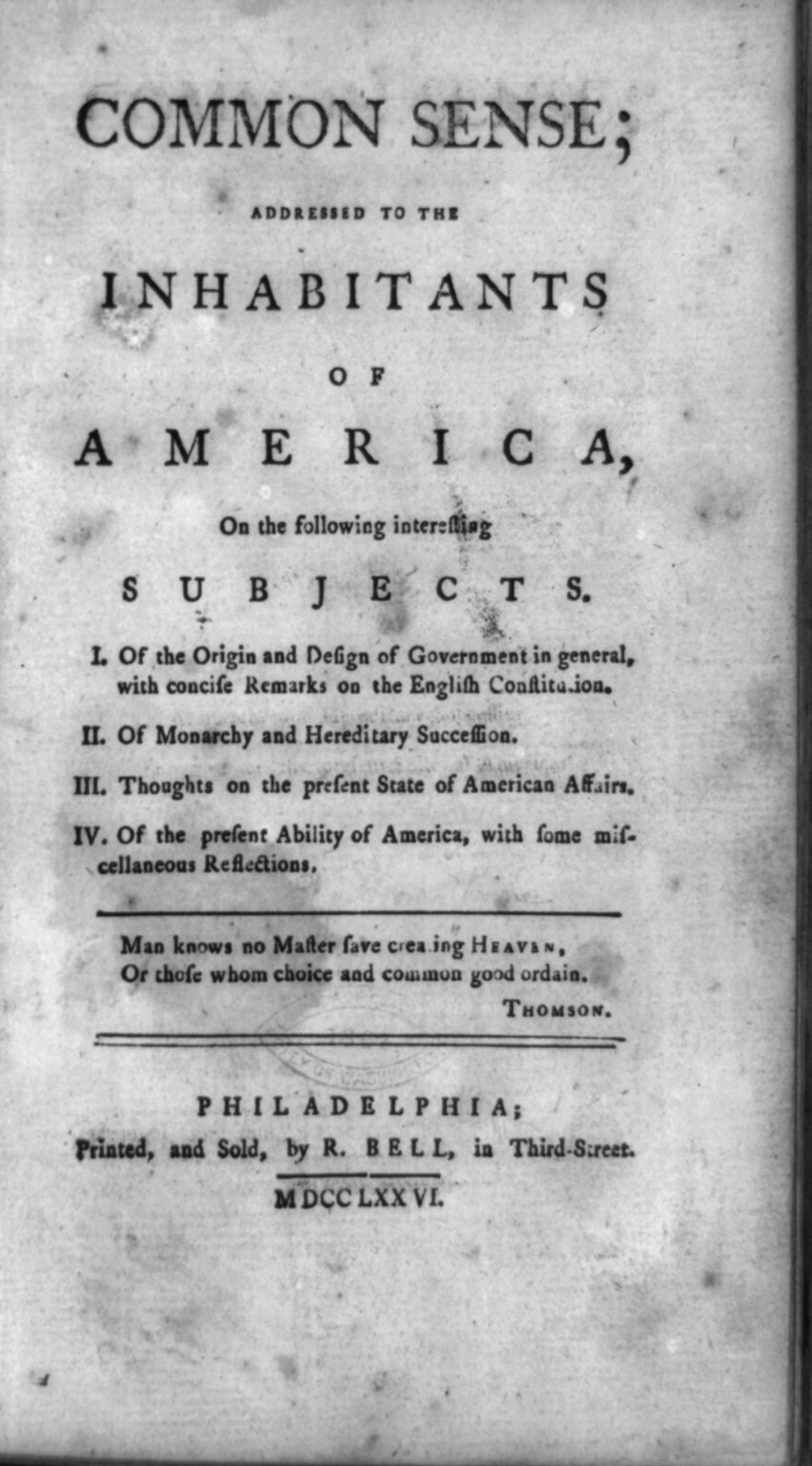
Sal, Not LocktonIsabel had sworn off spying after the last time cost her so much, but she agrees, giving her name as Sal and refusing the Lockton name. That night she works through Thomas Paine (author)'s Common Sense, reading one sentence over and over until it opens. On Christmas Eve she finds Curzon mending. Christmas brings holly, shoes from Lady Seymour, nothing from Madam, and a warning that the prison visits disgrace the family.
Bread and NewsWalking out alone, Isabel understands that Madam can chain her body but not her soul. She makes her mother's bread pudding and gives it to a family living under sailcloth in the burned district. In late December Captain Morse intercepts her at market, and she carries a loaf with a message baked inside to Dibdin — the American victory at Trenton, which runs through the prison like fire.
Ice in the YardPrinceton follows in early January. Master Lockton sails for England with the bad news, Sarah's baby is born and named George, and Lady Seymour asks Isabel's forgiveness, admitting she once tried to buy her and Ruth. Then a seizure leaves Lady Seymour unable to move or speak, and Isabel nurses her while Madam asks the doctor how soon she will die, worried only about the Queen's birthday ball. Hanging frozen wash, Isabel thinks of Ruth and smashes a sheet.
| Section | What you will practice |
|---|---|
| Vocabulary | Errands, secrets, and grief: provisions, contraband, courier, defiance, mourning… |
| Literary Elements | Situational irony sharpened to a point, symbols made out of ordinary household objects, and a motif of food that carries far more than food |
| Cross-Curricular | Prisoners of war in occupied New York — the sugarhouses, churches and prison hulks, and the civilians who kept the men inside them alive |
| Ch. | What happens |
|---|---|
| Chapter 37 | A Bargain at the Prison Door — With Lady Seymour recovered, the house turns to Christmas work. The guards refuse Isabel entry and promise to search her basket, but through a window she sees Curzon feverish and robbed of blanket and food. Dibdin will care for him only if she carries word to Captain Morse, so she becomes a courier again and starts Common Sense that night. |
| Chapter 38 | Keeping Christmas — Curzon is mending when she visits on Christmas Eve. Christmas Day brings holly, a pair of shoes from Lady Seymour, nothing from Madam, and a warning to stay away from the prison. Isabel decides her soul cannot be owned, bakes her mother’s bread pudding, and carries it to a family living in tents in the burned district. |
| Chapter 39 | The Message in the Bread — Sent to market by Sarah, Isabel is stopped by Captain Morse, who begs one more errand. At a tavern he hands her a loaf with a note baked inside. She delivers it to Dibdin, and word of the American victory at Trenton spreads through the prison and lifts the whole yard. |
| Chapter 40 | New Year, New Ground — A second American victory at Princeton softens the prisoners’ treatment for a while. Master Lockton sails for England to report the losses, Sarah’s son is born and named George, and Lady Seymour asks forgiveness for having tried to buy Isabel and Ruth. Isabel keeps reading, and Paine’s argument starts to fit her own life. |
| Chapter 41 | Sheets of Ice — Madam orders a new gown for Queen Charlotte’s birthday ball. Lady Seymour is felled by a seizure and left helpless, and Isabel nurses her while Madam asks the doctor when the old woman will die. In the frozen yard the wash hangs stiff as glass, Ruth comes flooding back, and Isabel smashes an icy sheet. |
ⓘ The vocabulary words in this list are selected to help you understand and complete this workbook. Some may not appear verbatim in the original novel.
- Dibdin offers to care for him if she carries a message.
- Word of the Trenton victory reaches the prisoners.
- Isabel finds Curzon feverish behind the prison window.
- Isabel shares her mother’s bread pudding with strangers.
- A seizure leaves Lady Seymour helpless and Isabel nurses her.
Picture a girl carrying a water bucket down a New York street in the last week of December 1776, with a scar shaped like a letter healing on her cheek and a heel of bread hidden under her cloak. The bucket is the reason she is allowed outside. The bread is the reason she goes. Inside a cold stone building on the Common, a boy she knows is lying on a floor with no blanket, burning with fever, because the stronger men around him took his food and his covering and nobody stopped them. Isabel cannot free him, cannot bribe anyone, and owns nothing at all. What she has is a chore that takes her past the door, a face the guards have stopped noticing, and a willingness to be useful to a man who can get a doctor sent in. So she starts carrying messages again — the exact thing she swore she would never do a second time. Part 7 is three weeks of small, dangerous errands: a loaf with a note baked inside it, a bread pudding handed to strangers living in tents, an old woman washed and fed and turned in her bed. And underneath all of it, a book Isabel can barely read is telling her that no person was ever born with the right to own another.
When the British army took New York City in the autumn of 1776, it also took thousands of prisoners. The surrender of Fort Washington that November put roughly two thousand eight hundred Continental soldiers into British hands in a single afternoon. No prison in the city was large enough, so the army used whatever already stood there: a nearly new stone workhouse, the old city jail, churches with their pews torn out, and the tall stone refineries where merchants had boiled raw sugar. The buildings were unheated, and the men inside wore whatever they had been captured in.
When the buildings filled, the British turned to the water. Warships too rotten to sail were stripped of masts and rigging and anchored in Wallabout Bay, off the Brooklyn shore; a vessel kept that way was called a hulk. Prisoners lived below deck in the dark, hundreds at a time, and came up in small groups for air. Their provisions were supposed to be two thirds of what a British soldier received, but the officers who bought the food were paid a share of whatever they did not spend, and the portions reaching the holds were often meager.
What kept many men alive was help from outside the walls. New York women, free Black residents, and enslaved people sent out on errands carried bread, blankets and news past the guards, contraband that could have brought a whipping had it been found. It was never enough. Estimates differ, because nobody kept honest records, but historians broadly agree that more Americans died in British confinement around New York than were killed in all the battles of the Revolutionary War. Bones surfaced along the Brooklyn shore for generations, and a monument raised there in 1908 marks where many were finally buried.
This writing task is optional and is not part of your auto-graded score. The feedback below checks only the basics — length, spelling, and grammar — not whether your ideas are right or wrong. It is meant for classroom discussion and creative practice, so feel free to use your imagination!
Writing Task — Part 7 “Something Small You Could Still Do”
Isabel cannot free Curzon, buy him a blanket, or argue with a guard. What she has is a chore that takes her past the door and a heel of bread. Write about a time when you could not fix a situation but did the one small thing you could do — or a time someone did that for you. Describe what was wrong, what was out of your control, what you actually did, and whether it mattered. 6–10 sentences. End by saying whether small acts are worth doing when they cannot solve the problem.
No right or wrong — tell someone nearby what happened in this part. Can’t find anyone? Tell yourself out loud. The moment you teach it, you truly understand it.

Part 7 Complete!
You finished Chapters 37–41 of Chains.
Here are your auto-graded results:
Independent study guide by Garden Heights. Not affiliated with or endorsed by Laurie Halse Anderson. Contains original analysis only; no text from the novel is reproduced. Reference text: This workbook follows Laurie Halse Anderson’s classic text (the standard Puffin edition sold worldwide). Revised 2023 UK editions change some wording and may not match the vocabulary studied here.