
Charlotte’s Web cover
Garden Heights Academy

Charlotte's Web

This workbook is for Garden Heights members. Sign in to continue.

Sign in with Google →
New here? Just sign up with Google — your account includes Matilda, our gift book, forever.
Charlotte's Web · Garden Heights Academy

Part 5

for Charlotte's Web · Part 5 · Chapters 13–15
a novel by E.B. White
35 min5 Parts
This workbook is built on a solid pedagogical foundation, effectively integrating content and language learning based on the CLIL framework (Content and Language Integrated Learning), elevated by our unique 5th C — Connection — and an integrated Standardized Test section that weaves every SAT & TOEFL question type right into the novel, so learners build real test skills easily, naturally, and with fun.
What Happens in Part 5

Charlotte keeps working hard, carefully weaving the word RADIANT into her web while Templeton brings her more scraps to copy. Wilbur, eager to live up to his words, tries to look radiant and behaves his best. Meanwhile, Fern’s worried mother visits wise old Dr. Dorian, who gently reassures her that there is nothing strange about a child who loves animals. As summer slips away and the crickets begin to sing their end-of-summer song, the Zuckermans make an exciting decision: Wilbur will be entered in the great County Fair, where Charlotte hopes one more miracle can secure his future.

What We Will Learn
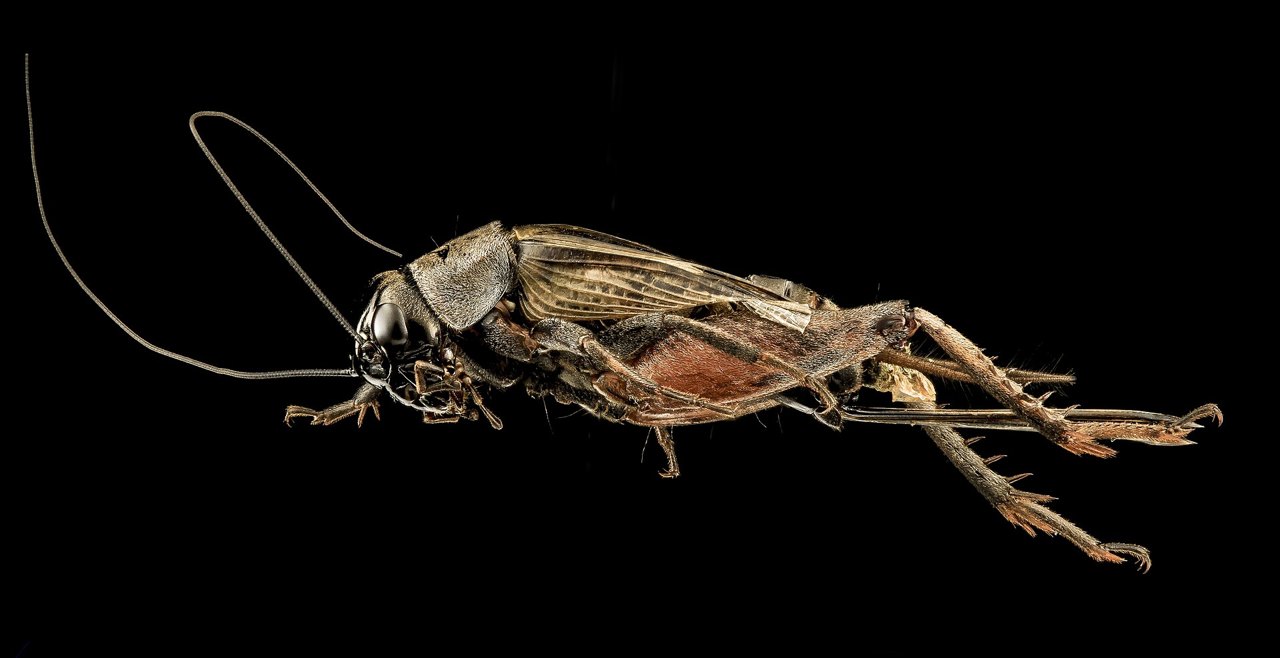
FocusWhat It Means
PlotThe plan grows and a big event nears
Seasons (Science)How nature signals the change of seasons
CharacterWise Dr. Dorian and growing-up Fern
Chapter Summary
ChapterKey Events
Ch.13Charlotte weaves RADIANT; Templeton fetches more word scraps; Wilbur tries to live up to it
Ch.14Mrs. Arable visits Dr. Dorian, who reassures her about Fern’s love of the animals
Ch.15Crickets sing of summer’s end; the Zuckermans plan to take Wilbur to the County Fair
💭 Before You Read · Warm-Up (not scored)

There are no wrong answers here — just think, guess, and talk:

  • The crickets sing that summer is ending, and Charlotte works harder than ever. Why do writers often use a changing season to make readers feel that time is running out?
  • Dr. Dorian says there is nothing wrong with a child who loves animals and listens for their voices. Do you agree? What can we learn from paying close attention to animals?
  • Predict: everything now points to the County Fair. Why might a fair — with judges and prizes — be Wilbur’s best chance to be saved?
Copyright Notice

This is an independent study guide created by Garden Heights Academy to support reading comprehension and literary analysis. It contains original analysis questions and does not reproduce any text from the novel. Charlotte's Web is a work by E.B. White. This guide is not affiliated with, authorized by, or endorsed by the author or any associated rights holders. Students should read the original book, available from libraries and booksellers.
Part 1
Vocabulary
Study 10 key words from Chapters 13–15, then answer each question.
🧠Knowledge Bank · The Turning of the Seasons
Nature · The Turning SeasonsThese chapters carry us deep into late summer, and on a farm the season is never merely background — it is a kind of clock. White fills the pages with the ripeness of the year: warm days, the smell of the barn, and the first cool nights when the crickets begin their sad, sawing song. That song is a real signal; as summer fades, crickets and katydids call more loudly, and country people have long heard in it the coming of autumn. A farm lives by this turning wheel — planting, growing, harvest, frost — and every creature feels the year sliding on. Because the fair happens at summer’s end, its arrival tells us the warm, safe season is quietly closing. Learn to feel the seasons in this book the way the animals do, and you will sense, even inside a happy chapter, the soft approach of change.
radiantadj.Ch.13
Shining brightly; glowing with health
“Charlotte wove the word radiant.”
reassurev.Ch.14
To take away someone’s worry
“Dr. Dorian tried to reassure Mrs. Arable.”
wiseadj.Ch.14
Having good sense and judgment
“Dr. Dorian was a wise old doctor.”
seasonn.Ch.15
A part of the year, like summer or fall
“The season was slowly changing.”
effortn.Ch.13
Hard work and energy
“Charlotte put great effort into her webs.”
behavev.Ch.13
To act in a certain way
“Wilbur tried to behave his best.”
fairn.Ch.15
A big public event with shows and contests
“Wilbur would go to the County Fair.”
chillyadj.Ch.15
Cool and a little cold
“The nights grew chilly as fall neared.”
concernn.Ch.14
A feeling of worry or care
“Mrs. Arable’s concern was about Fern.”
glowingadj.Ch.13
Giving off a warm, healthy light
“Wilbur looked glowing and well.”

ⓘ The vocabulary words in this list are selected to help you understand and complete this workbook. Some may not appear verbatim in the original novel.

1Shining brightly and glowing with health means ___.Ch.13
2True or False: To “reassure” someone is to calm their worry.Ch.14
3A part of the year, like summer or autumn, is a ___.Ch.15
4True or False: A “wise” person has good sense and judgment.Ch.14
5Fill in each blank with the correct word.Ch.13
Word choices:radianteffortbehaveglowing- some words will not be used
Charlotte put great into weaving the word , and Wilbur tried to his best.
6True or False: “Chilly” weather is warm and hot.Ch.15
7A big public event with shows and contests is a ___.Ch.15
8True or False: A “concern” is a feeling of worry or care.Ch.14
9Fill in the blanks with the correct words.Ch.14–15
Word choices:wiseseasonreassureglowing- some words will not be used
The doctor tried to Mrs. Arable about Fern.
10Giving off a warm, healthy light means ___.Ch.13
Part 2
Comprehension
How well do you understand Chapters 13–15?
🧠Knowledge Bank · Keeping Events in Order
Reading Skill · Sequencing EventsLong stories ask readers to hold events in the right order, and keeping that sequence straight is a real reading skill. In these chapters a chain of steps carries Wilbur toward the fair: Charlotte weaves a new word, the people grow more amazed, the family decides to enter him in the fair, and everyone begins to prepare. Miss one step and the next stops making sense. Words like first, then, next, and finally are signposts an author plants to guide you through time. Notice too that some events are causes of later ones — Wilbur becomes famous, so he is taken to the fair — so sequence and cause often travel together. When a story grows busy, it helps to pause and quietly retell the order of what has happened, like laying beads one by one on a string. A reader who keeps the events in line never loses the thread.
1What word does Charlotte weave in this part?Ch.13
2Who keeps bringing Charlotte scraps of words to copy?Ch.13
3What does Dr. Dorian tell Mrs. Arable?Ch.14
4True or False: The crickets’ song is a sign that summer is ending.Ch.15
5Write the numbers 1–5 in the boxes to show the correct order across Part 5. Number 1 = what happens first.Ch.13–15
  • Wilbur tries hard to look radiant and behave well.
  • Charlotte weaves the word RADIANT into her web.
  • The crickets begin their end-of-summer song.
  • The Zuckermans decide to take Wilbur to the County Fair.
  • Mrs. Arable visits Dr. Dorian, who reassures her.
6True or False: Wilbur tries to live up to the words Charlotte writes about him.Ch.13
7What big event will Wilbur be entered in?Ch.15
8How does Dr. Dorian feel about Fern loving the animals?Ch.14
9True or False: Charlotte stops working on her plan in this part.Ch.13
10Fill in the blanks to complete the sentence.Ch.13–15
Word choices:RADIANTFaircricketsseason- some words will not be used
Charlotte wove , and soon Wilbur would go to the County .
Part 3
Literary Elements
Understanding HOW and WHY E.B. White creates certain feelings across Chapters 13–15.
🧠Knowledge Bank · Writing the Real Barn
Literary Craft · Concrete DetailE. B. White was famous for plain words and exact detail, and nowhere does that habit work harder than in this barn. He does not prettify it. He names manure and feed and silage, hay dust and the warm animals themselves — the true, unglamorous scents of a working barnyard — and he lists them without apology, the way a farmer would. Why should that matter in a story where animals talk? Because invented things become believable when they stand in a solidly real place. Every honest smell buys credit for the next impossible conversation. Writers call this concrete detail: choosing the specific noun over the vague one, silage rather than food. Read these chapters with your nose, and you will find that much of White’s magic is really patient observation.
📚 Literary Devices in This Part · definitions & examples
Setting includes time. The changing season marks how much time has passed.
Mood: the crickets’ song adds a bittersweet, end-of-summer feeling.
Rising action: the plan grows and the County Fair sets up the story’s big test.
The questions below are mixed — not grouped by device. Decide which device each one is about.
1The changing season showing how much time has passed is part of the story’s —Ch.14–16
2Setting includes both the place and the time of a story.Ch.14–16
3Fill in each blank with the correct word.Ch.14–16
Word choices:settingmoodrisingplot- some words will not be used
The changing season is part of the
The crickets’ song adds a bittersweet .
4The crickets’ song adds a bittersweet, end-of-summer feeling. This feeling is the —Ch.14–16
5Mood is only the list of props in a scene.Ch.14–16
6Fill in each blank with the correct word.Ch.14–16
Word choices:risingmoodsettingplot- some words will not be used
The plan growing toward the County Fair is
The crickets create a wistful .
7The plan growing and the Fair setting up the big test is the story’s —Ch.14–16
8Why does the author mark the changing season?Ch.14–16
9Fill in each blank with the correct word.Ch.14–16
Word choices:moodsettingrisingplot- some words will not be used
The crickets’ bittersweet song sets a wistful
The season change is part of the .
10The County Fair mainly serves as the story’s —Ch.14–16
Part 4
Think Deeper
Four deeper challenges — no single-word recall. Read, weigh the evidence, and reason it through.
🧠Knowledge Bank · The Barn’s Uninvited Neighbor
Ecology · Barn Rats & GrainEvery real barn had rats. Where grain is stored some of it spills, and a spilled handful a day will feed a colony under the floorboards all season. Farmers set traps and kept cats, yet the rats stayed, because the food never stopped; a barn was a granary with a roof, and a rat is a superb scavenger — quick, clever, and a determined hoarder that drags home far more than it can eat. White gives Templeton exactly those instincts, and then adds a question worth chewing on. Templeton will run an errand, but only when there is something in it for himself, and he says so plainly. That makes him honest, useful, and hard to admire all at once, and it invites you to ask what a good deed is really worth when it is done for payment.
1Claim: “Wilbur works to become the pig Charlotte’s words say he is.” — choose the two details that best prove it.Claim & Evidence
2Who does what to keep the plan going? Tap each item to send it left or right.Sort into two
◄ CharlotteTempleton ►
3Match each cause to its result. For each cause, pick its result.Cause & Effect
Charlotte needs new words
Charlotte weaves ‘RADIANT’
Wilbur reads his new word
The plan keeps working
4Fill both blanks to complete the reasoning.Build the Argument
Wilbur tries to look radiant because , which shows that .
Part 5
Standardized Test
Author’s Purpose & Passage Structure — SAT & TOEFL-style practice
🎯 You already have the skills from the sections above — this is just a fun way to meet real SAT & TOEFL-style questions. Read the passage (the highlighted words are tested below), then answer the questions below. Tap an answer to select it, then tap it again to confirm — you can change your choice until you confirm.

Long before television and the internet, the county fair was the most exciting event of the farming year. It began as a practical gathering: once the harvest was in, farmers from all around would travel to one town to buy, sell, and compare what they had grown and raised. Over time the fair grew into a grand celebration. Farmers began to compete, entering their finest pig, their fattest pumpkin, or their sweetest jam, and judges awarded bright ribbons to the best of each. Winning a ribbon brought real pride, and often a better price, so families worked all year to prepare their entries.

But the fair was about far more than prizes. For families who lived miles apart down muddy roads, it was the one week when the whole county stood together in the same field. It was a chance to share news, ride the rides, eat sweet food, and simply be together before winter closed in. Children saved coins for months to spend in a single afternoon. Even today, when we no longer need the fair to trade our crops, people still come, because a fair feeds something a screen never can: the simple joy of a whole community gathered in one happy place.

Original passage written for Garden Heights — not a quotation from the novel.
1How did the county fair first begin?TOEFL · Factual Information
2A “gathering” is —SAT · Words in Context
3To “compete” at the fair meant to —SAT · Words in Context
4Why does the author describe the fair’s beginning before its celebrations?TOEFL · Passage Structure
5Winning a ribbon brought real “pride,” meaning —SAT · Words in Context
6Besides prizes, what did the fair let a scattered community do?TOEFL · Factual Information
7According to the passage, why do people still come to fairs today?TOEFL · Factual Information
8Why do people still attend fairs today, according to the passage?SAT · Inference
9Which sentence best states the main idea of the passage?SAT · Central Ideas
10The author ends by saying a fair “feeds something a screen never can” mainly to —TOEFL · Rhetorical Purpose
Part 6 · Optional
Creative Writing
A bonus challenge to practice your English. Take your time and have fun with it.
About This Section

This writing task is optional and is not part of your auto-graded score. The feedback below checks only the basics — length, spelling, and grammar — not whether your ideas are right or wrong. It is meant for classroom discussion and creative practice, so feel free to use your imagination!

Writing Task — Part 5 “The Changing Seasons”

The crickets’ song shows that summer is ending. Write about your favorite season and how you can tell it is arriving or ending. What sights, sounds, and feelings does it bring? Write at least 40 words.

You can start with: “My favorite season is…”
0 / 40 words minimum
🗣 Teach It · Just for Fun (optional)

No right or wrong — close the screen and tell someone nearby what happened in this part. Can’t find anyone? Tell yourself out loud. The moment you teach it, you truly understand it.


Garden Heights Academy

Part 5 Complete!

You finished Chapters 13–15 of Charlotte's Web.

Here are your auto-graded results:

-
points out of 100
Your Writing

Your writing was checked automatically for length, spelling, grammar, and whether you included the key parts of the scene. Scroll back to Part 5 anytime to read your feedback and improve your work.

Move on to Part 6 →

Independent study guide by Garden Heights Academy. Not affiliated with or endorsed by the author or any rights holders. Contains original analysis only; no text from the novel is reproduced.