
The Chocolate Touch cover
Garden Heights Academy

The Chocolate Touch

This workbook is for Garden Heights members. Sign in to continue.

Sign in with Google →
New here? Just sign up with Google — your account includes Matilda, our gift book, forever.
The Chocolate Touch · Garden Heights Academy

Part 5

for The Chocolate Touch · Part 5 · Chapters 9
a novel by Patrick Skene Catling
30 min5 Parts
This workbook is built on a solid pedagogical foundation, effectively integrating content and language learning based on the CLIL framework (Content and Language Integrated Learning), elevated by our unique 5th C — Connection — and an integrated Standardized Test section that weaves every SAT & TOEFL question type right into the novel, so learners build real test skills easily, naturally, and with fun.
What Happens in Part 5

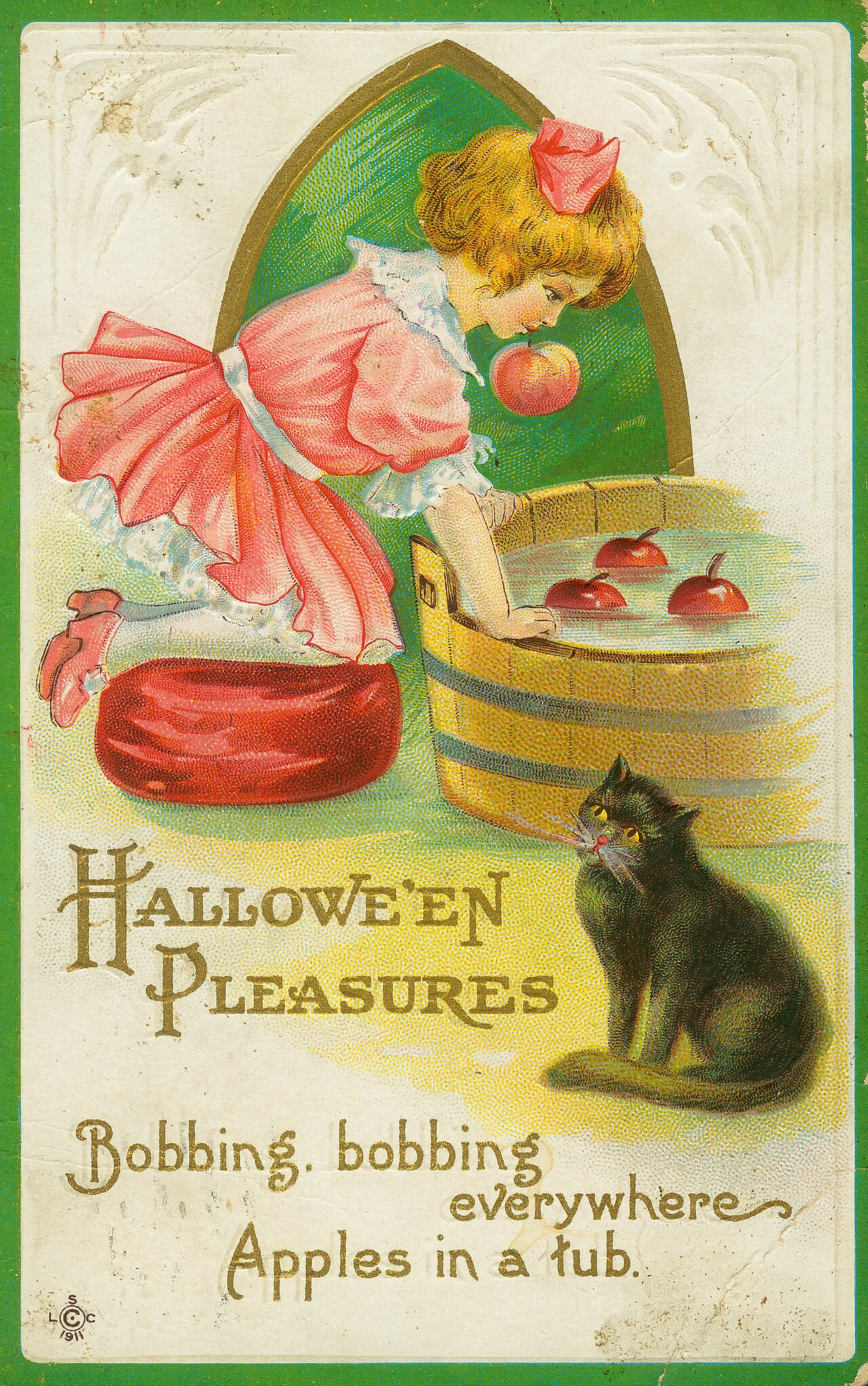
John is invited to Susan Buttercup’s birthday party. The children play bobbing for apples, ducking their faces into a tub of water to grab an apple with their teeth. But the moment John’s mouth touches the water, the whole tub turns to chocolate, splattering everywhere — over the floor, over Susan, and over John. What should have been fun becomes another embarrassment, and John’s magical gift keeps spoiling the things and people he cares about.

What We Will Learn
FocusWhat It Means
Plot (Social Trouble)The chocolate touch ruins Susan’s party
FriendshipHow the curse hurts John’s relationships
VocabularyParties, games, and mishaps
Chapter Summary
ChapterKey Events
Ch.9At Susan’s birthday party, the tub of water turns to chocolate as John bobs for apples, splattering everyone
Copyright Notice

This is an independent study guide created by Garden Heights Academy to support reading comprehension and literary analysis. It contains original analysis questions and does not reproduce any text from the novel. The Chocolate Touch is a work by Patrick Skene Catling. This guide is not affiliated with, authorized by, or endorsed by the author or any associated rights holders. Students should read the original book, available from libraries and booksellers.

Part 1
Vocabulary
Study 10 key words from Chapters 9, then answer each question.
🧠Knowledge Bank · What Sugar Does Inside You
Nutrition Science · Energy & Blood SugarWhy does John feel so wild and then so awful? Sugar gives your body quick energy. When you eat a lot at once, you may feel bouncy and full of go. But that burst does not last. Soon your body runs low again, and you can feel tired, cranky, or sick to your stomach. Too much sugar at a party can leave you with an aching tummy. Your body works best with steady food — fruit, bread, milk — not a mountain of sweets all at once. John is learning this the hard way, through one sticky, chocolate-covered mistake.
invitev.Ch.9
To ask someone to come
“Susan invited John to her party.”
celebratev.Ch.9
To do something special for a happy event
“They came to celebrate her birthday.”
splatterv.Ch.9
To splash in drops over a wide area
“Chocolate splattered all over the room.”
drenchv.Ch.9
To make completely wet
“The mess drenched poor Susan.”
ruinv.Ch.9
To spoil something completely
“The curse ruined the party game.”
guestn.Ch.9
A person invited somewhere
“The guests stared at the mess.”
gigglev.Ch.9
To laugh in a silly way
“Some children began to giggle.”
apologizev.Ch.9
To say you are sorry
“John tried to apologize to Susan.”
clumsyadj.Ch.9
Awkward and likely to cause a mess
“He felt clumsy and ashamed.”
tubn.Ch.9
A wide, open container
“The tub of water turned to chocolate.”

ⓘ The vocabulary words in this list are selected to help you understand and complete this workbook. Some may not appear verbatim in the original novel.
1To ask someone to come to your party is to ___ them.Ch.9
2True or False: To “celebrate” is to do something special for a happy event.Ch.9
3To splash in drops over a wide area is to ___.Ch.9
4True or False: To “drench” something is to keep it dry.Ch.9
5Fill in each blank with the correct word.Ch.9
Word choices:inviteruinsplatterguest- some words will not be used
Susan was kind to John, but the curse would her party and chocolate everywhere.
6True or False: A “guest” is a person who is invited somewhere.Ch.9
7To say that you are sorry is to ___.Ch.9
8True or False: Someone “clumsy” is graceful and neat.Ch.9
9Fill in the blanks with the correct words.Ch.9
Word choices:drenchgiggleapologizetub- some words will not be used
The of water turned to chocolate, making John to Susan.
10To laugh in a silly way means to ___.Ch.9
Part 2
Comprehension
How well do you understand Chapters 9?
🧠Knowledge Bank · Putting Events in Order
Folk Customs · SequenceAt autumn parties children have played a game called bobbing for apples for hundreds of years. Apples float in a tub of water, players tuck their hands behind their backs, and each one tries to catch a fruit with their teeth alone. Notice that the game has a fixed order, and so does every chapter you read. The order in which events happen is called sequence, and good readers track what comes first, next, then last. Retell Susan’s party that way: how John arrived, what the games were, how the afternoon ended. A reader who can retell events in order has truly understood.
1Where is John in this part?Ch.9
2What game are the children playing?Ch.9
3What happens when John’s mouth touches the water?Ch.9
4True or False: The chocolate splatters over Susan and John.Ch.9
5Write the numbers 1–5 in the boxes to show the correct order of events in Part 5.Ch.9
  • The children play bobbing for apples in a tub of water.
  • Susan invites John to her birthday party.
  • The whole tub turns to chocolate and splatters everywhere.
  • John ducks his face into the water to grab an apple.
  • An embarrassed John has spoiled the party game.
6True or False: John means to ruin the party on purpose.Ch.9
7In bobbing for apples, how are players supposed to grab the apple?Ch.9
8How does the party turn out for John?Ch.9
9True or False: The chocolate touch is now spoiling John’s friendships, not just his food.Ch.9
10Fill in the blanks.Ch.9
Word choices:waterchocolatejuicegold- some words will not be used
When John bobbed for apples, the turned to at once.
Part 3
Literary Elements
Understanding HOW and WHY Patrick Skene Catling creates certain feelings across Chapters 9.
🧠Knowledge Bank · Catling’s Word-Craft: Strong Action Words
Literary Craft · VerbsRead this chapter and you can almost feel the mess. That is because Catling picks strong action words, called verbs. Instead of writing simply that chocolate got on things, he chooses words that splatter and drench and drip across the page. A well-chosen verb paints a clear picture in your mind and makes a scene come alive. Writers know that one lively verb often does more work than a whole line of description. As you read, underline the busiest, messiest words you can find. Then try borrowing that trick in your own writing, choosing verbs that truly splash.
📚 Literary Devices in This Part · definitions & examples
John’s struggle against the curse is an external conflict.
Each disaster happens in a new setting: home, school, a party.
Catling repeats a pattern — John tries, the curse ruins it — to build the lesson.
The questions below are mixed — not grouped by device. Decide which device each one is about.
1John’s ongoing fight against the curse is an example of —Ch.9
2External conflict is a struggle between a character and an outside force.Ch.9
3Fill in each blank with the correct word.Ch.9
Word choices:conflictsettingpatternsymbol- some words will not be used
John’s fight with the curse is an external
Each disaster unfolds in a fresh .
4Each new disaster happens somewhere different — home, school, a party. This changing place is the story’s —Ch.9
5Setting means only the time of day a story happens, never the place.Ch.9
6Fill in each blank with the correct word.Ch.9
Word choices:patternconflictsettingrhyme- some words will not be used
Catling repeats a
John cannot win this external .
7Why does Catling repeat the same pattern of John trying and then failing?Ch.9
8John’s struggle is ‘external’ rather than ‘internal’ because it is —Ch.9
9Fill in each blank with the correct word.Ch.9
Word choices:settingpatternconflictmood- some words will not be used
The party is a new
John tries again, and the repeated .
10Setting the party disaster among happy guests mainly makes John’s shame feel —Ch.9
Part 4
Think Deeper
Four deeper challenges — no single-word recall. Read, weigh the evidence, and reason it through.
🧠Knowledge Bank · Hurting the People We Like
Social Psychology · Thinking of OthersThe party should have been fun, but John’s greed spoils it for everyone. This is an important moment to notice. When we think only about ourselves, we often end up hurting the very people we care about. John did not plan to ruin his friends’ games, yet his selfish choices did exactly that. Sometimes harm comes not from meanness, but from simply not thinking of others. Ask yourself how John’s friends must feel. A big part of growing up is learning that our choices land on other people too, so we must always choose with kindness.
1Claim: “The curse spoils John’s fun and sets him apart from the other children.” — choose the two details that best prove it.Claim & Evidence
2How the curse isolates John, or just a detail of the party? Tap each item to send it left or right.Sort into two
◄ How it isolates JohnJust a detail ►
3Match each cause to its result. For each cause, pick its result.Cause & Effect
John is invited to a party
The children bob for apples
His mouth touches the water
He cannot play the game
4Fill both blanks to complete the reasoning.Build the Argument
The curse makes the party miserable for John because , which shows that .
Part 5
Standardized Test · Inference & Central Ideas
Part 5 practices exam reading skills — Vocabulary in Context, Inference & Central Ideas — in the styles the SAT and TOEFL use. Read the passage (the highlighted words are tested below), then choose the answer best supported by the text.
🎓Knowledge Bank · How the SAT & TOEFL Ask
Test Skills · Part 5This section keeps building the four exam question families: Vocabulary in Context, Main Idea, Inference, and Author’s Purpose. For a vocabulary item, cover the word, read the sentence, and predict a replacement before you look at the choices; for main idea and purpose, ask what job the whole passage is doing.

Your sense of taste is more complex than it first appears. The tongue is covered with thousands of tiny bumps, and inside them sit taste buds that detect the flavors in your food. These buds sense five basic tastes: sweet, salty, sour, bitter, and a savoury taste called umami. Surprisingly, much of what we call taste is really smell, for the nose adds most of the richness we enjoy. That is why food seems bland when a cold blocks the nose. Taste also protects us, because a bitter or sour flavor can warn that a food is spoiled or unripe. Taste buds do not last forever; they wear out and are replaced every couple of weeks. What feels like one simple sense is really the nose and tongue working together.

Original passage written for Garden Heights — not a quotation from the novel.
1As used in the passage, the word “complex” most nearly means —SAT · Words in Context
2According to the passage, taste buds sit inside —TOEFL · Factual Information
3According to the passage, how many basic tastes do the taste buds sense?TOEFL · Factual Information
4As used in the passage, the word “bland” most nearly means —SAT · Words in Context
5According to the passage, why does food taste dull when you have a cold?TOEFL · Factual Information
6In the passage, the word “warn” is closest in meaning to —TOEFL · Vocabulary
7The passage most strongly suggests that food seems bland during a cold because —TOEFL · Inference
8Which statement best expresses the central idea of the passage?SAT · Central Ideas
9The passage most strongly suggests that a person who cannot smell will find food —TOEFL · Inference
10Why does the author mention that a cold makes food seem bland?SAT · Text Structure & Purpose
Part 6 · Optional
Creative Writing
A bonus challenge to practice your English. Take your time and have fun with it.
About This Section

This writing task is optional and is not part of your auto-graded score. The feedback below checks only the basics — length, spelling, and grammar — not whether your ideas are right or wrong. It is meant for classroom discussion and creative practice, so feel free to use your imagination!

Writing Task — Part 5 “When Things Go Wrong”

John accidentally spoils his friend’s party. Write about a time something went wrong in front of others, or a time you accidentally affected someone else. What happened, and how did you make it right? Write at least 40 words.

You can start with: “I never meant for it to happen, but…”
0 / 40 words minimum
🗣 Teach It · Just for Fun (optional)

No right or wrong — close the screen and tell someone nearby what happened in this part. Can’t find anyone? Tell yourself out loud. The moment you teach it, you truly understand it.

Garden Heights Academy

Part 5 Complete!

You finished Chapters 9 of The Chocolate Touch.

Here are your auto-graded results:

-
points out of 100
Your Writing

Your writing was checked automatically for length, spelling, grammar, and whether you included the key parts of the scene. Scroll back to Part 5 anytime to read your feedback and improve your work.

Move on to Part 6 →

Independent study guide by Garden Heights Academy. Not affiliated with or endorsed by the author or any rights holders. Contains original analysis only; no text from the novel is reproduced.