New here? Just sign up with Google — your account includes Matilda, our gift book, forever.
The Tale of Despereaux · Garden Heights
Part 1
for The Tale of Despereaux · Part 1 · Chapters 1–8 · Book the First
8 Parts40 min
What Happens in Part 1
In a castle, in a mouse hole, a very small mouse is born — the last of his litter, the only one alive, eyes open from the first minute and ears far too large for his body. His French mother names him Despereaux, for the despairs of the day, and gives him up for lost. But Despereaux will not behave like a proper mouse. He is sickly and small, yet he ignores crumbs to stare at light falling through the castle windows; sent to eat the pages of a book in the library, he reads it instead — a story of a knight, a fair maiden, and honor. Then comes the sound that undoes him: music, drifting down a corridor. Following it, he finds King Phillip singing to his daughter, the Princess Pea — and Despereaux, breaking every law of mice, steps into the open to listen at the king’s foot. The Pea sees him, and smiles; and when she asks, he tells her his name, and lets her touch him. His brother Furlough, watching in horror, scurries off to report an unforgivable crime: a mouse has talked with humans — and worse, has fallen in love.
What We Will Learn
Section
What you will practice
Vocabulary
Words of an unusual birth: litter, despair, sickly, corridor, honor, unforgivable…
Literary Elements
The storyteller’s voice (‘Dear Reader’), the misfit hero, and fairy-tale style
Cross-Curricular
How big ears hear, and why castles are full of music and light
Chapter Summary
Ch.
What happens
1–2
The Last Mouse Born — eyes open, ears enormous; named Despereaux for the day’s despairs.
3–4
Not a Proper Mouse — he stares at light and, sent to eat a book, reads the knight’s tale instead.
5–7
The Music — the king’s song draws Despereaux into the open, to the foot of the throne.
8
The Crime — he speaks with Princess Pea and lets her touch him; Furlough runs to tell.
Part 1
Vocabulary
Study 10 key words from Chapters 1–8 · Book the First, then answer each question.
🧠Knowledge Bank · Ears Built for the Faintest Sound
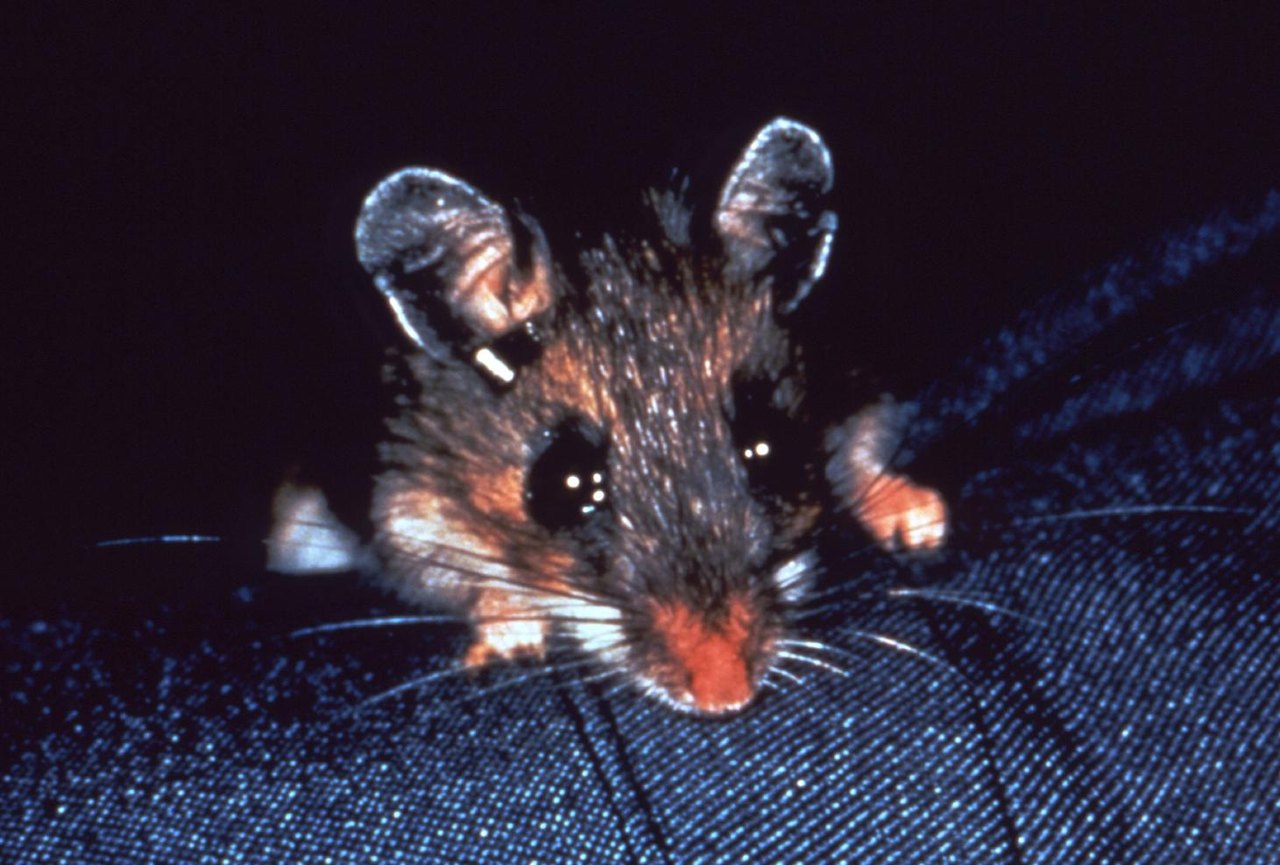
Zoology · Mouse SensesDespereaux is born with ears so large they seem a mistake — yet in the real world of mice, big ears are a gift, not a flaw. A mouse’s ear is a living funnel: its wide flap gathers faint vibrations and pours them down toward the eardrum, so the bigger the flap, the softer the sound it can catch. Real mice hear far above what human ears can reach, into the ultrasonic range, and they read the world through whisker-touch and scent as much as through sight. Because a mouse’s survival depends on hearing the owl before the owl hears the mouse, nature rewards sharp ears — and it is exactly Despereaux’s oversized ears that let him catch the king’s music drifting through the castle. What his family calls a deformity, biology would call an advantage: the same feature that marks him strange also makes him uniquely attentive.
Visual AidEars built for the faintest sound
Photograph of a white-footed mouse, taken in 1993. The Knowledge Bank explains that a mouse’s ear is a living funnel whose wide flap gathers faint vibrations and pours them toward the eardrum, so the bigger the flap the softer the sound it can catch, and that real mice hear far above what human ears can reach. Look at the size of the ears against the head. Nothing here is exaggerated; a storyteller only had to make them bigger still.
White-footed mouse, 1993; U.S. government photograph. Source: Wikimedia Commons, public domain.
littern.Ch.1
A group of babies born together
“He was the last mouse of the litter.”
despairn.Ch.1
The complete loss of hope
“She named him for her despair.”
sicklyadj.Ch.2
Often ill; weak in health
“The tiny mouse was small and sickly.”
enormousadj.Ch.1–2
Extremely large
“His ears were simply enormous.”
corridorn.Ch.5
A long passage inside a building
“Music drifted down the corridor.”
conformv.Ch.3–4
To behave the way the group expects
“Despereaux would not conform.”
honorn.Ch.4
Doing right, bravely and faithfully
“The knight’s tale spoke of honor.”
melodyn.Ch.5–6
A tune; notes that make a song
“The king’s melody undid him.”
scurryv.Ch.8
To run with quick little steps
“Furlough scurried off to tell.”
unforgivableadj.Ch.8
Too serious to be pardoned
“Talking to humans was unforgivable.”
ⓘ The vocabulary words in this list are selected to help you understand and complete this workbook. Some may not appear verbatim in the original novel.
🧠Knowledge Bank question
1According to the Knowledge Bank, a mouse’s ear works as ___.Ch.1
2‘Despair’ means the complete loss of hope.Ch.1
3A long passage inside a building is a ___.Ch.5
4To ‘conform’ means to behave exactly as your group expects.Ch.3–4
5Fill in each blank with the correct word.Ch.1–4
Word choices:sicklyenormousdespairhonor- some words will not be used
The tiny mouse was small and .
His ears were simply .
6Doing right, bravely and faithfully, is a matter of ___.Ch.4
7A ‘melody’ is a tune made of notes.Ch.5–6
8To run with quick little steps is to ___.Ch.8
9Fill in the blanks with the correct words.Ch.5–8
Word choices:melodyunforgivablecorridorscurry- some words will not be used
The king’s drew him into the open.
To the mice, talking with humans was .
10Something too serious to be pardoned is ___.Ch.8
Part 2
Comprehension
Show you understood what happens in Chapters 1–8 · Book the First.
🧠Knowledge Bank · The Mouse Who Broke Every Rule
Reading Skill · CharacterizationGood readers learn who a character is not from what the narrator announces but from what the character chooses when a rule says otherwise. In these eight chapters, keep a running list of every mouse-rule Despereaux breaks: he opens his eyes too soon, refuses to scurry and hide, will not eat the pages of a book, sits still in dangerous light, and finally speaks aloud to a human girl. Set each broken rule beside what he reaches for instead — stories, music, honor, friendship — and a portrait sharpens: this is not a careless mouse but a purposeful one, choosing beauty over safety again and again. That is characterization by decision, the strongest kind, because choices made under pressure reveal the heart while mere words can lie. By Chapter 8 you will not need to be told what kind of creature he is; his own choices will already have drawn the portrait.
Visual AidEvery rule he breaks, and what he reaches for
Diagram for the Knowledge Bank on characterization. The gray cards on the left are the mouse-rules the Knowledge Bank asks you to list, and each colored card beside them is what he reaches for instead. The Knowledge Bank says a reader learns who a character is from what he chooses when a rule says otherwise. Notice that no card judges him, because the judging is the exercise.
Characterization through broken rules, as described in the Knowledge Bank. Drawn for Garden Heights Academy.
🧠Knowledge Bank question
1The Knowledge Bank says you learn who a character is from what he chooses when ___.Ch.1
2Why does his mother name him Despereaux?Ch.1
3Sent to eat a book’s pages, Despereaux reads the story instead.Ch.3–4
4What draws Despereaux out into the open?Ch.5–7
5Write the numbers 1–5 in the boxes to show the correct order of events in Chapters 1–8. Number 1 = what happens first.Ch.1–8
Sent to eat a book, Despereaux reads the knight’s tale.
The last mouse of the litter is born, eyes open.
Furlough scurries away to report the crime.
Despereaux speaks with Princess Pea and lets her touch him.
The king’s music draws him into the open.
6The Princess Pea screams when she sees the mouse at the king’s foot.Ch.7–8
7Who is singing when Despereaux enters the room?Ch.6–7
8What TWO mouse laws does Despereaux break with the princess?Ch.8
9Furlough keeps his brother’s crime a secret.Ch.8
10What has happened to Despereaux by the end of Chapter 8?Ch.8
Part 3
Literary Elements
Understanding HOW and WHY Kate DiCamillo tells the story across Chapters 1–8 · Book the First.
🧠Knowledge Bank · Once Upon a Time, Told New
Author’s Craft · The Storyteller’s VoiceDiCamillo builds her book from old fairy-tale parts — a castle, a princess, a mouse born under an unlucky star, a name that sounds like a prophecy — and then she bends each part until it surprises you. The clearest sign of her craft is the narrator’s voice, which keeps stepping out of the story to speak straight to you, calling you ‘Dear Reader’ and asking you to look, to feel, to be brave through the dark parts. That move is ancient: it is the voice of the fireside storyteller, and it turns reading from watching into companionship. Her hero, too, is a familiar figure told new — the misfit, too small and too strange to belong, wrong by every rule of his people yet right, the tale hints, by some older rule they have forgotten. Notice how comfort and strangeness sit together; that blend is the whole book in miniature.
Storyteller’s Voice
A narrator who turns and speaks to you — ‘Dear Reader’ — making you the tale’s companion.
The Misfit Hero
Wrong by every rule of his people — and right by an older rule the story defends.
Fairy-Tale Style
Castles, fateful names, love and dark — the old form, told with new honesty.
🧠Knowledge Bank question
1According to the Knowledge Bank, the clearest sign of DiCamillo’s craft is ___.Ch.1–8
2Fill in the blank with the correct literary term.Ch.1–8
Word choices:misfitfairy-talesettingsuspense- some words will not be used
A hero wrong by every rule of his people is a hero.
Castles, princesses, and fateful names mark the style.
3Despereaux reading the book instead of eating it separates him from his people by ___.Ch.4
4The narrator sometimes asks the reader to look up a word or feel for a character.Ch.1–8
5Naming the hero after despair — then making him hope’s carrier — sets up the book’s ___.Ch.1
6The knight’s tale Despereaux reads works as ___.Ch.4
7A fairy-tale style forbids sad or dark events.Ch.1–8
8Fill in the blank with the correct literary term.Ch.1–8
Word choices:storytellermisfitironymotif- some words will not be used
The voice that says ‘Dear Reader’ belongs to the .
9The mice’s laws — hide, fear, conform — exist in the story mainly to ___.Ch.3–8
10Ending Part 1 with Furlough running to tell promises the reader that ___.Ch.8
Part 4
Think Deeper
Four deeper challenges — no single-word recall. Read, weigh the evidence, and reason it out.
🧠Knowledge Bank · Weighing the Misfit
Think Deeper · Courage & DifferenceHere is the question worth carrying through Part 1: is Despereaux failing at being a mouse, or succeeding at being something braver? His family measures him against one standard — blend in, stay afraid, survive — and by that ruler he is a disappointment. But the story quietly offers a different ruler, one that prizes wonder, honesty, and the nerve to love what you are told to fear. Weigh each of his differences on both scales: his enormous ears, his open eyes, his hunger for stories rather than crumbs, his refusal to hide. Each one costs him safety and belonging; each one buys him music, friendship, and a self he can respect. Real courage, the part suggests, often looks like failure from inside a frightened crowd, because the crowd is measuring the wrong thing. To judge Despereaux fairly, you must first decide which one is the right ruler.
Think back over the birth and the crime. A dying litter’s last survivor opens his eyes a lifetime early and grows ears fit for a rabbit. He starves beside crumbs to stare at light, reads the dinner he was sent to eat, and follows a song into the one room no mouse enters. A princess smiles down; a name is given; a paw is touched. And at the door, a proper mouse watches in horror — then runs to tell the law.
Original passage written for Garden Heights — not a quotation from the novel.
1Claim: “Despereaux’s differences are gifts disguised as defects.” — choose the two details that best prove it.Claim & Evidence
2What proper mice do, or What Despereaux does? Tap each detail to sort it — tap again to switch sides. You can keep tapping to change your answer.Sort into two
◄ What proper mice doWhat Despereaux does ►
3Match each cause to its result. For each cause, pick its result.Cause & Effect
Ears too large for a proper mouse→
Sent to eat a book in the library→
The king sings to his daughter→
The Pea smiles and reaches out→
🧠Knowledge Bank question
4Fill both blanks to complete the reasoning.Build the Argument
The Knowledge Bank says his family measures him by one standard: , while the story offers a ruler that prizes .
Part 5
Standardized Test
The Funnel and the Song · SAT & TOEFL-style practice
Read the passage — the highlighted words are tested — then answer. Tap an answer, then tap it again to confirm.
SATDetail — a fact stated in the passage
SATWords in Context — a word's meaning in this passage
SATText Connections — how two parts of the text relate
TOEFLFactual Information — a fact stated in the passage
TOEFLVocabulary — a tested word's meaning here
TOEFLRhetorical Purpose — why the author included a detail
Why Ears Come in Different Sizes
Look at any ear, a cat’s, a rabbit’s, your own, and you are looking at a funnel. Sound travels as vibrations: tiny, rapid pushes in the air, spreading out from a plucked string or a singing voice. The outer ear’s job is to gather those pushes and channel them inward to the eardrum, and here size matters. An enormous flap catches more air, which means fainter sounds, farther footsteps and softer songs, can still be caught. It is why rabbits and deer, who live by early warning, wear such generous ears.
Mice hear astonishingly well, far above the range of human hearing, because tiny hunted creatures survive by listening. A mouse’s world is built of sounds we never notice: claws on stone two rooms away, breath behind a wall. Ears that size can also turn toward a noise, sorting a real footstep from a crumb that has merely fallen, so that danger is placed before it ever arrives. Give such a creature ears twice too big, as a storyteller once did, and you have built an animal that cannot help but hear everything, including, drifting down a castle corridor, the one song that will change his life.
Original passage written for Garden Heights — not a quotation from the novel.
1According to the passage, sound travels as ___.TOEFL · Factual Information
2What is the outer ear’s job?SAT · Detail
3Why does a larger ear flap matter?TOEFL · Factual Information
4Why do rabbits and deer wear such generous ears?SAT · Detail
5How well do mice hear, according to the passage?TOEFL · Factual Information
6In the passage, a mouse’s world is built of ___.SAT · Detail
7In the passage, an enormous flap is ___.SAT · Words in Context
8In the passage, a “corridor” is ___.TOEFL · Vocabulary
9How does the passage connect to Chapters 5–7?SAT · Text Connections
10The passage calls Despereaux’s ears a storyteller’s way of building ___.TOEFL · Rhetorical Purpose
Part 6 · Optional
Creative Writing
A bonus challenge to practice your English. Take your time and have fun with it.
About This Section
This writing task is optional and is not part of your auto-graded score. The feedback below checks only the basics — length, spelling, and grammar — not whether your ideas are right or wrong. It is meant for classroom discussion and creative practice, so feel free to use your imagination!
Writing Task — Part 1 “The Sound That Found Me”
Despereaux’s story begins with a song he could not ignore. Write about a sound that once stopped you completely — music, a voice, rain, anything — where you were, what you did next, and why it would not let you go. Write at least 40 words.
You can start with: “I was halfway down the hall when I heard it…”
0 / 40 words minimum
🗣 Teach It · Just for Fun (optional)
No right or wrong — close the screen and tell someone nearby what happened in this part. Can’t find anyone? Tell yourself out loud. The moment you teach it, you truly understand it.
Part 1 Complete!
You finished Chapters 1–8 · Book the First of The Tale of Despereaux.
Here are your auto-graded results:
-
points out of 100
Teach it to someone
The best last step is to teach it. In your own words, explain what happened — retell a favorite scene, teach a character’s big choice, or sum up the main idea for a parent, friend, or classmate. When you can teach it clearly, you truly own it.
Independent study guide by Garden Heights. Not affiliated with or endorsed by Kate DiCamillo. Contains original analysis only; no text from the novel is reproduced. Reference text: This workbook follows Kate DiCamillo’s classic text (the standard Puffin edition sold worldwide). Revised 2023 UK editions change some wording and may not match the vocabulary studied here.
SAT® is a registered trademark of College Board, which is not affiliated with, and does not endorse, these materials. TOEFL® is a registered trademark of ETS. These materials are not endorsed or approved by ETS. Garden Heights is an independent provider of test-style reading practice.