
Part 7
Memphis. On a street corner, Bryce rigs the strings, raises the harmonica, and Jangles dances for every passerby — a boy and a rabbit trying to earn supper a coin at a time. It is never quite enough. In a cheap diner, Bryce orders more than his pennies can cover, and the owner, Neal, takes payment his own way: he seizes the rabbit by the ears and brings his china head down on the counter’s edge. Edward shatters — and in the darkness behind the breaking, he walks through a strange vision: a starless road, old faces, Pellegrina’s knowing eyes. He wakes — remade. Bryce has carried the fragments across town to Lucius Clarke, a doll-mending craftsman, who rebuilds the shattered head with a master’s skill. But the repair has a price no street show can cover, and Lucius offers a hard bargain: he will mend the rabbit and keep him, to sell in his shop. Bryce, owning nothing else in the world, must surrender his sister’s treasure — and the journey’s hardest goodbye is said over a shop counter.
| Section | What you will practice |
|---|---|
| Vocabulary | Words of the street and the shop: earn, passerby, diner, shatter, craftsman, surrender… |
| Literary Elements | Climax, the dream sequence, and sacrifice |
| Cross-Curricular | How street performers earn a crowd, and what a doll mender can rebuild |
| Ch. | What happens |
|---|---|
| 23 | Dancing for Pennies — street corners, harmonica, and a rabbit on strings, earning supper coin by coin. |
| 24 | The Diner — a bill that cannot be paid; Neal smashes Edward’s head on the counter; a strange vision in the dark. |
| 25 | Lucius Clarke — a master doll mender rebuilds the head — at the price of keeping the rabbit; Bryce’s hardest goodbye. |
ⓘ The vocabulary words in this list are selected to help you understand and complete this workbook. Some may not appear verbatim in the original novel.
- A diner bill comes up short of pennies.
- The mender’s bargain: repair, for keeps — and a goodbye.
- Neal shatters the rabbit’s head on the counter.
- Bryce carries the fragments to Lucius Clarke.
- Jangles dances for passersby on Memphis corners.
Think back over Memphis. A rabbit dances on strings while a boy’s harmonica begs the passing shoes to stop. A plate of food, a handful of pennies short. A big hand, a counter’s edge, and the sound china makes when the promise is kept. Then a shop of quiet dolls, a master’s hands puzzling the fragments whole — and a boy signing away his sister’s treasure because broken-and-his was never a choice against whole-and-gone.
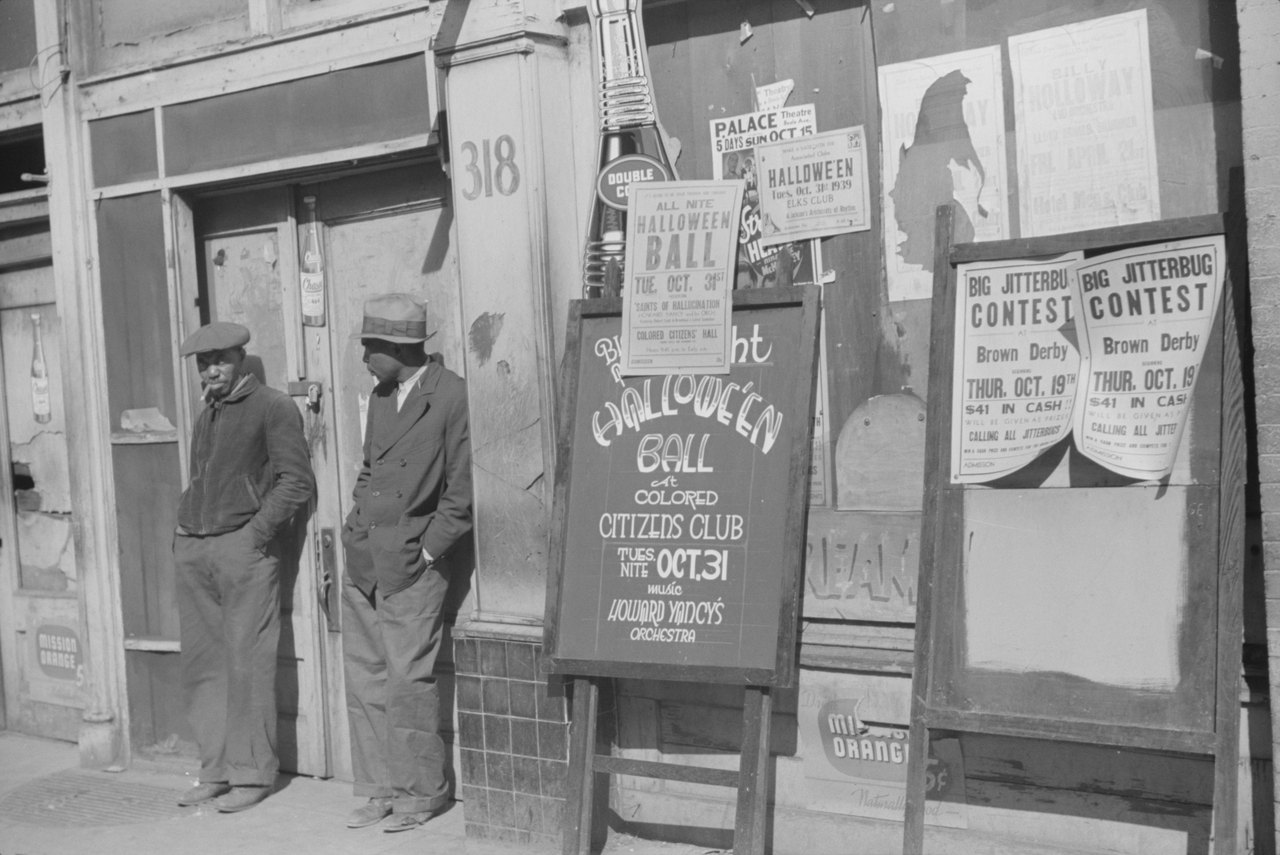
The street performer — the busker — works the world's oldest stage: a pavement corner, a doorway, a market square. The craft is harder than it looks. A busker must choose a pitch where feet naturally slow, open with something that stops a stranger mid-stride, and build a little show — two minutes, perhaps three — that ends exactly when wonder is highest and the hat comes out. The earnings are honest and merciless: the coins a busker can earn measure, to the penny, how much the show moved its audience. River cities like Memphis were busking capitals. Music poured from its corners — harmonica, guitar, washboard — and crowds came expecting to be stopped. A novelty act had an edge: a dancing doll or puppet gathered children first, and the children gathered everyone else. But every busker knew the trade's rule of iron: the crowd owes you nothing. Each performance begins at zero, in every weather, on an empty stomach or a full one — and the show must charm as if the world had never seen it before.
This writing task is optional and is not part of your auto-graded score. The feedback below checks only the basics — length, spelling, and grammar — not whether your ideas are right or wrong. It is meant for classroom discussion and creative practice, so feel free to use your imagination!
Writing Task — Part 7 “Two Minutes on the Corner”
You have one street corner, two minutes, and any talent you choose. Describe your busking act from first note to hat: how you stop the walkers, the moment wonder peaks, and what lands in the hat. Write at least 40 words.
No right or wrong — tell someone nearby what happened in this part. Can’t find anyone? Tell yourself out loud. The moment you teach it, you truly understand it.


Part 7 Complete!
You finished Chapters 23–25 of The Miraculous Journey of Edward Tulane.
Here are your auto-graded results:
The best last step is to teach it. In your own words, explain what happened — retell a favorite scene, teach a character’s big choice, or sum up the main idea for a parent, friend, or classmate. When you can teach it clearly, you truly own it.
Independent study guide by Garden Heights. Not affiliated with or endorsed by Kate DiCamillo. Contains original analysis only; no text from the novel is reproduced. Reference text: This workbook follows Kate DiCamillo’s classic text (the standard Puffin edition sold worldwide). Revised 2023 UK editions change some wording and may not match the vocabulary studied here.