
Part 4
Mr. Daniels has been watching closely, and now he acts. Gently, privately, he asks Ally whether reading gives her headaches and whether the letters seem to move on the page — and Ally, stunned that a grown-up has finally described her secret experience, realizes he understands. He tells her the word she has never heard applied to herself: dyslexia. It does not mean she is stupid, he explains; it means her brilliant brain reads differently, and there are ways to teach her that will work. Instead of piling on the homework that only shames her, he offers to teach her chess after school — and Ally, who thinks in pictures and space, turns out to be a natural, beating opponents and feeling, for once, powerful at a ‘school’ thing. On a class trip to the Noah Webster museum, Mr. Daniels quietly reinforces the message that a reading difference is not a lack of intelligence. Ally is tested, and the testing confirms it: she has dyslexia. Far from crushing her, the diagnosis is a door opening. At last her struggle has a name that is not ‘stupid,’ a reason that is not her fault, and — most important — a path forward. Ally begins working with Mr. Daniels on real reading strategies, and for the first time she dares to hope that the impossible thing, reading, might one day be possible.
| Section | What you will practice |
|---|---|
| Vocabulary | Turning-point words: diagnose, strategy, evaluate, relief, hope… |
| Literary Elements | The mentor’s intervention, chess as a symbol, and a diagnosis as a door |
| Cross-Curricular | How dyslexia is identified — and supported |
| Ch. | What happens |
|---|---|
| Chapters 20–22 | A Word for It — Mr. Daniels asks about headaches and moving letters, names Ally’s dyslexia, and offers chess instead of shaming homework; Ally proves a natural at the game. |
| Chapters 23–25 | The Diagnosis — a museum trip and testing confirm Ally’s dyslexia; far from crushing her, the diagnosis opens a door, and she begins learning real reading strategies. |
Four words, and the order they arrive in is the whole point. To diagnose is to identify a condition or problem, and testing finally diagnoses Ally’s dyslexia. A strategy is a careful plan to reach a goal, and Mr. Daniels teaches her several — not cures, but methods she can use on her own. Relief is the easing of worry or pain, and this is the word the book insists on: the name brings Ally relief, not shame. Hope is a feeling that good things may come, and for the first time she has some. Notice that relief comes third, after the name and the plan. A diagnosis on its own would only have told Ally what was wrong. What changes her is being handed a name and, in that same week, a real way to work.
ⓘ The vocabulary words in this list are selected to help you understand and complete this workbook. Some may not appear verbatim in the original novel.
A Name and a Door is organized around a difficult decision, the risk it creates, and the eventual result. Mr. Daniels has been watching closely, and now he acts. Gently, privately, he asks Ally whether reading gives her headaches and whether the letters seem to move on the page — and Ally, stunned that a grown-up has finally described her secret experience, realizes he understands. He tells her the word she has never heard applied to herself: dyslexia. It does not mean she is stupid, he explains; it means her brilliant brain reads differently, and there are ways to teach her that will work. Instead of piling on the homework that only shames her, he offers to teach her chess after school — and Ally, who thinks in pictures and space, turns out to be a natural, beating opponents and feeling, for once, powerful at a ‘school’ thing. Once decision and result are joined, “A Name and a Door” supplies narrative momentum.
- He teaches Ally chess instead of extra homework.
- The testing confirms the diagnosis and a path forward opens.
- Mr. Daniels asks Ally about headaches and moving letters.
- He names her difference: dyslexia.
- Ally is evaluated by a specialist.
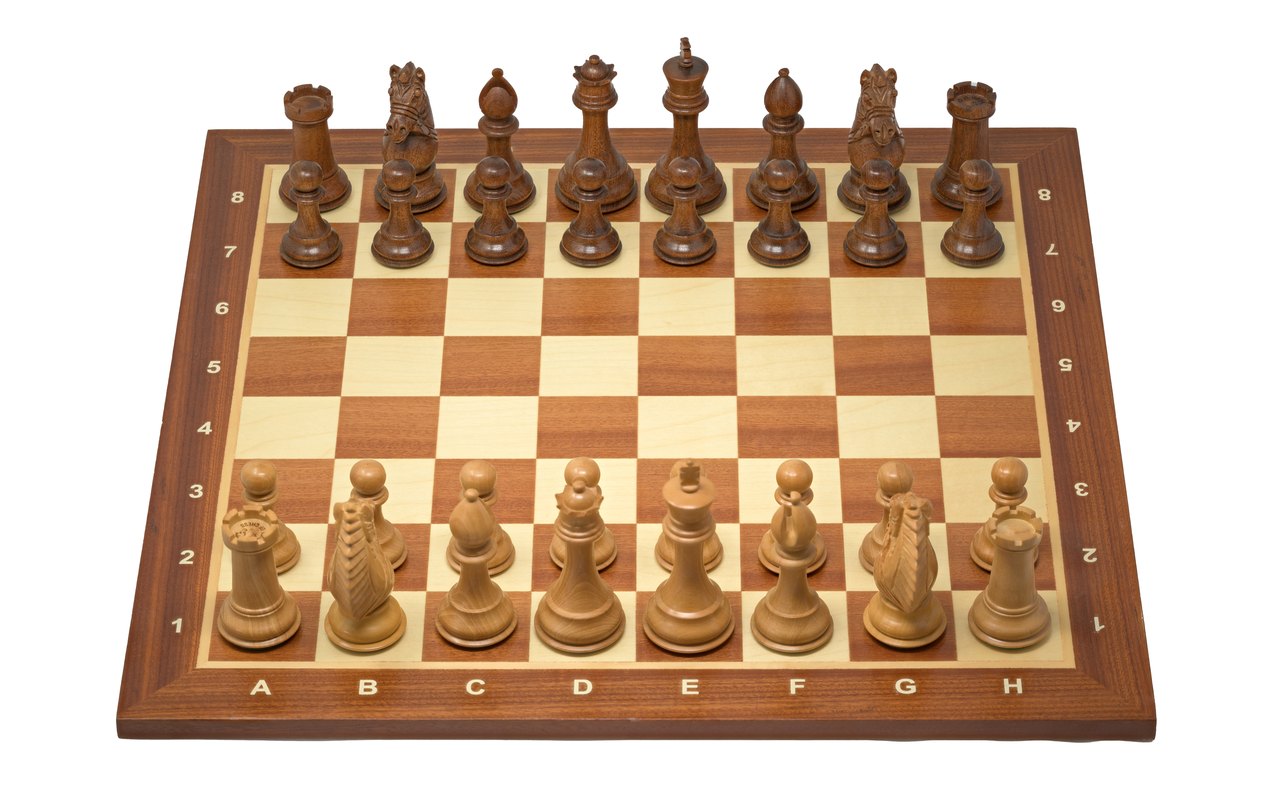
Lynda Mullaly Hunt makes the midpoint turn through mentor, symbol, and point rather than through explanation alone. Mr. Daniels’s choice to teach Ally CHESS instead of assigning more reading is brilliant, and the game becomes a rich symbol. Chess is a ‘school’ activity that is entirely about the kind of intelligence Ally has in abundance — picturing patterns, thinking several moves ahead in space, seeing the whole board at a glance. When Ally sits down at a chessboard and wins, she experiences something new: being GOOD at something the smart kids respect. The game is a bridge, letting her feel powerful at school while her reading is still catching up. Watch how chess builds the confidence that makes the hard reading work possible. That authorial design makes “Chess, the Game of Ally’s Mind” a lesson in deliberate symbolism.
The scenes where Mr. Daniels asks his careful questions and Ally is tested show, in miniature, how dyslexia is really identified. It rarely announces itself; instead, an observant teacher or parent notices the signs — a bright child who avoids reading, who reads far below the level of their talk and ideas, who reverses letters or loses their place, who finds reading exhausting. The next step is a formal evaluation, in which a specialist gives a series of tests measuring how the child connects letters to sounds, remembers spoken information, and reads words, and compares the results with the child’s clear intelligence in other areas. That last comparison is the one that matters, and nobody made it until fifth grade. Ally had been failing on paper and succeeding out loud for years. The evaluation does not discover a new fact about her; it puts two facts that were always visible into the same sentence.
Think back over these chapters. A teacher leans down and asks, quietly, whether the words hurt Ally’s head and whether the letters slide around — and a girl who has spent her whole life sure she was uniquely, secretly stupid understands, in a rush, that someone finally SEES. He gives the thing a name, and the name is not an insult. He sits her at a chessboard instead of a worksheet, and she wins, and the winning feels like proof she is real. A test confirms what the name promised: her mind is fine; it just reads a different way. And a door that Ally never knew was there swings quietly open.
The quiet scene in which Mr. Daniels asks his careful questions shows how dyslexia is usually discovered. It rarely announces itself with an obvious sign. Instead, an observant adult — a teacher, or a parent — begins to notice a pattern that does not add up. A child seems clearly bright in conversation, full of ideas and understanding, yet reads far below that level. The same child may avoid reading whenever possible, lose their place on the page, mix up similar letters, or come away from a short passage exhausted. When a smart child and slow reading do not match, dyslexia is one likely reason.
Noticing the pattern is only the first step; to be sure, the child is given a formal evaluation by a specialist. In it, tests measure the exact skills involved in reading — how well the child connects letters to sounds, holds spoken information in memory, and recognizes words — and the results are compared with the child’s ability in other areas. When the tests reveal a specific, unexpected weakness in reading beside strong general intelligence, they confirm a diagnosis of dyslexia. Far from being a label of failure, a diagnosis comes as a relief. It explains the gap between what the child can do and how they read; it replaces the cruel story that the child is lazy or stupid; and it opens the door to a strategy built for how that child’s brain learns. A diagnosis, in short, does not close a door on a child like Ally — it unlocks one.
“For the child, hearing the name can feel less like a verdict than like a relief.”
This writing task is optional and is not part of your auto-graded score. The feedback below checks only the basics — length, spelling, and grammar — not whether your ideas are right or wrong. It is meant for classroom discussion and creative practice, so feel free to use your imagination!
Writing Task — Part 4 “Naming It”
When Ally’s struggle finally gets a name, she feels relief instead of shame. Write about a time understanding WHY something was hard for you made it easier to face. What was the problem, what helped you understand it, and how did understanding change things? 6–10 sentences. End with why naming a problem can help.
No right or wrong — close the screen and tell someone nearby what happened in this part. Can’t find anyone? Tell yourself out loud. The moment you teach it, you truly understand it.


Part 4 Complete!
You finished Chapters 20–25 of Fish in a Tree.
Here are your auto-graded results:
The best last step is to teach it. In your own words, explain what happened — retell a favorite scene, teach a character’s big choice, or sum up the main idea for a parent, friend, or classmate. When you can teach it clearly, you truly own it.
Independent study guide by Garden Heights. Not affiliated with or endorsed by Lynda Mullaly Hunt. Contains original analysis only; no text from the novel is reproduced. Reference text: This workbook follows Lynda Mullaly Hunt’s classic text (the standard Puffin edition sold worldwide). Revised 2023 UK editions change some wording and may not match the vocabulary studied here.