New here? Just sign up with Google — your account includes Matilda, our gift book, forever.
The Giver · Garden Heights Academy
Part 6
for The Giver · Part 6 · Chapters 16–18
a novel by Lois Lowry
35 min5 Parts
This workbook is built on a solid pedagogical foundation, effectively integrating content and language learning based on the CLIL framework (Content and Language Integrated Learning), elevated by our unique 5th C — Connection — and an integrated Standardized Test section that weaves every SAT & TOEFL question type right into the novel, so learners build real test skills easily, naturally, and with fun.
What Happens in Part 6
A memory of family love shows Jonas what his own home lacks, and Rosemary's story reveals the risk.
The favorite memoryTo ease the pain, The Giver offers his favorite memory: a room with firelight and snow outside, colored lights, gifts, and grandparents — people the Community has no place for at all. The feeling filling the room is love, and Jonas has never once met it.
Choosing to feelWanting to keep feelings like that, Jonas quietly stops taking his pill. The Stirrings come back, and so does everything else the pill had flattened. He tells no one. For the first time he is breaking a Community rule on purpose, and choosing to.
A question at dinnerAt the evening meal Jonas asks his parents whether they love him. They correct him kindly: the word is imprecise, obsolete, very nearly meaningless. His mother suggests he means enjoy, or take pride in. Jonas answers that he understands, which is a lie.
Rosemary's five weeksThe Giver finally speaks about the previous Receiver-in-training, Rosemary — his own daughter. After five weeks she asked to be released, and the memories she had been given flooded back into a Community that had no idea how to hold them.
What We Will Learn
Focus
What It Means
Theme
Love, family, and what the Community has lost
Character (Change)
Jonas stops the pills and starts to rebel quietly
Backstory
Rosemary, the Receiver who came before Jonas
Chapter Summary
Chapter
Key Events
Ch.16
The Giver shares a memory of a loving family holiday; Jonas feels love and stops taking his pills
Ch.17
At dinner Jonas asks his parents if they love him; they call the word obsolete and meaningless
Ch.18
The Giver tells Jonas about Rosemary, the previous Receiver, whose release flooded memories back
💭 Before You Read · Warm-Up (not scored)
There are no wrong answers here — just think, guess, and talk:
Is there a word your grandparents use that you never do — or a word you use that they would not understand?
If the word ‘love’ disappeared from your language tomorrow, would the FEELING disappear too? Why or why not?
The Giver once trained another student, before Jonas. Predict: what do you think happened?
Copyright Notice
This is an independent study guide created by Garden Heights Academy to support reading comprehension and literary analysis. It contains original analysis questions and does not reproduce any text from the novel. The Giver is a work by Lois Lowry. This guide is not affiliated with, authorized by, or endorsed by the author or any associated rights holders. Students should read the original book, available from libraries and booksellers.
Part 1
Vocabulary
Study 10 key words from Chapters 16–18, then answer each question.
🧠Knowledge Bank · The Chemistry of Growing Up
Endocrinology · Hormones and Adolescence
Adolescence is triggered by chemistry. A region of the brain called the hypothalamus begins releasing pulses of a signaling molecule, which prompts the pituitary gland to send hormones through the bloodstream to the ovaries or testes. Growth accelerates, sleep shifts later, and emotional intensity rises well before the prefrontal cortex — the brain’s planner and brake — finishes maturing in the mid-twenties. That mismatch, not weakness of character, explains much of adolescent risk-taking. Medicines can interrupt the sequence. Drugs that block those pituitary pulses are used to treat unusually early puberty and, more recently and controversially, to delay it, and stopping that chemistry also stops the puberty that would have followed. Any society that medicated the whole process away would gain calm and lose something specific: the appetite, restlessness and attachment that push a young person to reach past the life already arranged.
cherishv.Ch.16
To love and treasure
“Jonas learned to cherish the memory.”
affectionn.Ch.16
A feeling of fondness or love
“The family showed warm affection.”
obsoleteadj.Ch.17
No longer used; outdated
“His parents called ‘love’ obsolete.”
holidayn.Ch.16
A special day of rest and celebration
“The memory was of a family holiday.”
previousadj.Ch.18
Coming before
“Rosemary was the previous Receiver.”
floodv.Ch.18
To rush in or overflow all at once
“Her memories flooded back.”
unbearableadj.Ch.18
Too painful to put up with
“The pain was unbearable for Rosemary.”
secretlyadv.Ch.17
In a hidden way
“Jonas secretly stopped his pills.”
devotionn.Ch.16
Deep love and loyalty
“The family was full of devotion.”
grandparentsn.Ch.16
The parents of your parents
“The Community has no grandparents.”
ⓘ The vocabulary words in this list are selected to help you understand and complete this workbook. Some may not appear verbatim in the original novel.
🧠Knowledge Bank question
1According to the Knowledge Bank, what would a society lose if it medicated adolescence away?Ch.16
2True or False: “Affection” is a feeling of fondness or love.Ch.16
3Something “obsolete” is ___.Ch.17
4True or False: A “previous” Receiver is one who came after Jonas.Ch.18
5Fill in each blank with the correct word.Ch.16
Word choices:cherishaffectionobsoleteholiday- some words will not be used
Jonas learned to the warm of a loving family.
6True or False: To “flood” back is to rush in all at once.Ch.18
7Too painful to put up with means ___.Ch.18
8True or False: To do something “secretly” is to do it openly for all to see.Ch.17
9Fill in the blanks with the correct words.Ch.18
Word choices:previousfloodunbearablesecretly- some words will not be used
When the Receiver was lost, memories began to back.
10Deep love and loyalty is ___.Ch.16
Part 2
Comprehension
How well do you understand Chapters 16–18?
🧠Knowledge Bank · Who Counts as Family
Social History · Kinship and Elders
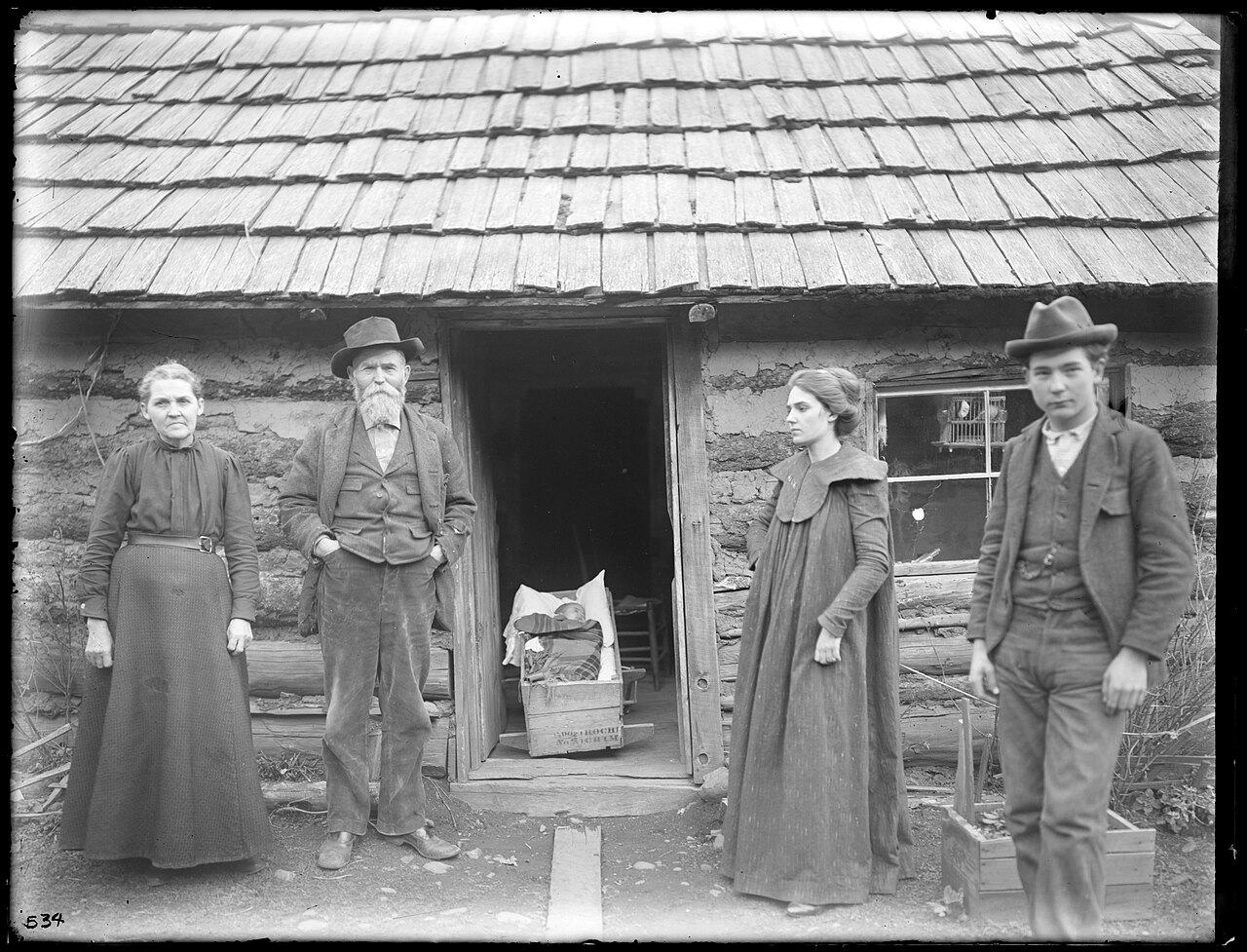
Family is a legal and social invention as much as a biological fact, and its shape has changed repeatedly. Historians of Europe find that the isolated household of parents and children is comparatively recent; earlier households mixed servants, apprentices, lodgers and relatives, and grandparents commonly lived among them. Anthropologists studying hunter-gatherer groups describe the same breadth and connect it to the grandmother hypothesis: humans are unusual in living decades past the end of childbearing, and one explanation is that grandmothers who feed and teach grandchildren raise the number who survive. Industrialization, pensions and separate elder housing narrowed the household again. Nothing in the arrangement is inevitable. A community can decide that the old live apart and that children see them rarely, and it will function; what it gives up is the everyday transmission of memory from people who cannot be replaced by a record.
Visual AidA household with three generations in it
Photograph by Lee Moorhouse of the Hager family outside their cabin near Bingham Springs, Oregon, around the turn of the twentieth century, with parents, grandparents and a baby in one frame. It shows the arrangement the Knowledge Bank calls ordinary for most of history and comparatively recent to abandon: the old inside daily life rather than housed apart from it. A posed photograph is not evidence of how a household actually worked, and one family proves nothing about a period. Notice how little separates the generations here — no distance, no institution, and nobody had to visit.
Lee Moorhouse, Hager family outside their cabin near Bingham Springs, Oregon, c. 1900; Lee Moorhouse photographs, University of Oregon Libraries, via DPLA. Source: Wikimedia Commons, public domain.
🧠Knowledge Bank question
1The Knowledge Bank explains the grandmother hypothesis as the idea that —Ch.16
2What feeling does Jonas experience for the first time?Ch.16
3What does Jonas ask his parents at dinner?Ch.17
4True or False: Jonas’s parents say the word ‘love’ is meaningless and obsolete.Ch.17
5Write the numbers 1–5 in the boxes to show the correct order of events in Part 6.Ch.16–18
Jonas asks his parents if they love him, and they dismiss the word.
Jonas secretly stops taking his daily pills to keep feeling.
The Giver shares a warm memory of a loving family holiday.
Jonas feels real love for the first time.
The Giver tells Jonas about Rosemary, the previous Receiver.
6True or False: Jonas decides to keep taking his pills so he will not feel.Ch.17
7Who was Rosemary?Ch.18
8What happened when Rosemary was released?Ch.18
9True or False: The Community has grandparents and uses the word ‘love.’Ch.16
10Fill in the blanks.Ch.16–18
Word choices:lovepillswarcolor- some words will not be used
Jonas felt for the first time, and secretly stopped taking his .
Part 3
Literary Elements
Understanding HOW and WHY Lois Lowry creates certain feelings across Chapters 16–18.
🧠Knowledge Bank · The Image That Keeps Returning
Literary Craft · Motif
A motif is an image, object or phrase a writer repeats so that it gathers meaning it did not have the first time. Motifs differ from symbols in that they earn their significance through recurrence rather than announcing it. Light and warmth are among the oldest in English literature, and their power comes from a physical fact: humans read warmth as safety long before they read it as an idea. When a novel returns to firelight, to a colored object or to a particular sound at intervals, it is training the reader to feel a response before understanding it. The technique is a form of rhythm, and like rhythm it works best slightly below conscious notice. Track one repeated image through Part 6 and note how much heavier it lands on its third appearance than on its first — the words are unchanged, and everything the reader brings to them has accumulated.
Visual AidHow a repeated image gathers weight
Structure diagram of the effect the Knowledge Bank calls a motif: the same words return, and each return lands harder than the last because the reader has accumulated everything in between. The growing bars are an illustration of that feeling and measure nothing — there is no unit for how heavily an image lands, and a real motif can fade rather than build if a writer overuses it. Three appearances are shown because three is enough to establish a pattern; a novel may use many more. Notice that the label on every bar is identical. The change being drawn is entirely in the reader.
Motif, recurrence and the difference between a motif and a symbol, as set out in the Knowledge Bank and in standard literary-craft references. Drawn for Garden Heights Academy.
📚 Literary Devices in This Part · definitions & examples
Jonas struggles between his true feelings and the Community’s rules.Rosemary’s story is backstory that explains the Receiver’s risks.A central theme shines through: love gives life meaning.
The questions below are mixed — not grouped by device. Decide which device each one is about.
🧠Knowledge Bank question
1According to the Knowledge Bank, how does a motif differ from a symbol?Ch.16–18
2Backstory is earlier events that explain the present story.Ch.16–18
3Fill in each blank with the correct word.Ch.16–18
Word choices:conflictbackstorythemesetting- some words will not be used
Jonas torn between his heart and the rules faces an inner
Rosemary’s earlier story that explains the risks is .
4Rosemary’s story mainly serves as —Ch.16–18
5A theme is a big idea a story explores, like love giving life meaning.Ch.16–18
6Fill in each blank with the correct word.Ch.16–18
Word choices:themeconflictbackstorymood- some words will not be used
The idea that love gives life meaning is a central
Jonas’s clash between feeling and rule is his inner .
7That love gives life meaning is the chapter’s central —Ch.16–18
8Rosemary’s past explaining the Receiver’s danger is —Ch.16–18
9Fill in each blank with the correct word.Ch.16–18
Word choices:conflictthemebackstoryplot- some words will not be used
Jonas’s inner struggle with the rules is a
The big idea that love matters most is the .
10Jonas asking his parents ‘Do you love me?’ mainly sharpens the —Ch.16–18
Part 4
Think Deeper
Four deeper challenges — no single-word recall. Read, weigh the evidence, and reason it through.
🧠Knowledge Bank · Why Communities Keep Holidays
Cultural History · Festivals and Memory
Holidays are memory technology. Sociologist Emile Durkheim argued that gatherings which pull a whole community into the same act at the same time produce what he called collective effervescence — a shared feeling that binds strangers into a group. The content varies enormously; the mechanism does not. A midwinter festival of lights appears across unrelated cultures because the astronomical fact underneath is the same, and because a dark season is when a group most needs a reason to assemble. Historians add that holidays are also arguments about the past: what a nation chooses to commemorate, and what it lets fall out of the calendar, is a decision about which version of its history the next generation will inherit as ordinary. A community with no festivals is not merely duller. It has removed the recurring occasion on which its members practice being a we, and it has no shared date on which to remember.
1Claim: “Jonas discovers that his Community has no real love.” — choose the two details that best prove it.Claim & Evidence
2The warmth of the memory, or the coldness of Jonas’s real life? Tap each item to sort it — tap again to switch sides. You can keep tapping to change your answer.Sort into two
◄ Warmth of the memoryColdness of real life ►
3Match each cause to its result. For each cause, pick its result.Cause & Effect
The Giver shares the holiday memory→
Jonas treasures the new feeling→
Jonas asks if his parents love him→
Jonas compares memory and reality→
🧠Knowledge Bank question
4Fill both blanks to complete the reasoning.Build the Argument
The Knowledge Bank argues that a community without festivals loses something specific because , which shows that .
Part 5
Standardized Test
Reference & Sentence Simplification — SAT & TOEFL-style practice
Read the passage — the highlighted words are tested — then answer. Tap an answer, then tap it again to confirm.
SATWords in Context — a word's meaning in this passage
SATInference — a conclusion the passage implies
TOEFLFactual Information — a fact stated in the passage
TOEFLReference — what a pronoun refers to
TOEFLSentence Simplification — the shorter sentence that keeps the meaning
TOEFLProse Summary — the three sentences that sum it up
Words That Slowly Disappear
Languages are alive — and like living things, their words can die. When a word stops being used, dictionaries first label it <i>rare</i>, then <i>archaic</i>, and at last it may vanish from new editions altogether; the word has become obsolete. English has lost thousands of words this way: <i>overmorrow</i>, for example, once meant “the day after tomorrow,” and then simply fell out of use. Usually nobody decides this; people stop needing a word, and it quietly leaves. But when a community loses a word, it loses a little of what that word could express — a shade of meaning the next generation may never think to feel.
Yet words can be rescued. Word-lovers cherish old words and preserve them in dictionaries and books, where they wait for someone to need them again. Whole languages have even been brought back: Hebrew, once used mainly in prayer, was revived as an everyday language and is now spoken by millions. Today, linguists race to record thousands of endangered languages — each one a library of songs, jokes, and knowledge with no copy anywhere else. Their rule is simple, and worth remembering: a word you keep using can never be taken from you.
Some lost words leave clues behind. A word like <i>overmorrow</i> still lives on in other languages — German keeps <i>übermorgen</i> for the very same idea — so translators sometimes borrow one to fill an English gap. New words arrive constantly too, from science, slang, and the internet, so the total keeps shifting year by year. A language, in the end, is less a fixed list than a busy river, always losing old water and gaining new.
Original passage written for Garden Heights — not a quotation from the novel.
1According to the passage, what happens first when a word fades from use?TOEFL · Factual Information
2In the passage, “obsolete” most nearly means —SAT · Words in Context
3What did “overmorrow” once mean?TOEFL · Factual Information
4In the passage, to “cherish” old words is to —SAT · Words in Context
5In paragraph 1, the word “it” in “it loses a little of what that word could express” refers to —TOEFL · Reference
6To “preserve” old words is to —SAT · Words in Context
7Which language does the passage say was revived into everyday speech?TOEFL · Factual Information
8The passage suggests the surest way to save a word is to —SAT · Inference
9Which sentence best keeps the meaning of: “each one a library of songs, jokes, and knowledge with no copy anywhere else”?TOEFL · Sentence Simplification
10This TOEFL task lists six sentences; choose the THREE that best capture the passage’s main ideas. The other three do not belong — they state minor details or ideas the passage does not present.TOEFL · Prose Summary
Part 6 · Optional
Creative Writing
A bonus challenge to practice your English. Take your time and have fun with it.
About This Section
This writing task is optional and is not part of your auto-graded score. The feedback below checks only the basics — length, spelling, and grammar — not whether your ideas are right or wrong. It is meant for classroom discussion and creative practice, so feel free to use your imagination!
Writing Task — Part 6 “What Love Means”
Jonas experiences love for the first time, something his Community has lost. Write about what love means to you and how the people you love show it. Why would a world without love feel empty? Write at least 40 words.
You can start with: “To me, love means…”
0 / 40 words minimum
🗣 Teach It · Just for Fun (optional)
No right or wrong — close the screen and tell someone nearby what happened in this part. Can’t find anyone? Tell yourself out loud. The moment you teach it, you truly understand it.
Part 6 Complete!
You finished Chapters 16–18 of The Giver.
Here are your auto-graded results:
-
points out of 100
Teach it to someone
The best last step is to teach it. In your own words, explain what happened — retell a favorite scene, teach a character’s big choice, or sum up the main idea for a parent, friend, or classmate. When you can teach it clearly, you truly own it.
Independent study guide by Garden Heights Academy. Not affiliated with or endorsed by the author or any rights holders. Contains original analysis only; no text from the novel is reproduced.
SAT® is a registered trademark of College Board, which is not affiliated with, and does not endorse, these materials. TOEFL® is a registered trademark of ETS. These materials are not endorsed or approved by ETS. Garden Heights is an independent provider of test-style reading practice.