New here? Just sign up with Google — your account includes Matilda, our gift book, forever.
Hoot · Garden Heights
Part 2
for Hoot · Part 2 · Chapters 4–6
8 Parts40 min
What Happens in Part 2
Roy decides he would rather settle trouble than dodge it: he apologizes to Beatrice Leep at lunch, pays Garrett a dollar for an address, and delivers an apology to the Matherson house. Meanwhile Officer Delinko parks at the staked lot before dawn, meets a pair of small owls standing near their holes, and then falls asleep — waking to windows sealed with black spray paint and the survey stakes pulled up again. When Roy learns that the school will not punish Dana, he turns to the other mystery. In the brush past the golf course he finds a smoldering camp, garbage bags holding clean clothes and live cottonmouths, and then a rope, a hood, and a boy who gives one nickname and nothing else: Mullet Fingers. Chapter 6 puts the lot in the newspaper — paint, pulled stakes, alligators in the portable toilets — and puts Delinko behind a desk for a month. Roy bikes back toward the site with a shoebox, is warned off by a bald foreman, finds the camp cleared out, loses his bike in a thunderstorm, and hears a voice behind him on the road.
What We Will Learn
Section
What you will practice
Vocabulary
Sabotage and watchfulness words: vandalism, burrow, stakeout, reprimand, truancy…
Literary Elements
Dramatic irony, comic escalation, and a boy who gives only a nickname
Cross-Curricular
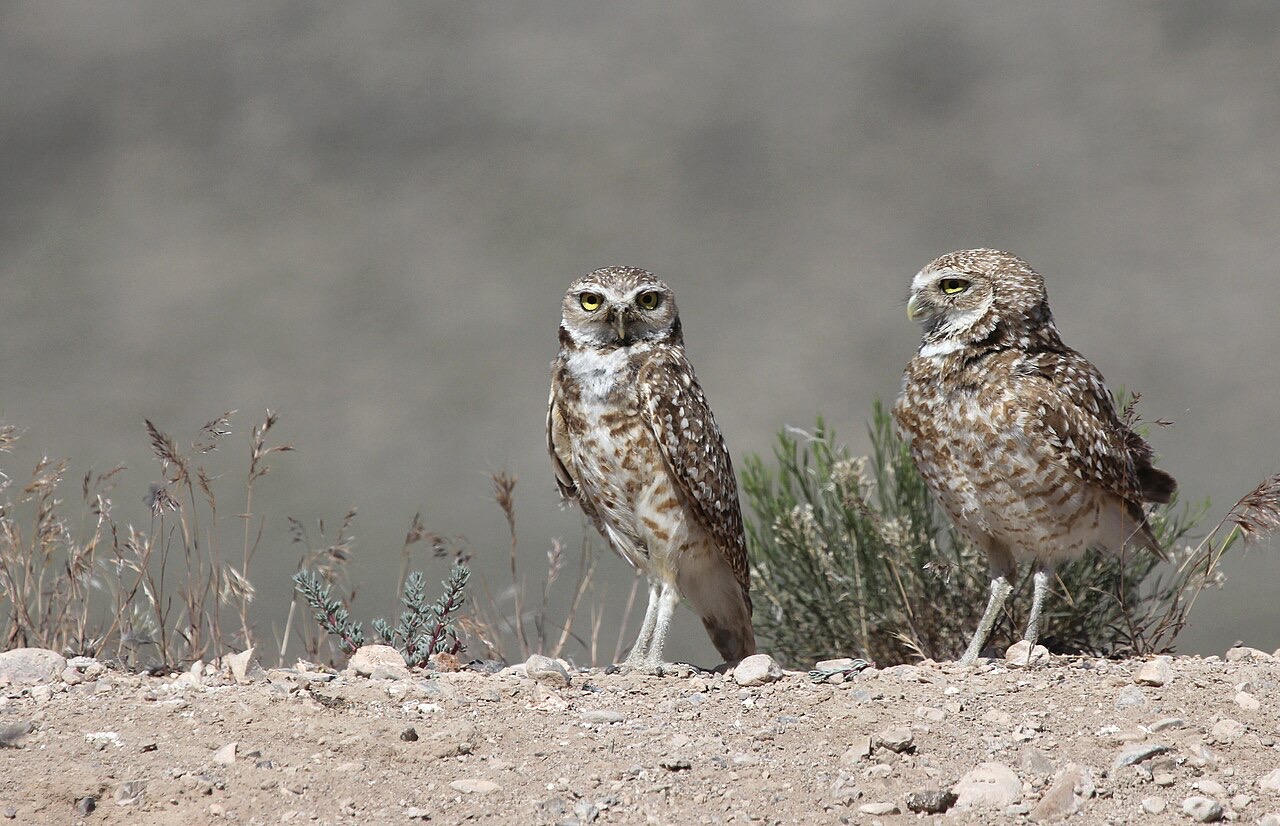
The burrowing owl — the owl that nests underground
Chapter Summary
Ch.
What happens
4
An Apology, and a Blacked-Out Cruiser — Roy makes peace with Beatrice Leep at lunch, buys Dana’s address from Garrett for a dollar, and delivers an apology to the Matherson house; Officer Delinko parks at the staked lot before dawn, notices a pair of small owls standing near their holes, dozes off, and wakes to windows sealed with black spray paint and the survey stakes pulled up again.
5
Hooded in the Brush — the school decides not to punish Dana, so Roy follows the other mystery instead: a smoldering camp in the thick growth past the golf course, garbage bags holding trash, clean clothes, and live cottonmouths with glittering tails — then a rope, a hood over his head, and a boy who offers one nickname, Mullet Fingers, and no facts at all.
6
Headlines and a Missing Bike — the newspaper turns the lot into a running joke (paint, pulled stakes, alligators in the portable toilets); the captain hands Delinko a month of desk duty and a repair bill; Roy carries a shoebox back toward the site, is warned off by a bald foreman, finds the camp cleared out, loses his bike in a downpour, and hears a voice behind him on the road.
Part 1
Vocabulary
Study 10 key words from Chapters 4–6, then answer each question.
📚Knowledge Bank · The Vocabulary of Burrows
Life Science · Owl TerminologyNaturalists keep precise words for animals that live below the surface. An animal that digs and shelters underground is fossorial, and the tunnel it makes is a burrow. To dig that tunnel out is to excavate it, which matters here because Florida burrowing owls usually dig their own homes, while many western relatives simply move into holes abandoned by prairie dogs. Beside a burrow entrance sits a low mound of loose sand, and the mound doubles as a perch where one adult stands watch as a sentry while its mate stays below with the eggs. Field guides also call these owls crepuscular, a term for animals most active in the dim hours near sunrise and sunset, although burrowing owls hunt in bright daylight too. Notice that every one of these words names a behavior rather than a body part. Learning them lets a reader picture what actually lies under the staked ground Officer Delinko patrols in Ch.4: sand, a bend in the passage, eggs, and a nesting chamber.
vandalismn.Ch.4–6
Deliberate damage done to property
“The vandalism at the empty lot kept getting bolder.”
burrown.Ch.4
A hole or tunnel an animal digs for shelter
“A small owl stood beside its sandy burrow at dawn.”
stakeoutn.Ch.4
A long, hidden watch kept on a place
“His stakeout ended in a nap and a ruined car.”
reprimandn.Ch.6
A sharp, official scolding
“The captain’s reprimand came with a month of desk duty.”
truancyn.Ch.6
Staying away from school without permission
“Roy asked about truancy without explaining why.”
venomousadj.Ch.5
Able to inject poison with a bite or sting
“The bag held venomous snakes with glittering tails.”
dreadn.Ch.4
Heavy fear of something that is coming
“Monday morning arrived carrying its own dread.”
relentlessadj.Ch.4–6
Never letting up or stopping
“The sabotage was relentless, and nobody could explain it.”
bluffv.Ch.6
To pretend, in order to scare someone off
“A foreman can bluff about guard dogs he does not have.”
waryadj.Ch.5
Watchful and slow to trust
“The barefoot boy stayed wary of every friendly question.”
ⓘ The vocabulary words in this list are selected to help you understand and complete this workbook. Some may not appear verbatim in the original novel.
1Deliberate damage done to property is ___.Ch.4–6
2A ‘venomous’ snake can inject poison with its bite.Ch.5
3A long, hidden watch kept on a place is a ___.Ch.4
4Fill in each blank with the correct word.Ch.4–6
Word choices:truancyburrowbluffdread- some words will not be used
Roy asked his father about without explaining why.
A small owl stood beside its sandy at dawn.
5A sharp, official scolding is a ___.Ch.6
6Watchful and slow to trust is ___.Ch.5
7Something ‘relentless’ stops on its own after a short while.Ch.4–6
8Fill in the blanks with the correct words.Ch.4–6
Word choices:dreadbluffwaryvenomous- some words will not be used
Monday morning arrived carrying its own .
A foreman can about guard dogs he does not have.
9Which word best describes the sabotage across Ch.4–6?Ch.4–6
10The damage at the pancake-house lot is random mischief with no purpose behind it.Ch.4–6
Part 2
Comprehension
Show you understood what happens in Chapters 4–6.
📋Knowledge Bank · How an Owl Nests Underground
Life Science · Nesting BehaviorA burrowing owl weighs about six ounces and stands roughly nine inches tall, so its home is far smaller than most readers expect. A typical tunnel runs only four to eight feet in from the entrance and rarely sinks deeper than three feet, bending once or twice before it opens into a widened nest chamber. Pairs usually keep one main hole plus a nearby satellite hole, and they line the entrance and chamber with shredded grass, feathers, and even dry manure. Because the nest sits at ground level, the adults trade jobs: one broods the eggs while the other stands on the entrance mound, watching for hawks, dogs, and snakes, then drops underground the instant it sees trouble. Food comes from close by, since these owls hunt on foot as readily as on the wing, chasing beetles, grasshoppers, and crickets through short grass and taking lizards, frogs, and mice near dawn and dusk. The whole arrangement is cheap, efficient, and utterly dependent on ground that stays undisturbed.
1Why does Roy apologize to Beatrice Leep in the cafeteria in Ch.4?Ch.4
2How does Roy get Dana Matherson’s home address?Ch.4
3Officer Delinko stays awake through his whole watch at the lot in Ch.4.Ch.4
4What do the vandals do to Officer Delinko’s patrol car?Ch.4
5Write the numbers 1–5 in the boxes to show the correct order of events in Chapters 4–6. Number 1 = what happens first.Ch.4–6
Roy is hooded in the brush and told the name Mullet Fingers.
The newspaper turns the sabotage at the lot into a story.
A downpour leaves Roy walking home without his bike.
Delinko dozes off and wakes to a blacked-out cruiser.
Roy apologizes to Beatrice and delivers a letter to Dana.
6The newspaper article Roy’s father reads mentions alligators in the portable toilets.Ch.6
7What does Roy find inside the garbage bags at the hidden camp in Ch.5?Ch.5
8What punishment does Officer Delinko receive in Ch.6?Ch.6
9When Roy returns to the golf-course woods in Ch.6, the camp is exactly as he left it.Ch.6
10Why does Roy stop pushing the school to punish Dana?Ch.5
Part 3
Literary Elements
Understanding HOW and WHY Carl Hiaasen tells the story across Chapters 4–6.
🧠Knowledge Bank · A Motive Hidden in Plain Sight
Literary Craft · Dramatic IronyHiaasen spends these chapters laying a reason for the sabotage on the page while making sure no adult picks it up. In Ch.4 Officer Delinko walks the staked lot, notices the small owls near their holes, decides they are pleasant company, and then falls asleep. Readers who register that moment hold a piece of knowledge the police, the foreman, and the newspaper do not, and that gap is the definition of dramatic irony. The comedy of Ch.6 depends on it, because alligators in the portable toilets make a funny headline only so long as reporters chase the prank and never ask what the empty ground contains. Hiaasen also keeps the saboteur offstage, letting him surface as a barefoot boy with a nickname, so the reader assembles a motive before ever meeting a suspect. Two devices work together here, a planted detail and a withheld identity, and both produce the same effect: suspense built not out of noise but out of omission.
Dramatic irony
Delinko stands among the small owls in Ch.4 and sees only birds — the reader is handed the motive he walks past.
Comic escalation
Stakes, then black paint, then alligators in the toilets: each stunt tops the last, and the newspaper plays it as farce.
Withheld identity
The boy in the brush gives Roy a nickname and nothing else — the gap is what pulls the plot forward.
1The owls Officer Delinko notices in Ch.4 work in the story as ___.Ch.4
2Fill in each blank with the correct literary term.Ch.4–6
Word choices:ironyescalationrhymesequel- some words will not be used
Delinko misses what the reader sees, which is dramatic .
Stakes, then paint, then alligators — that pattern is comic .
3Hiaasen keeps the saboteur offstage in Ch.4 and Ch.6 mainly to ___.Ch.4–6
4The newspaper story in Ch.6 treats the sabotage as a serious mystery with a clear motive.Ch.6
5The hood over Roy’s head in Ch.5 lets Hiaasen ___.Ch.5
6Naming the boy only ‘Mullet Fingers’ is a way of ___.Ch.5
7Roy’s calm during the ambush is explained by a memory of a bear in Montana.Ch.5
8Fill in the blank with the correct literary term.Ch.5
Word choices:withheldannouncedborrowedrhymed- some words will not be used
The boy’s real name is through these chapters.
9Hiaasen uses the same comic tone for the sabotage and for Roy’s fear of Dana.Ch.4–6
10Chapters 4–6 mainly work to ___.Ch.4–6
Part 4
Think Deeper
Four deeper challenges — no single-word recall. Read, weigh the evidence, and reason it out.
💡Knowledge Bank · Weighing a Nine-Inch Bird
Environmental Ethics · Cost and ValueHow should a town weigh a nine-inch owl against a pancake house that promises jobs, taxes, and parking? One answer counts only what fits on a ledger, and by that test the bird loses instantly. A fuller accounting adds what the burrow itself provides: a single owl pair eats thousands of insects in a season, and abandoned burrows go on sheltering lizards, toads, and beetles that keep dry Florida grassland working. It also weighs time, because a restaurant can be built on another corner next year, while a nesting colony scraped away by one machine is irreversible on any human schedule. That difference is a real asymmetry rather than sentiment. Careful reasoning here means naming the tradeoff out loud instead of pretending that one side costs nothing, and it means noticing who never gets asked, since the owls cannot testify and somebody has to speak for the ground. Damage that nobody records still happened, and choosing not to look is itself a choice, which is why these chapters finally ask about stewardship.
Think back over these chapters. A patrol car sits at the edge of a staked, weedy lot before sunrise, and two small owls stand in the sand like short brown fence posts, watching the officer inside yawn. He notices them, decides they are good company, and closes his eyes. When he opens them the windows are black, the stakes are gone, and the morning is loud with a foreman’s shouting. Across town a boy with no shoes ties a hood over a newcomer’s head, offers a nickname instead of a name, and vanishes into the brush. Two puzzles, one small town, and not a single adult asking what that empty ground is actually for.
Original passage written for Garden Heights — not a quotation from the novel.
1Claim: “Hiaasen lets the reader see a motive for the sabotage that none of the adults notice.” — choose the two details that best prove it.Claim & Evidence
2Sabotage at the pancake-house lot, or Roy’s hunt for the running boy? Tap each detail to send it left or right.Sort into two
◄ Sabotage at the pancake-house lotRoy’s hunt for the running boy ►
3Match each cause to its result. For each cause, pick its result.Cause & Effect
Delinko sleeps through his dawn watch at the lot→
The school decides not to discipline Dana→
Roy pushes into the brush past the golf course→
A thunderstorm breaks over the East Oriole side→
4Fill both blanks to complete the reasoning.Build the Argument
Officer Delinko spends a whole pre-dawn watch at the lot and still learns nothing, because , which shows that .
Part 5
Standardized Test
Reading passage · The Owl That Lives Underground · Words in Context & Central Ideas · SAT & TOEFL-style practice
🎯 You already have the skills from the sections above — this is just a fun way to meet real SAT & TOEFL-style questions. Read the passage (the highlighted words are tested below), then answer the questions below. Tap an answer to select it, then tap it again to confirm — you can change your choice until you confirm.
Most owls raise their young high off the ground, in tree cavities or in nests other birds abandoned. The burrowing owl does the opposite. Standing about nine inches tall, with long bare legs and bright yellow eyes, it lays its eggs in a tunnel under open ground. In Florida the birds usually excavate those tunnels themselves, kicking sand backward with their feet until the passage bends and widens into a chamber. Populations farther west more often move into holes that prairie dogs or ground squirrels have left behind.
The house itself is smaller than most people expect. A typical tunnel runs only four to eight feet in from the entrance and rarely sinks deeper than three feet. A low mound of loose soil sits at the mouth of it, and that mound serves as a perch. While one parent broods the eggs below, its mate often stands there as a sentry, scanning for hawks, dogs, and snakes and bobbing sharply when something moves. Burrowing owls also hunt in daylight, chasing beetles, grasshoppers, and crickets on foot and taking lizards, frogs, and mice near dawn and dusk.
Nesting on the ground also makes these owls unusually vulnerable. A nest in a tree is hard to reach, while a burrow can be filled, mowed, or crushed by one machine in an afternoon. They are easy to miss for the same reason they are easy to erase: they favor the flat, cleared land people choose for pastures, ball fields, and building lots. Federal law protects them, and Florida lists the local subspecies as threatened, so wrecking an active burrow is a legal matter too. Protection still depends on somebody recognizing a hole in the dirt.
Original passage written for Garden Heights — not a quotation from the novel.
1What is the main idea of the passage?SAT · Central Ideas
2In Florida, burrowing owls usually get their tunnels by ___.TOEFL · Factual Information
3In the passage, to excavate a tunnel is to ___.SAT · Words in Context
4About how long is a typical burrowing-owl tunnel?TOEFL · Factual Information
5In the passage, a sentry is ___.TOEFL · Vocabulary
6According to the passage, burrowing owls hunt ___.TOEFL · Factual Information
7In the passage, vulnerable means ___.SAT · Words in Context
8Prose Summary (TOEFL).The passage explains how burrowing owls nest and why that choice leaves them exposed. This TOEFL task lists six sentences; choose the THREE that best capture the passage’s main ideas. The other three do not belong — they state minor details or ideas the passage does not present.TOEFL · Prose Summary
9Why does the passage say these owls are easy to overlook?SAT · Inference
10Which detail from Ch.4 does this passage BEST explain?SAT · Inference
Part 6 · Optional
Creative Writing
A bonus challenge to practice your English. Take your time and have fun with it.
About This Section
This writing task is optional and is not part of your auto-graded score. The feedback below checks only the basics — length, spelling, and grammar — not whether your ideas are right or wrong. It is meant for classroom discussion and creative practice, so feel free to use your imagination!
Writing Task — Part 2 “The Thing You Almost Saw”
In Ch.4 Officer Delinko stands a few feet from the answer to his whole case and sees only a pair of small birds. Write about a time you missed something that was right in front of you — and what finally made you see it. 6–10 sentences. End with the moment it clicked.
You can start with: “It was right there the whole time, and I looked straight past it because...”
0 / 40 words minimum
🗣 Teach It · Just for Fun (optional)
No right or wrong — close the screen and tell someone nearby what happened in this part. Can’t find anyone? Tell yourself out loud. The moment you teach it, you truly understand it.

Part 2 Complete!
You finished Chapters 4–6 of Hoot.
Here are your auto-graded results:
-
points out of 100
Your Writing
Your writing was checked automatically for length, spelling, grammar, and whether you included the key parts of the scene. Scroll back to Part 5 anytime to read your feedback and improve your work.
Independent study guide by Garden Heights. Not affiliated with or endorsed by Carl Hiaasen. Contains original analysis only; no text from the novel is reproduced. Reference text: This workbook follows Carl Hiaasen’s classic text (the standard Puffin edition sold worldwide). Revised 2023 UK editions change some wording and may not match the vocabulary studied here.