
Part 7
While the Aleuts are on the island, Karana comes face to face with a young Aleut girl named Tutok. Though these are the people who killed her father, and though the two share no common language, a wary, tender friendship slowly grows between them, built out of small gifts and shared names rather than words. For the first time in years Karana has a human friend, and she treasures it. But the visit ends, the Aleuts sail away, and Tutok is gone, leaving Karana lonelier than before now that she remembers what companionship feels like. She also sees the harm the hunters have done: they have killed many otter, and she finds a young one badly wounded. Moved by pity, she nurses it as she once nursed Rontu, and she names it Mon-a-nee; later, when it returns to the sea grown and healthy and one day brings its own pups, she calls it Won-a-nee. Something in Karana has changed for good. She makes a quiet, deep decision: she will never again kill an animal for its skin or its flesh. From then on she lives at peace with the creatures of her island, taming many and harming none — a girl who has turned from a hunter into a protector of life.
| Section | What you will practice |
|---|---|
| Vocabulary | Friendship and peace words: stranger, barrier, trust, mend, pledge… |
| Literary Elements | Character growth, a theme of respect for life, and Tutok as a foil |
| Cross-Curricular | The real Lone Woman of San Nicolas Island |
| Ch. | What happens |
|---|---|
| Chapters 24–25 | Tutok — Karana befriends a young Aleut girl through gifts and shared names, despite the language barrier, then loses her when the Aleuts sail away. |
| Chapters 26–27 | A Vow of Peace — Karana nurses a wounded young otter (Mon-a-nee, later Won-a-nee) and pledges never again to kill an animal, taming many creatures. |
Four words, and they undo each other in order. A stranger is a person one does not know, and Tutok begins as one — and worse, as an Aleut, one of the people who killed Karana’s father. A gift is something given to show kindness, and the two girls trade gift for gift. A friendship is a bond of care between people, and a quiet one grows. A barrier is something that blocks or divides, and language is the barrier they cross without ever quite dismantling it. Notice that they never share a language and it does not matter. O’Dell puts the whole of Part 7 into objects handed back and forth, which is his way of saying that peace between these two did not require either of them to be persuaded.
ⓘ The vocabulary words in this list are selected to help you understand and complete this workbook. Some may not appear verbatim in the original novel.
The narrative’s growing tension gives way to a crucial revelation and redirects the story’s direction. While the Aleuts are on the island, Karana comes face to face with a young Aleut girl named Tutok. Though these are the people who killed her father, and though the two share no common language, a wary, tender friendship slowly grows between them, built out of small gifts and shared names rather than words. For the first time in years Karana has a human friend, and she treasures it. But the visit ends, the Aleuts sail away, and Tutok is gone, leaving Karana lonelier than before now that she remembers what companionship feels like. She also sees the harm the hunters have done: they have killed many otter, and she finds a young one badly wounded. The accumulated tension makes “A Friend and a New Vow” a genuine story threshold.
- The Aleuts sail away and Tutok is gone.
- Karana vows never again to kill an animal.
- Karana finds and heals a wounded young otter.
- Karana meets the Aleut girl Tutok.
- The two build a friendship through gifts and names.
As the story nears its end, theme, characterization, and foil turn earlier details into consequences. The friendship between Karana and Tutok is one of the most quietly remarkable things in the book, and it deepens our sense of Karana’s character. Remember who Tutok is: one of the Aleuts, the very people whose hunters killed Karana’s father. By every ordinary measure, they should be enemies. Yet, sharing no language, the two girls build a real bond out of small gifts and the exchange of names. That Karana can reach across such a history toward friendship reveals a heart capable of forgiveness and a deep, human hunger for connection. O’Dell is making a gentle but powerful point: enemies are made of individuals, and an individual can be kind even when her people have done harm. That authorial design makes “A Friendship Across Enemies” a lesson in deliberate structure.
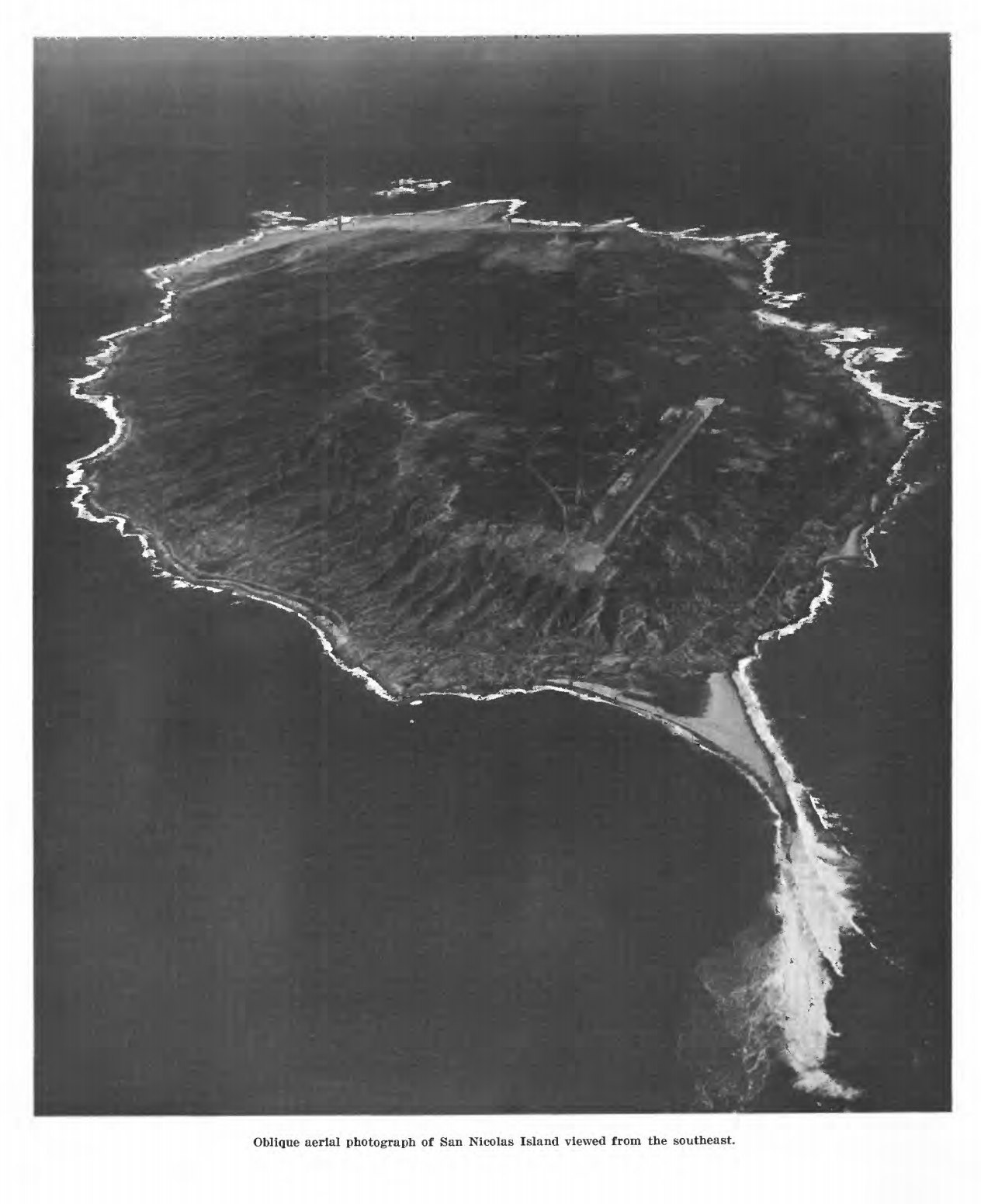
Karana is invented, but she is based on a real person: a Native woman who truly lived alone on San Nicolas Island for about eighteen years in the 1800s, remembered as the ‘Lone Woman of San Nicolas Island.’ When her people were taken from the island around 1835, she was left behind — by some accounts she went back for a child, much as Karana leaps back for Ramo. For nearly two decades she survived entirely alone, building shelter, gathering food, and making tools and clothing, until a ship finally found her and brought her to the California mainland around 1853, where she was given the name Juana María. What the record does not preserve is her language. Nobody at the mission could understand a word she said, she died within weeks of arriving, and a few songs written down are nearly all that survives — which is why a novel had to do the rest of the work.
Think back over these chapters. A girl who has been alone for years meets another girl her own age — and she is an Aleut, one of the people who killed her father. They cannot speak a word to each other. And yet, gift by gift, name by name, a friendship grows between them, until Karana has something she had almost forgotten: a friend. When the ships leave and Tutok is gone, the silence is heavier than before. Then Karana finds a young otter, torn by the hunters, and instead of turning away she heals it, as she once healed Rontu, and calls it Mon-a-nee. And somewhere in all this — the friend, the otter, the pups that come later — she makes a quiet vow that changes her forever: never again to take a life. The hunter has become a keeper of the living world.
Karana is an invented character, but she is based on a real person. In the 1800s a Native woman truly lived alone on San Nicolas Island, off the coast of California, for about eighteen years. She is remembered as the Lone Woman of San Nicolas Island. When her people were carried away by ship around 1835 she was left behind, and for nearly two decades she led a solitary life, building shelter, gathering food, and making her own tools and clothing with no one at all to help her.
Around 1853 a ship finally reached the island and brought her to the California mainland, where she was given the name Juana María. Sadly, no one there could understand her language, and she lived only a short time after her rescue. Much about her life can never be known. The author Scott O’Dell read what records remained and imagined the inner life that history could not record: her thoughts, her fears, and her friendships with the animals of the island. In this way a real woman became a story that millions of readers cherish. Knowing she truly existed makes Karana’s courage more moving, not less.
This writing task is optional and is not part of your auto-graded score. The feedback below checks only the basics — length, spelling, and grammar — not whether your ideas are right or wrong. It is meant for classroom discussion and creative practice, so feel free to use your imagination!
Writing Task — Part 7 “A New Understanding”
Karana befriends Tutok and decides never again to harm an animal. Write about a time you changed your mind about someone or something, or learned to see another’s side. What changed you, and how do you see things now? 6–10 sentences. End with what you understand now that you did not before.
No right or wrong — tell someone nearby what happened in this part. Can’t find anyone? Tell yourself out loud. The moment you teach it, you truly understand it.


Part 7 Complete!
You finished Chapters 24–27 of Island of the Blue Dolphins.
Here are your auto-graded results:
The best last step is to teach it. In your own words, explain what happened — retell a favorite scene, teach a character’s big choice, or sum up the main idea for a parent, friend, or classmate. When you can teach it clearly, you truly own it.
Independent study guide by Garden Heights. Not affiliated with or endorsed by Scott O'Dell. Contains original analysis only; no text from the novel is reproduced. Reference text: This workbook follows Scott O'Dell’s classic text (the standard Puffin edition sold worldwide). Revised 2023 UK editions change some wording and may not match the vocabulary studied here.