
Judy Moody cover
Garden Heights Academy

Judy Moody

This workbook is for Garden Heights members. Sign in to continue.

Sign in with Google →
New here? Just sign up with Google — your account includes Matilda, our gift book, forever.
Judy Moody · Garden Heights Academy

Part 7

for Judy Moody · Part 7 · Chapters 11
a novel by Megan McDonald
30 min5 Parts
This workbook is built on a solid pedagogical foundation, effectively integrating content and language learning based on the CLIL framework (Content and Language Integrated Learning), elevated by our unique 5th C — Connection — and an integrated Standardized Test section that weaves every SAT & TOEFL question type right into the novel, so learners build real test skills easily, naturally, and with fun.
What Happens in Part 7

It is the day before the Me collage is due, and Judy is finishing it at last. She refuses to let her masterpiece be carried in a garbage bag, declaring it as important as a famous painting. Then disaster strikes: Stink spills purple jungle juice, leaving a big purple triangle stain right on her collage. Instead of giving up, clever Judy grabs a black marker, outlines the purple shape, and turns it into the state of Virginia — the place where she lives. She has taken an accident and turned it into the perfect finishing touch.

What We Will Learn
FocusWhat It Means
Problem & SolutionTurning a mistake into something better
Art & GeographyCollage as art; Virginia as Judy’s home
Growth MindsetJudy’s creative, never-give-up attitude
Chapter Summary
ChapterKey Events
Ch.11Judy finishes her Me collage and protects it like fine art; when Stink spills jungle juice, she turns the purple stain into an outline of Virginia, her home state
💭 Before You Read · Warm-Up (not scored)

There are no wrong answers here — just think, guess, and talk:

  • A big spill lands on Judy’s almost-finished project. In that moment, would you start over, give up, or try to use the mess? Why?
  • Judy turns an accident into the best part of her collage. Can you think of a ‘happy accident’ that turned out better than the plan?
  • The whole book is about moods. Predict: how might one clever fix change Judy’s mood for the ending?
Copyright Notice

This is an independent study guide created by Garden Heights Academy to support reading comprehension and literary analysis. It contains original analysis questions and does not reproduce any text from the novel. Judy Moody is a work by Megan McDonald. This guide is not affiliated with, authorized by, or endorsed by Megan McDonald or any associated rights holders. Students should read the original book, available from libraries and booksellers.

Part 1
Vocabulary
Study 10 key words from Chapters 11, then answer each question.
🖌Knowledge Bank · Planning a Work of Art
Art · CompositionBefore an artist glues anything down, she makes a plan. First she gathers materials: photographs, colored paper, fabric, small flat objects. Next she lays everything out and shuffles the pieces around, testing which spot feels right for each one. Deciding where every part belongs is called composition, and it is the quiet skill behind any good picture. Only once the arrangement looks balanced does the glue come out. Scientists work in the same patient order, gathering, testing, then recording what happened. Steady, unhurried steps are what turn a pile of scraps into real art.
Visual AidPlan first, glue last
Plan first, glue lastFour numbered cards joined by arrows: one, gather photos, paper, fabric, and small flat objects; two, lay out everything on the page; three, shuffle and test which spot feels right; four, in red, glue only once it looks balanced. Notes say deciding where every part belongs is composition, the quiet skill behind any good picture, and that scientists work in the same patient order: gather, test, then record. A closing line says steady, unhurried steps are what turn a pile of scraps into real art.PLAN FIRST, GLUE LAST1GATHERphotos, paper, fabric,small flat objects2LAY OUTspread everythingon the page3SHUFFLEtest which spotfeels right4GLUEonly once itlooks balanceddeciding where every part belongs is COMPOSITION, the quiet skill behind any good picturescientists work in the same patient order: gather, test, then recordSteady, unhurried steps are what turn a pile of scraps into real art.
Diagram for the Knowledge Bank on composition. The four numbered cards are the order the Knowledge Bank describes, gather materials, lay everything out, shuffle the pieces until each spot feels right, and only then glue, with the Knowledge Bank’s definition of composition beneath. It does not show what Judy’s collage looks like. Notice that glue is the last card, not the first — the Knowledge Bank says the glue comes out only once the arrangement looks balanced.
Gather, lay out, shuffle, glue, and the definition of composition, as described in the Knowledge Bank. Drawn for Garden Heights Academy.
masterpiecen.Ch.11
A work of art of great skill
“Judy treated her collage like a masterpiece.”
protectv.Ch.11
To keep safe from harm
“Judy wanted to protect her artwork.”
disastern.Ch.11
A terrible, sudden event
“The spilled juice felt like a disaster.”
outlinev.Ch.11
To draw a line around the edge of something
“Judy chose to outline the purple stain.”
staten.Ch.11
A region of a country, like Virginia
“Virginia is the state where Judy lives.”
creativeadj.Ch.11
Full of new and clever ideas
“Judy’s creative idea saved the day.”
stainn.Ch.11
A mark that is hard to remove
“The juice left a purple stain.”
transformv.Ch.11
To change something completely
“She transformed the stain into a map.”
dueadj.Ch.11
Expected to be handed in or done
“The collage was due the next day.”
valuableadj.Ch.11
Worth a lot; important
“To Judy, the collage was valuable.”

ⓘ The vocabulary words in this list are selected to help you understand and complete this workbook. Some may not appear verbatim in the original novel.

🧠Knowledge Bank question
1According to the Knowledge Bank, deciding where every part of a picture belongs is called ___.Ch.11
2True or False: A “disaster” is a small, happy event.Ch.11
3To draw a line around the edge of the purple shape, Judy had to ___ it.Ch.11
4True or False: To “transform” something means to change it completely.Ch.11
5Fill in each blank with the correct word.Ch.11
Word choices:masterpiecedisasteroutlinestate- some words will not be used
The spill felt like a , but Judy chose to the stain and saved her .
6True or False: A “state” is a region of a country, like Virginia.Ch.11
7Judy’s clever, new idea shows she is very ___.Ch.11
8True or False: To “protect” the collage means to keep it safe.Ch.11
9Fill in the blanks with the correct words.Ch.11
Word choices:stainduevaluabletransform- some words will not be used
The collage was the next day, and the purple nearly ruined it.
10Something worth a lot or very important is ___.Ch.11
Part 2
Comprehension
How well do you understand Chapters 11?
🎬Knowledge Bank · Making Movies in Your Mind
Reading Skill · VisualizingStrong readers build pictures in their heads while they read, a habit called visualizing. You take the writer’s words and imagine how a scene would look, sound, and even smell. As Judy adds the final pieces to her project, try to see it: the colors, the crowded corners, the way it fills the page. To visualize well, slow down at describing words and ask questions. What color is that? How big? Neat or messy? The clearer the picture in your head, the more you understand and remember. Reading grows far more fun once your mind runs its own little movie.
🧠Knowledge Bank question
1The Knowledge Bank says that to visualize well you should ___.Ch.11
2Why does Judy refuse to use a garbage bag for her collage?Ch.11
3What does Stink spill on the collage?Ch.11
4True or False: The spill leaves a purple triangle-shaped stain.Ch.11
5Write the numbers 1–5 in the boxes to show the correct order across Part 7. Number 1 = what happens first.Ch.11
  • Judy grabs a black marker and outlines the purple shape.
  • Stink spills jungle juice, leaving a purple triangle stain.
  • Judy refuses to let her collage be carried in a garbage bag.
  • The stain becomes the state of Virginia, where Judy lives.
  • It is the day before the collage is due, and Judy is finishing it.
6True or False: Judy gives up on her collage after the spill.Ch.11
7What does Judy turn the purple stain into?Ch.11
8What does Judy use to fix the stain?Ch.11
9True or False: Virginia is the state where Judy lives.Ch.11
10Fill in the blanks to complete the sentence.Ch.11
Word choices:Virginiastainmarkerjuice- some words will not be used
Judy used a black to turn the purple into Virginia.
Part 3
Literary Elements
Understanding HOW and WHY Megan McDonald creates certain feelings across Chapters 11.
🛠Knowledge Bank · The Problem-and-Solution Shape
Literary Craft · Problem & SolutionCountless stories are built around a problem that demands fixing. A character wants something, then trips over an obstacle, then works bit by bit toward a solution. That shape drags a reader forward, because everyone wants to know whether things will come right. In this part a spill threatens Judy’s project and she has to think fast. Watching somebody repair a mess is exciting and quietly hopeful. The shape whispers a real lesson as well: an obstacle is not an ending, it is a puzzle. When the fix finally lands, a whole story feels like a reward.
📚 Literary Devices in This Part · definitions & examples
A spill is the problem; turning it into Virginia is the clever solution.
A symbol stands for something more. The Virginia outline shows Judy’s home and her creativity.
Resolution is how a problem is settled. Judy resolves the collage crisis beautifully.
The questions below are mixed — not grouped by device. Decide which device each one is about.
🧠Knowledge Bank question
1According to the Knowledge Bank, the problem-and-solution shape whispers the lesson that ___.Ch.11
2A problem is a difficulty a character must face.Ch.11
3Fill in each blank with the correct word.Ch.11
Word choices:problemsolutionsymbolsetting- some words will not be used
The spill on the collage is the
Turning it into Virginia is the clever .
4Turning the stain into Virginia is Judy’s clever —Ch.11
5A symbol stands for something more than itself.Ch.11
6Fill in each blank with the correct word.Ch.11
Word choices:symbolproblemsolutionmood- some words will not be used
The Virginia outline that stands for home is a
The messy spill is the .
7The Virginia shape standing for Judy’s home and creativity is a —Ch.11
8Judy’s clever fix for the spill is a —Ch.11
9Fill in each blank with the correct word.Ch.11
Word choices:problemsolutionsymbolplot- some words will not be used
The spill Judy must fix is the
The Virginia outline that means home is a .
10Judy turning a mistake into art mainly shows a clever —Ch.11
Part 4
Think Deeper
Four deeper challenges — no single-word recall. Read, weigh the evidence, and reason it through.
💪Knowledge Bank · Turning Mistakes into Something Great
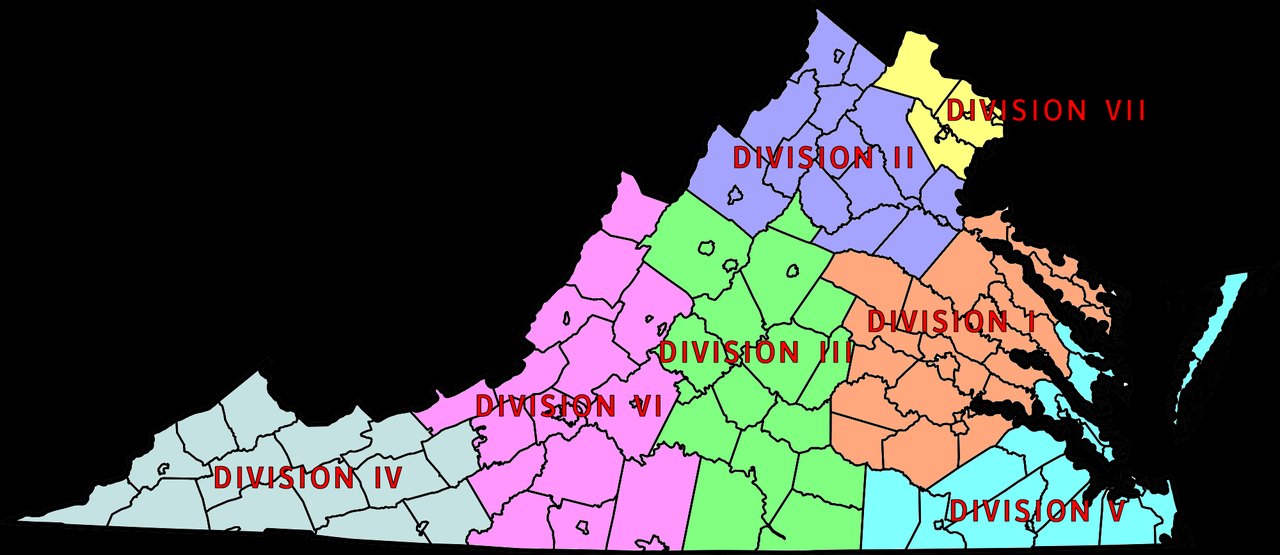
Social-Emotional · PerseveranceEverybody makes mistakes, artists included: a blob of glue, a torn edge, a spilled drink. A mistake is not the end of a project. Sometimes it becomes the best part of it. Judy meets a disaster and refuses to quit, redrawing the damage as the outline of Virginia, the Atlantic-coast state where she lives, whose shape on a map is a wide triangle. Sticking with a hard thing until it comes right is called perseverance. Next time something goes wrong, breathe and ask how the accident could be used. A calm mind turns almost any blunder into a small masterpiece.
Visual AidThe shape of Virginia
A map of the state of Virginia on a black background, its counties filled in seven bright colors and labeled by division, showing the state's wide triangular outline
Map of the state of Virginia published by the Virginia State Police, its counties colored in blocks to mark seven police divisions, shown against a black background. The Knowledge Bank explains that Judy meets a disaster on her collage and, refusing to quit, redraws the damage as the outline of Virginia, the Atlantic-coast state where she lives, whose shape on a map is a wide triangle. This is that shape: broad along the top, narrowing toward the west, with the ragged Atlantic coast on the right. The colors mark police districts, nothing to do with the story, and the map is a modern government drawing rather than a collage. Notice how the outline widens from left to right — that wide triangle is what a purple stain can be turned into.
Map of Virginia divided into State Police divisions; Virginia State Police, public domain. Source: Wikimedia Commons, public domain.
1Claim: “Judy takes real pride in her collage, then faces a setback.” — choose the two details that best prove it.Claim & Evidence
2Shows Judy’s pride and the setback, or just a detail of the scene? Tap each item to sort it — tap again to switch sides. You can keep tapping to change your answer.Sort into two
◄ Pride and setbackJust a detail ►
3Match each cause to its result. For each cause, pick its result.Cause & Effect
Judy values her collage highly
She calls it a masterpiece
Stink spills jungle juice
Disaster strikes
🧠Knowledge Bank question
4Fill both blanks to complete the reasoning.Build the Argument
The Knowledge Bank says Judy meets a disaster and, instead of quitting, , and sticking with a hard thing until it comes right is called .
Part 5
Standardized Test
Cohesion & TOEFL Insert Text — SAT & TOEFL-style practice
Turning Mistakes Into Happy Accidents

Not every great picture goes exactly to plan, and sometimes a small disaster strikes. Many famous artists have learned to welcome the unexpected: a dropped blob of paint, a smudge, a color that spread the wrong way. Instead of throwing the work away, they ask a better question: what could this mistake become? The painter Bob Ross, famous for his television art shows, had a favorite saying: there are no mistakes, only happy accidents. A stray streak of white might be transformed into a cloud; an ugly smear might turn into a shadow beneath a tree. This creative way of thinking is not only for artists. Scientists have made great discoveries from experiments that went wrong, and cooks have invented new dishes from kitchen errors. The secret is a kind of flexible thinking: seeing a problem as the beginning of an idea rather than the end of one. The next time something you are making goes wrong, try the artist's question, and you may rescue something even better than you first planned.

Original passage written for Garden Heights — not a quotation from the novel.
1In the passage, a disaster is ___.SAT · Words in Context
2The passage mainly presents mistakes as chances to —SAT · Rhetorical Purpose
3What was Bob Ross’s favorite saying?TOEFL · Factual Information
4The passage suggests that a mistake in art can often become —SAT · Inference
5If a streak is “transformed” into a cloud, it is —SAT · Words in Context
6According to the passage, who else besides artists benefits from ‘happy accidents’?TOEFL · Factual Information
7Creative thinking is thinking that ___.SAT · Words in Context
8To ‘rescue’ a ruined artwork mainly means to —SAT · Inference
9Which sentence best states the main idea of the passage?SAT · Central Ideas
10The author ends by inviting the reader to “try the artist’s question” mainly to —TOEFL · Rhetorical Purpose
Part 6 · Optional
Creative Writing
A bonus challenge to practice your English. Take your time and have fun with it.
About This Section

This writing task is optional and is not part of your auto-graded score. The feedback below checks only the basics — length, spelling, and grammar — not whether your ideas are right or wrong. It is meant for classroom discussion and creative practice, so feel free to use your imagination!

Writing Task — Part 7 “Turning a Mistake Around”

Judy turns a spilled-juice stain into the state of Virginia. Write about a time you made a mistake and found a clever way to fix it or make it better. Write at least 40 words.

You can start with: “I thought I had ruined it, but then I had an idea…”
0 / 40 words minimum
🗣 Teach It · Just for Fun (optional)

No right or wrong — close the screen and tell someone nearby what happened in this part. Can’t find anyone? Tell yourself out loud. The moment you teach it, you truly understand it.

Garden Heights Academy

Part 7 Complete!

You finished Chapters 11 of Judy Moody.

Here are your auto-graded results:

-
points out of 100
Teach it to someone

The best last step is to teach it. In your own words, explain what happened — retell a favorite scene, teach a character’s big choice, or sum up the main idea for a parent, friend, or classmate. When you can teach it clearly, you truly own it.

Move on to Part 8 →

Independent study guide by Garden Heights Academy. Not affiliated with or endorsed by Megan McDonald. Contains original analysis only; no text from the novel is reproduced.

SAT® is a registered trademark of College Board, which is not affiliated with, and does not endorse, these materials. TOEFL® is a registered trademark of ETS. These materials are not endorsed or approved by ETS. Garden Heights is an independent provider of test-style reading practice.