
Part 1
The book opens like a folk legend. Kids in the town of Two Mills chant rhymes and trade wild tales about a boy called ‘Maniac’ Magee — that he could outrun dogs, that he hit home runs off the meanest pitcher around, that his story is one part fact and many parts snowballing legend. Then the narrator peels back the myth to the real boy underneath. Jeffrey Lionel Magee was three years old when his parents were killed — the trolley they were riding plunged off a high river trestle. He was sent to live with his Aunt Dot and Uncle Dan, a couple who hated each other so bitterly that they refused to speak, splitting their house and even their meals in cold silence for eight long years. At his school’s spring program, eleven-year-old Jeffrey finally cracks, shouts at them to TALK to each other, and bolts — and he does not stop running. He runs some two hundred miles (321.8 km), all the way to Two Mills, the town near where he was born. There, hungry for the ordinary kindness he has never had, he meets Amanda Beale, a little girl lugging a whole suitcase of books to school, and asks to borrow one. She lends it. And so, homeless and alone but astonishing everyone he passes, the boy who will become a legend arrives.
| Section | What you will practice |
|---|---|
| Vocabulary | Legend words: legend, orphan, trestle, feud, reputation… |
| Literary Elements | The tall-tale frame, the real boy under the myth, and a book that opens a door |
| Cross-Curricular | How legends and tall tales are born |
| Ch. | What happens |
|---|---|
| Before the Story & Ch.1 | The Legend of Maniac — the town’s wild tales introduce Maniac Magee; beneath the myth is Jeffrey, orphaned at three when the trolley fell from the trestle. |
| Chapters 2–5 | The Boy Who Ran — after eight silent years with feuding Aunt Dot and Uncle Dan, Jeffrey snaps, runs two hundred miles (321.8 km) to Two Mills, and borrows a book from Amanda Beale. |
Four words, and the book uses them in a strange order. A legend is a famous story passed down, often exaggerated — and Spinelli gives you the legend first, before a single fact. An orphan is a child whose parents have died, which Jeffrey becomes at three. A trestle is a tall bridge frame for a railway, and it is where his parents die when the trolley goes off it. A feud is a long, bitter quarrel, and it is what waits for him at his aunt and uncle’s — a house so silent that a boy runs out of it. Read backwards, the four words are a life: a trestle, an orphan, a feud, and then a legend. Spinelli tells it forwards so that you meet the myth before you meet the boy.
ⓘ The vocabulary words in this list are selected to help you understand and complete this workbook. Some may not appear verbatim in the original novel.
In Before the Story & Chs. 1–5, plot comprehension depends on locating the trigger, tracing mounting pressure, and recognizing the decisive turn. The book opens like a folk legend. Kids in the town of Two Mills chant rhymes and trade wild tales about a boy called ‘Maniac’ Magee — that he could outrun dogs, that he hit home runs off the meanest pitcher around, that his story is one part fact and many parts snowballing legend. Then the narrator peels back the myth to the real boy underneath. Jeffrey Lionel Magee was three years old when his parents were killed — the trolley they were riding plunged off a high river trestle. He was sent to live with his Aunt Dot and Uncle Dan, a couple who hated each other so bitterly that they refused to speak, splitting their house and even their meals in cold silence for eight long years. Seen as cause and effect, “Legend and Truth” becomes the opening catalyst.
- Jeffrey is orphaned when the trolley falls from the trestle.
- He lives eight silent years with Aunt Dot and Uncle Dan.
- He shouts at them and runs away.
- The town’s legends about Maniac are told.
- He reaches Two Mills and borrows a book from Amanda Beale.
In Before the Story & Chs. 1–5, Jerry Spinelli coordinates frame, symbol, and backstory to establish the novel’s opening design. Notice the gap Spinelli sets up on page one: between ‘Maniac,’ the dazzling legend, and Jeffrey, the orphaned, homeless boy who is hungry for a family. The whole book lives in that gap. The legend makes Maniac seem larger than life, almost invincible; the truth is that he is a grieving child with no home and no one, running from a house of silence. Spinelli wants us to hold both at once — to cheer the amazing feats while never forgetting the lonely reason he is running. Watch how often the story returns to Jeffrey’s deepest wish, which is not fame but something achingly ordinary: an address, a family, people who talk to each other. That authorial design makes “The Boy Under the Myth” a lesson in deliberate atmosphere.
Spinelli opens not with facts but with a legend, and that is a deliberate craft choice that teaches us how legends form. A legend is a story passed from person to person that grows in the telling — a real event or person at its core, wrapped in more and more exaggeration as each teller adds a little. Maniac’s tale is built exactly this way: he really is a remarkable runner and athlete, but by the time the kids of Two Mills are done, he can outrun dogs and is allergic to pizza. The narrator even jokes that a kid’s history is a small part fact and a large part snowball. Watch what that lets Spinelli do. Because you meet Maniac as a legend first, every ordinary thing he then does — untying a knot, reading to an old man — arrives already enlarged, and you have to work to see the eleven-year-old underneath.
Think back over the opening. Children chant a rhyme about a boy who could outrun anything, and the tales pile higher with every telling until the truth is buried under the snowball. Then the story quiets and shows the truth: a three-year-old who lost his parents when a trolley dropped off a bridge, and eight years in a house so full of hatred that two grown-ups would not speak, splitting the very butter between them. One night the boy cannot bear the silence, screams for them to just TALK, and runs — and keeps running, two hundred miles (321.8 km), into a town where a small girl clutches a suitcase of books, and the first thing the running boy wants is to borrow one.
Spinelli begins Maniac Magee not with facts but with a legend, and in doing so he shows us how legends are made. A legend is a story handed down from person to person that grows larger in the telling. At its center is usually something real — a real person, a real event — but with every retelling each teller adds a little exaggeration, until the finished tale towers far above the truth. Maniac really is a gifted athlete; but by the time the children of Two Mills finish, his reputation says he can outrun a dog, hit any pitch, and is even said to be allergic to pizza. The book jokes that a kid’s history is a small part fact and a large part snowball — rolling bigger as it goes.
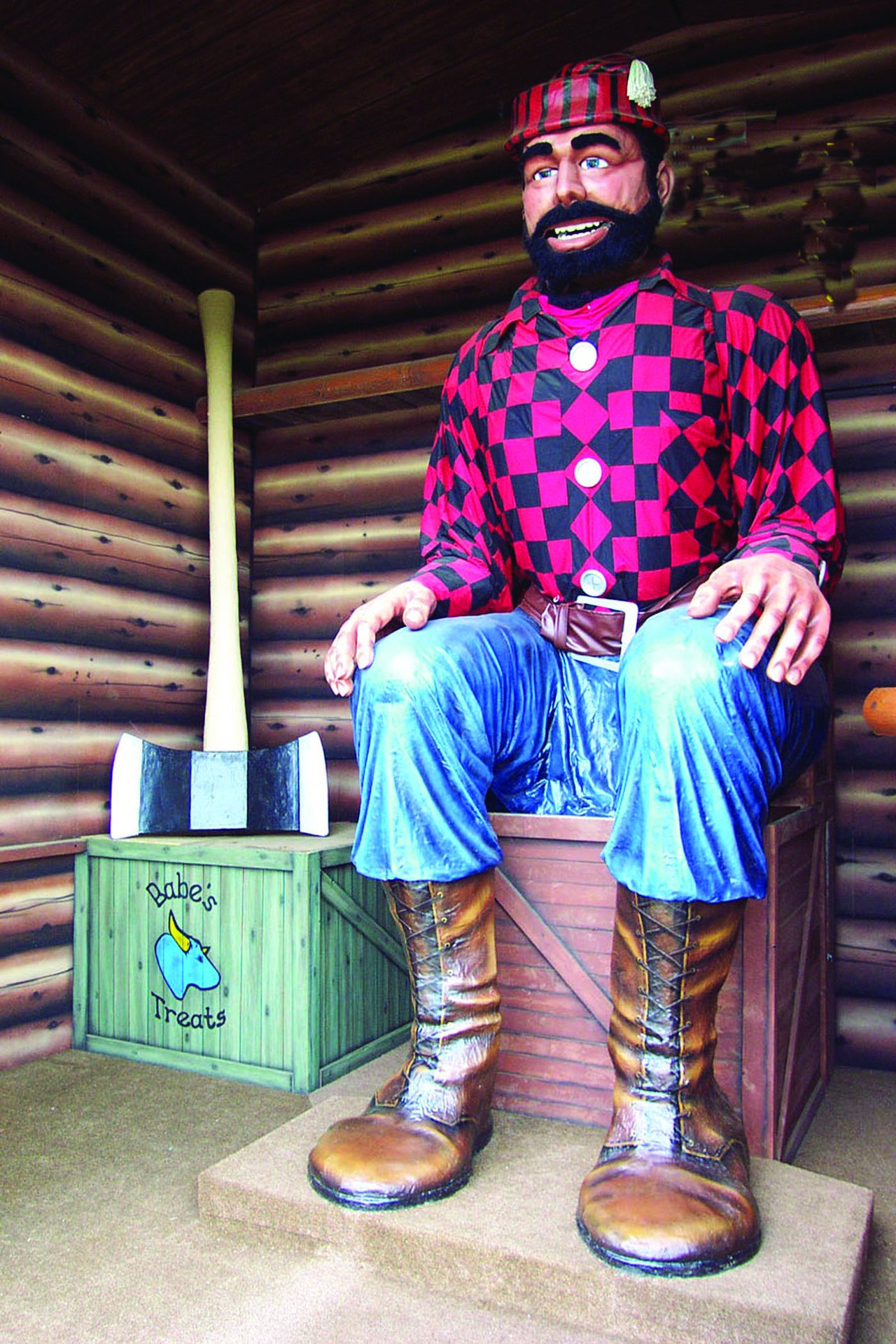
This is how folk heroes have always been born. Real frontiersmen and workers became the giant figures of American tall tales — a lumberjack so huge his footprints made lakes, a steel-driver who raced a machine. The pattern is the same the world over: a true seed, then generations of exaggeration, until the hero stands for something bigger than any single person — strength, freedom, or hope. Tales that astonish a listener travel furthest, which is why the wildest version is usually the one that survives. Spinelli frames his novel this way on purpose. By presenting Maniac first as a legend, he lets the reader watch a myth take shape in real time, and feel the pull between the shining story and the ordinary boy underneath.
This writing task is optional and is not part of your auto-graded score. The feedback below checks only the basics — length, spelling, and grammar — not whether your ideas are right or wrong. It is meant for classroom discussion and creative practice, so feel free to use your imagination!
Writing Task — Part 1 “Legend and Truth”
Maniac’s legend is bigger than the real, lonely boy underneath. Write about a time the ‘story’ people told about someone (or about you) was different from the truth. What was the legend, what was the reality, and why did they differ? 6–10 sentences. End with what you learned about looking past a reputation.
No right or wrong — close the screen and tell someone nearby what happened in this part. Can’t find anyone? Tell yourself out loud. The moment you teach it, you truly understand it.


Part 1 Complete!
You finished Before the Story & Chs. 1–5 of Maniac Magee.
Here are your auto-graded results:
The best last step is to teach it. In your own words, explain what happened — retell a favorite scene, teach a character’s big choice, or sum up the main idea for a parent, friend, or classmate. When you can teach it clearly, you truly own it.
Independent study guide by Garden Heights. Not affiliated with or endorsed by Jerry Spinelli. Contains original analysis only; no text from the novel is reproduced. Reference text: This workbook follows Jerry Spinelli’s classic text (the standard Puffin edition sold worldwide). Revised 2023 UK editions change some wording and may not match the vocabulary studied here.