
Part 4
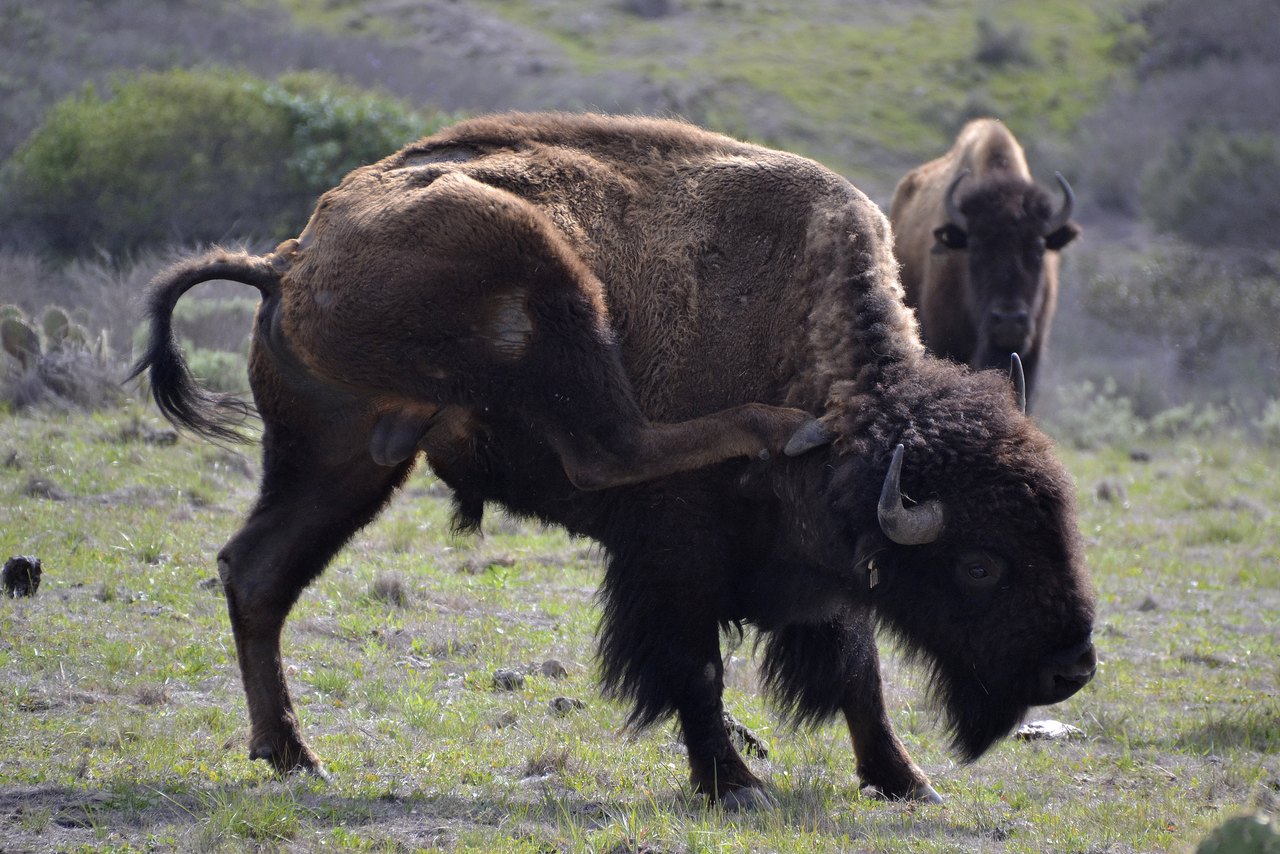
Homeless again and heartbroken, Maniac drifts through the cold, sleeping wherever he can — and finally curls up in the buffalo pen at the town zoo, too sad and worn out to care what happens to him. There, in the gray early morning, he is found by Earl Grayson, an old man who works at the park as a groundskeeper. Grayson is gentle, a little lonely himself, and worried about the strange, exhausted boy sleeping among the animals. He brings Maniac food, and slowly, without prying too hard, he takes the boy under his wing, eventually letting him stay in the park’s band shell where the equipment is kept. A quiet, unlikely friendship grows between the orphaned boy and the aging man. Grayson, it turns out, once played minor-league baseball, and his eyes light up as he tells his old stories; Maniac, hungry for any kind of family, listens and belongs. For the first time since the Beales, Maniac has someone who cares whether he lives or dies, and a place, however humble, to call his own. But Maniac soon senses that his new friend is carrying a secret of his own — a quiet shame, something Grayson has hidden all his life — and that Maniac, of all people, may be the one who can help him with it.
| Section | What you will practice |
|---|---|
| Vocabulary | Shelter words: drift, groundskeeper, shelter, companion, weary… |
| Literary Elements | A second chance at family, an unlikely friendship, and a hidden secret |
| Cross-Curricular | Children without a home — the reality of youth homelessness |
| Ch. | What happens |
|---|---|
| Chapters 21–23 | The Buffalo Pen — homeless and heartbroken, Maniac sleeps in the zoo’s buffalo pen, where the old groundskeeper Earl Grayson finds him, feeds him, and takes him in. |
| Chapters 24–25 | An Unlikely Friendship — Maniac stays in the park band shell; he and Grayson, a former minor-league player, bond — and Maniac senses his friend hides a lifelong secret. |
Four words, and together they turn one homeless winter into a home. To drift is to move along with no set aim, which is exactly what Maniac does once he leaves the Beales — not running toward anything now, just moving. A groundskeeper is a person who maintains grounds or a park, and that job is the only reason Grayson is in the story at all. A shelter is a place giving cover and protection; the band shell is a shelter and nothing more, until the equipment room becomes something else. A companion is a person you spend time with, and it is the plainest word on the list and the one that changes everything. Notice the order Spinelli puts them in. Drift, then a job, then a roof, then, at last, a person.
ⓘ The vocabulary words in this list are selected to help you understand and complete this workbook. Some may not appear verbatim in the original novel.
A Cold Pen, a Warm Friend is organized around a difficult decision, the risk it creates, and the eventual result. Homeless again and heartbroken, Maniac drifts through the cold, sleeping wherever he can — and finally curls up in the buffalo pen at the town zoo, too sad and worn out to care what happens to him. There, in the gray early morning, he is found by Earl Grayson, an old man who works at the park as a groundskeeper. Grayson is gentle, a little lonely himself, and worried about the strange, exhausted boy sleeping among the animals. He brings Maniac food, and slowly, without prying too hard, he takes the boy under his wing, eventually letting him stay in the park’s band shell where the equipment is kept. Once decision and result are joined, “A Cold Pen, a Warm Friend” supplies narrative momentum.
- Grayson the groundskeeper finds him there.
- Homeless, Maniac sleeps in the buffalo pen.
- Grayson shares his old baseball stories, hinting at a secret.
- Maniac moves into the park band shell.
- Grayson brings him food and takes him in.
Jerry Spinelli makes the midpoint turn through structure, pairing, and suspense rather than through explanation alone. Notice the pattern Spinelli is building. Maniac keeps finding families and losing them: first the Beales, now Grayson. Each is a different kind of home — a big lively family, then a quiet bond with one old man — and each teaches Maniac (and us) something about what a family really is. This repeating structure is not accident; it is the shape of Maniac’s search. He is trying, home by home, to answer the question the whole book asks: where does a boy like this belong? Grayson matters because he shows that family need not look traditional — an orphaned boy and a lonely old man can become as real a family as any. That authorial design makes “The Second Family” a lesson in deliberate symbolism.
When Maniac sleeps in a buffalo pen because he has nowhere else to go, Spinelli is showing something real and troubling: children without homes. Youth homelessness is not only a problem of long ago or far away; today, hundreds of thousands of young people in America experience homelessness each year. The causes are many — a family falling apart, the loss of parents, poverty, or a child fleeing a home that has become unsafe, exactly as Jeffrey fled the silent feud. Homeless children are often invisible: they are not always sleeping in the open but staying with one family after another, in shelters, or in places not meant for living, and they work hard to hide their situation out of shame, just as Maniac hides his. Spinelli never uses the word homeless about Jeffrey. He says the boy is looking for an address — the same fact told the way a child would tell it, and the reason the book can be about homelessness without sounding like a lecture.
Think back over these chapters. A boy who gave up the only home he ever had lies down in a pen with the buffalo, so tired and sad that he no longer cares what becomes of him. And in the cold morning an old man who cuts the park’s grass finds him there, and instead of chasing him off, brings him something to eat. Little by little, without too many questions, the old man makes room — a warm corner of the band shell, a plate at mealtime, and best of all, his stories, the glowing memories of the days he pitched in the minor leagues. Two lonely people, an orphan and an old man, quietly become a family. And under the old man’s stories, the boy begins to feel the shape of a secret his friend has never told anyone.
When Maniac curls up to sleep in a buffalo pen, Spinelli is showing a real and troubling problem: children without homes. It is easy to imagine homelessness as happening only to adults, or only long ago, but it is not. Every year, hundreds of thousands of young people in the United States experience homelessness. The reasons are as varied as the children themselves: a family falling apart, the death or loss of parents, deep poverty, or a child escaping a home that has become unsafe — much as Jeffrey ran from his aunt and uncle’s cold, silent feud.
Homeless children are often hard to see, since they are not always sleeping out in the open; many drift from one relative or friend’s home to the next, stay in shelters, or sleep in places never meant for living. And, like Maniac, they often work hard to conceal their situation, because they feel ashamed and fear being taken away. The effects are heavy: hunger, missed school, danger, and above all loneliness. Yet what these children need most is not complicated: a stable place to live and at least one caring adult who will not give up on them. One steady companion can change everything, exactly what Spinelli shows when a lonely groundskeeper takes one lost boy under his wing. The story asks us to see past the word homeless to the ordinary child underneath.
“Behind every such child is a story, not a statistic.”
This writing task is optional and is not part of your auto-graded score. The feedback below checks only the basics — length, spelling, and grammar — not whether your ideas are right or wrong. It is meant for classroom discussion and creative practice, so feel free to use your imagination!
Writing Task — Part 4 “One Person Who Cared”
A single kind adult — Grayson — changes everything for a homeless, hopeless boy. Write about a time one person’s care made a real difference for you or someone you know, especially in a hard moment. Who was it, what did they do, and why did it matter so much? 6–10 sentences. End with what one caring person can do.
No right or wrong — close the screen and tell someone nearby what happened in this part. Can’t find anyone? Tell yourself out loud. The moment you teach it, you truly understand it.


Part 4 Complete!
You finished Chapters 21–25 of Maniac Magee.
Here are your auto-graded results:
The best last step is to teach it. In your own words, explain what happened — retell a favorite scene, teach a character’s big choice, or sum up the main idea for a parent, friend, or classmate. When you can teach it clearly, you truly own it.
Independent study guide by Garden Heights. Not affiliated with or endorsed by Jerry Spinelli. Contains original analysis only; no text from the novel is reproduced. Reference text: This workbook follows Jerry Spinelli’s classic text (the standard Puffin edition sold worldwide). Revised 2023 UK editions change some wording and may not match the vocabulary studied here.