
Part 5
Maniac discovers Grayson’s lifelong secret: the old man cannot read. All his life Grayson has hidden his illiteracy behind excuses and shame, never telling a soul. Maniac, who loves books more than almost anything, responds not with pity but with purpose — he begins to teach Grayson to read. Patiently, gently, night after night in the band shell, the boy and the old man work through letters, sounds, and words, and something wonderful happens: Grayson, in his old age, learns to read, and finishes his very first book. The pride and joy on the old man’s face is one of the warmest moments in the story. In teaching, Maniac gives back the gift Amanda’s books first gave him, and the two of them build a true home — decorating the band shell, sharing meals and stories, becoming, in every way that matters, a family. As the holidays approach, the orphaned boy and the lonely old man have found in each other exactly what each has been missing for so long: someone to belong to. For a little while, in a warm shell in a cold park, Maniac Magee is happy, and Grayson is no longer ashamed. The reader, warmed by it, may also sense how fragile such happiness can be.
| Section | What you will practice |
|---|---|
| Vocabulary | Learning words: illiterate, literacy, patient, pride, gift… |
| Literary Elements | The secret revealed, roles reversed, and a home built by hand |
| Cross-Curricular | Adult literacy — learning to read later in life |
| Ch. | What happens |
|---|---|
| Chapters 26–29 | The Secret — Maniac learns that Grayson cannot read, a shame the old man has hidden all his life; the book-loving boy begins, patiently, to teach him. |
| Chapters 30–33 | Learning to Read — night by night in the band shell, Grayson learns to read and finishes his first book; boy and man build a real home and become a family. |
Five words, and two of them are the same idea seen from opposite ends. Illiterate is an adjective for unable to read or write, and Grayson has been it his whole life. Literacy is the noun for the ability to read and write — the thing he does not have, named as a possession rather than a lack. Patient means calm and willing to wait, which is what the lessons require and what a boy who has run everywhere turns out to be. Pride is a feeling of pleased achievement, and it is what changes an old man’s face. A gift is something given freely. Spinelli is careful with that last one: Maniac has nothing to give, no money and no home, and he hands over the only thing he owns, which is reading.
ⓘ The vocabulary words in this list are selected to help you understand and complete this workbook. Some may not appear verbatim in the original novel.
Part 5 raises a specific threat, answers it through character action, and leaves an altered aftermath. Maniac discovers Grayson’s lifelong secret: the old man cannot read. All his life Grayson has hidden his illiteracy behind excuses and shame, never telling a soul. Maniac, who loves books more than almost anything, responds not with pity but with purpose — he begins to teach Grayson to read. Patiently, gently, night after night in the band shell, the boy and the old man work through letters, sounds, and words, and something wonderful happens: Grayson, in his old age, learns to read, and finishes his very first book. The pride and joy on the old man’s face is one of the warmest moments in the story. That progression explains how “The Secret and the Gift” produces lasting consequence.
- Boy and man decorate the shell and become a family.
- Night after night, they work in the band shell.
- Grayson finishes reading his very first book.
- Maniac begins patiently teaching him letters and sounds.
- Maniac discovers Grayson cannot read.
Part 5 layers irony, motif, and theme so that an ordinary detail carries later significance. Watch the beautiful reversal at the heart of Part 5. All book long, Maniac has been the one needing care — fed, sheltered, taken in. Now the boy becomes the TEACHER, and the grown man becomes the student. This role reversal is a gentle irony: the one who has received so much finally gets to give, and the powerful adult must humbly learn from a child. Spinelli uses it to make a quiet point about worth and dependence — that everyone, young or old, has something to give and something to learn, and that the healthiest relationships flow both ways. Maniac heals by helping; Grayson is freed by admitting his need. That authorial design makes “The Roles Reverse” a lesson in deliberate irony.
Grayson’s secret — that a grown man never learned to read — points to a real and widespread struggle: adult illiteracy. Millions of adults, in the United States and around the world, cannot read well, and they carry Grayson’s exact burden of shame, hiding it behind clever excuses so no one will know. The reasons are rarely about intelligence: a childhood cut short by work or poverty, frequent moves, an undiagnosed learning difference, or simply schools that failed them. And, as with Grayson, not being able to read shrinks a life in a thousand quiet ways — a menu, a street sign, a letter from a friend, a bedtime story for a child, all locked away. Notice which of those Spinelli chooses to show. Grayson’s first real sentence is read aloud to a boy, so the moment adult literacy arrives, it arrives as the thing he was never able to do for anyone else.
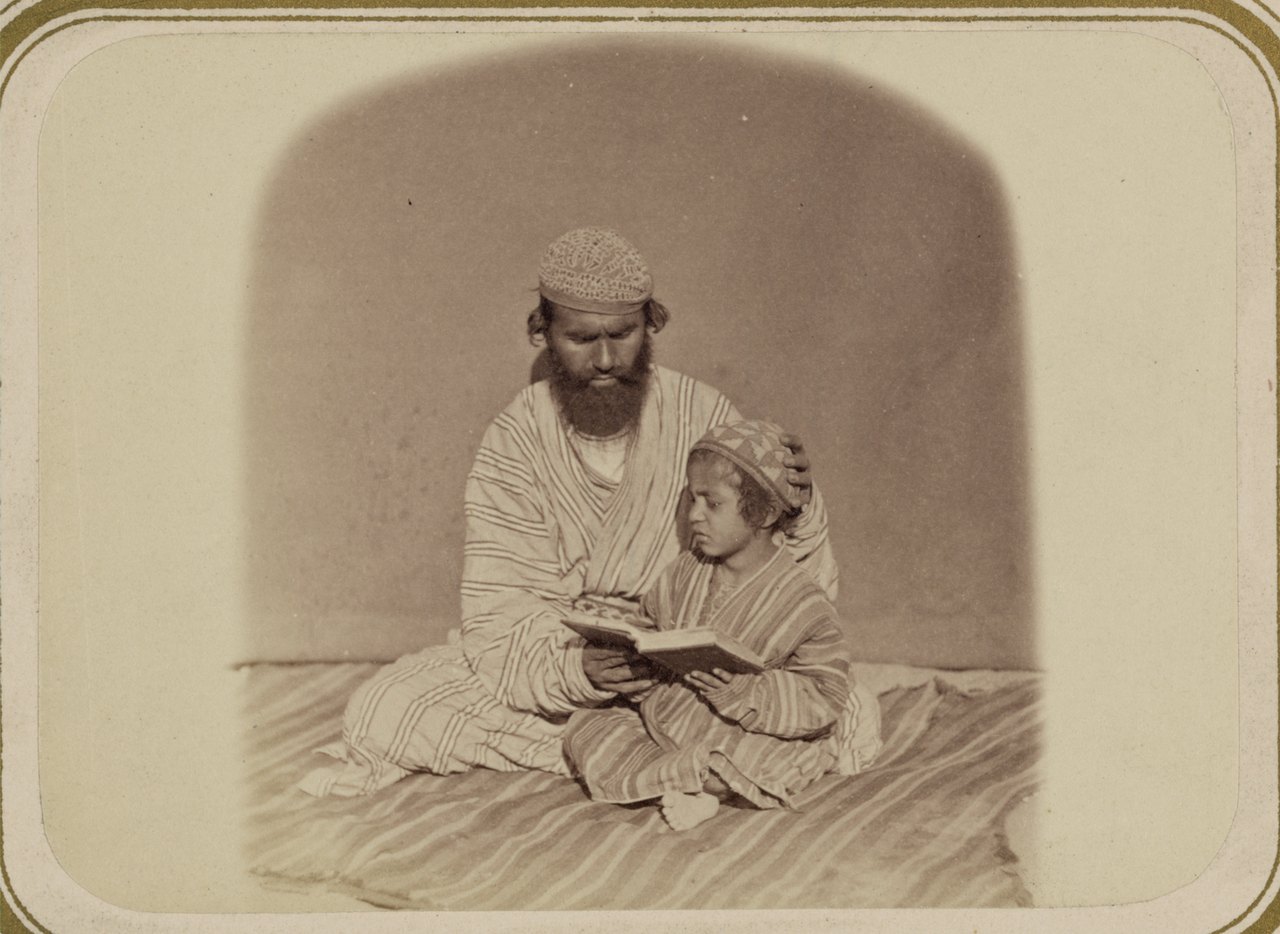
Think back over these chapters. An old man who has spent a whole life hiding one thing — that the letters on a page mean nothing to him — finally lets a boy see it, and braces for scorn. Instead, the boy who loves books more than food pulls up a chair and begins, sound by sound, word by word, night after night in a cold band shell warmed by one lamp. And then it happens: the old man reads. He reads a whole book, and his weathered face breaks open with a joy he has waited seventy years for. The boy who has been given so much has finally, gloriously, gotten to give — and two lonely people, warming their hands at the same small light, have become a family.
Grayson’s hidden secret — that a grown man never learned to read — reflects a real and common struggle: adult illiteracy. Millions of adults, in the United States and around the world, cannot read well, and a great many are deeply ashamed of it. They become experts at hiding it, covering with excuses so that friends, coworkers, and family may never know. This rarely has anything to do with intelligence; the usual causes are a childhood cut short by work or poverty, a family that moved too often, an undiagnosed learning difference, or a school that failed the child.
Not being able to read shrinks a life in a thousand quiet ways: a menu, a road sign, a medicine label, a letter from a friend, a bedtime story for one’s child — all of it stays locked away. But the most hopeful fact is the one Grayson’s story proves: it is never too late. Adults do learn to read at any age, and across the country volunteer tutors help thousands achieve exactly what Maniac gives Grayson — the patience to sit down and open the door. When Grayson finally reads his first book, his joy shows what literacy truly is: not merely a school skill or a mark on a test. It is a doorway into the world of human thought, memory, and connection, and no one should be shut out of it.
“For them, a printed page is a door with no handle.”
This writing task is optional and is not part of your auto-graded score. The feedback below checks only the basics — length, spelling, and grammar — not whether your ideas are right or wrong. It is meant for classroom discussion and creative practice, so feel free to use your imagination!
Writing Task — Part 5 “Teaching and Learning”
Maniac and Grayson trade the usual roles: the child teaches, the adult learns. Write about a time you taught someone something, or learned something important from an unexpected person. What was it, how did it go, and what did BOTH of you gain? 6–10 sentences. End with what you learned about giving and receiving help.
No right or wrong — close the screen and tell someone nearby what happened in this part. Can’t find anyone? Tell yourself out loud. The moment you teach it, you truly understand it.


Part 5 Complete!
You finished Chapters 26–33 of Maniac Magee.
Here are your auto-graded results:
The best last step is to teach it. In your own words, explain what happened — retell a favorite scene, teach a character’s big choice, or sum up the main idea for a parent, friend, or classmate. When you can teach it clearly, you truly own it.
Independent study guide by Garden Heights. Not affiliated with or endorsed by Jerry Spinelli. Contains original analysis only; no text from the novel is reproduced. Reference text: This workbook follows Jerry Spinelli’s classic text (the standard Puffin edition sold worldwide). Revised 2023 UK editions change some wording and may not match the vocabulary studied here.