
My Father’s Dragon cover
Garden Heights Academy

My Father's Dragon

This workbook is for Garden Heights members. Sign in to continue.

Sign in with Google →
New here? Just sign up with Google — your account includes Matilda, our gift book, forever.
My Father's Dragon · Garden Heights Academy

Part 1

for My Father's Dragon · Part 1 · Chapters 1–2
a novel by Ruth Stiles Gannett
30 min5 Parts
This workbook is built on a solid pedagogical foundation, effectively integrating content and language learning based on the CLIL framework (Content and Language Integrated Learning), elevated by our unique 5th C — Connection — and an integrated Standardized Test section that weaves every SAT & TOEFL question type right into the novel, so learners build real test skills easily, naturally, and with fun.
What Happens in Part 1

On a cold, rainy day, kind young Elmer Elevator helps a soaking-wet old stray cat and brings it home. Later the clever cat repays his kindness with an amazing secret: far away on Wild Island, the fierce animals keep a baby dragon captive, forcing it to carry them back and forth across a river. Elmer, who has always dreamed of flying, decides at once to set the little dragon free. With the cat’s help, he packs a knapsack full of strange but cleverly chosen supplies — chewing gum, pink lollipops, rubber bands, a compass, a jackknife, and more — and secretly stows away on a ship sailing toward the island of Tangerina.

What We Will Learn
FocusWhat It Means
Character & KindnessHow Elmer’s kindness starts his adventure
Plot SetupThe secret of Wild Island and the captive dragon
Problem-SolvingWhy Elmer packs such unusual supplies
Chapter Summary
ChapterKey Events
Ch.1Elmer is kind to a wet stray cat; the cat tells him about the baby dragon held captive on Wild Island
Ch.2Elmer packs a knapsack of clever supplies and stows away on a ship bound for Tangerina
💭 Before You Read · Warm-Up (not scored)

There are no wrong answers here — just think, guess, and talk:

  • Elmer helps a soaked stray cat and is rewarded with an amazing secret. Have you ever done a small kindness that led to something surprising?
  • Elmer packs strange things — chewing gum, lollipops, ribbons — for a rescue. Why might odd, everyday objects turn out to be the most useful tools?
  • Predict: a small boy is setting out to free a dragon guarded by fierce animals. Do you think he will fight his way through, or find another way?
Copyright Notice

This is an independent study guide created by Garden Heights Academy to support reading comprehension and literary analysis. It contains original analysis questions and does not reproduce any text from the novel. My Father's Dragon is a work by Ruth Stiles Gannett. This guide is not affiliated with, authorized by, or endorsed by the author or any associated rights holders. Students should read the original book, available from libraries and booksellers.
Part 1
Vocabulary
Study 10 key words from Chapters 1–2, then answer each question.
🚢Knowledge Bank · Stowaways and Cargo Ships
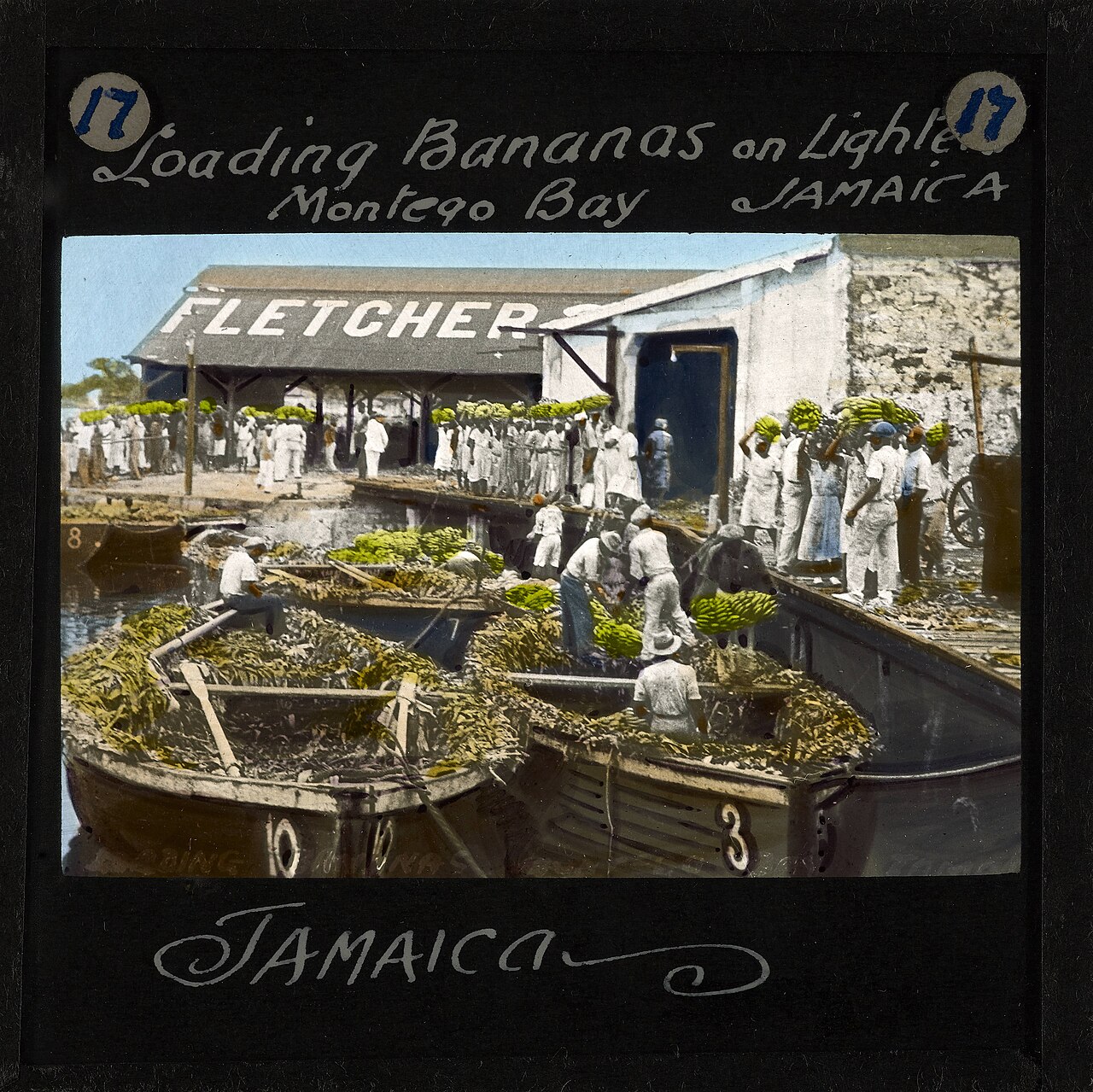
Culture · Ships and PortsElmer reaches the sea and rides a ship without buying a ticket, which makes him a stowaway — someone who hides aboard and sneaks a free voyage. The ships he chooses carry cargo: crates of fruit, cloth, and machines bound for faraway ports, the busy harbors where boats tie up to load and unload. A crossing could take many days, so a ship stored barrels of water and food for its crew, and an extra mouth ate into that supply. Captains therefore searched their holds carefully. Hiding among the crates was dark, cramped, and risky, yet for a boy with empty pockets it was the only road to a distant island.
strayn.Ch.1
An animal with no home
“Elmer helped a wet stray cat.”
captiveadj.Ch.1
Kept as a prisoner; not free
“The baby dragon was held captive.”
knapsackn.Ch.2
A bag carried on the back
“Elmer filled his knapsack with supplies.”
stowawayn.Ch.2
Someone who hides on a ship to travel
“Elmer became a stowaway on the ship.”
suppliesn.Ch.2
Useful things gathered for a trip
“He gathered clever supplies for the journey.”
voyagen.Ch.2
A long journey by sea
“The voyage to Tangerina took many days.”
rescuev.Ch.1
To save someone from danger
“Elmer wanted to rescue the dragon.”
cleveradj.Ch.2
Smart and quick-thinking
“The cat gave clever advice.”
secretn.Ch.1
Something kept hidden from others
“The cat shared an amazing secret.”
determinedadj.Ch.1
Firmly decided not to give up
“Elmer was determined to help.”

ⓘ The vocabulary words in this list are selected to help you understand and complete this workbook. Some may not appear verbatim in the original novel.

1An animal with no home is a ___.Ch.1
2True or False: To be “captive” means to be free to go anywhere.Ch.1
3A bag you carry on your back is a ___.Ch.2
4True or False: A “stowaway” hides on a ship to travel secretly.Ch.2
5Fill in each blank with the correct word.Ch.1–2
Word choices:captiveknapsackrescuestray- some words will not be used
Elmer packed his to the dragon held on Wild Island.
6True or False: A “voyage” is a long journey by sea.Ch.2
7To save someone from danger is to ___ them.Ch.1
8True or False: Someone “determined” gives up easily.Ch.1
9Fill in the blanks with the correct words.Ch.2
Word choices:stowawaysuppliessecretclever- some words will not be used
He gathered clever and became a on the ship.
10Something kept hidden from others is a ___.Ch.1
Part 2
Comprehension
How well do you understand Chapters 1–2?
🎒Knowledge Bank · Packing for a Long Trip
Planning · Explorer SuppliesBefore any real journey, careful travelers write a list. Explorers, hikers, and sailors all learn the same rule: whatever you forget, you will do without, so every item has to earn its place in the bag. The best supplies are light, small, and useful in more than one way. A comb, a rubber band, or a folded sheet of paper weighs almost nothing and can still mend a problem far from home. Packing is really a way of thinking ahead — imagining trouble before it arrives and choosing a tool to meet it. That is why a strange-looking bundle can still be carefully planned.
1How does Elmer first show kindness?Ch.1
2What secret does the cat tell Elmer?Ch.1
3Why does Elmer want to go to Wild Island?Ch.1
4True or False: Elmer packs unusual supplies like chewing gum and lollipops.Ch.2
5Write the numbers 1–5 in the boxes to show the correct order across Part 1. Number 1 = what happens first.Ch.1–2
  • The cat tells Elmer about the captive baby dragon on Wild Island.
  • Elmer packs a knapsack full of clever supplies.
  • Elmer stows away on a ship bound for Tangerina.
  • Elmer is kind to a wet, homeless stray cat.
  • Elmer decides to rescue the dragon.
6True or False: The wild animals make the baby dragon carry them across a river.Ch.1
7How does Elmer travel toward the islands?Ch.2
8Who helps Elmer plan and pack?Ch.2
9True or False: Elmer’s supplies are chosen carefully for a clever reason.Ch.2
10Fill in the blanks to complete the sentence.Ch.1–2
Word choices:catdragonshipisland- some words will not be used
A clever told Elmer about the captive .
Part 3
Literary Elements
Understanding HOW and WHY Ruth Stiles Gannett creates certain feelings across Chapters 1–2.
🗺Knowledge Bank · The Shape of a Quest
Literary Craft · The QuestMany of the world’s oldest stories share one shape, which storytellers call a quest. A hero leaves the safety of home, travels toward somewhere strange, and tries to reach a goal that truly matters. Ancient myths use this shape, and so do films made last year. A quest needs three pieces before it can start: a hero, a strong reason to go, and a hard road lying in between. Tales in which a child slips away alone to rescue someone are among the oldest of all, because the traveler is small and the world is wide. Once those three pieces are set in place, the story can set out on its long adventure.
📚 Literary Devices in This Part · definitions & examples
A clear goal drives a quest. Elmer’s goal is to rescue the baby dragon.
Foreshadowing: the odd supplies hint that each one will be useful later.
Characterization: Elmer’s kindness to the cat shows he is caring and brave.
The questions below are mixed — not grouped by device. Decide which device each one is about.
1Elmer’s clear aim — to rescue the baby dragon — is his story’s —Ch.1–2
2A goal is what a character is trying to achieve in a story.Ch.1–2
3Fill in each blank with the correct word.Ch.1–2
Word choices:goalforeshadowingcharacterizationsetting- some words will not be used
Elmer’s main
The odd supplies that hint they will be useful later are a kind of .
4The strange supplies Elmer packs hint they will matter later. This clue-dropping is —Ch.1–2
5Foreshadowing gives away the whole ending in the very first sentence.Ch.1–2
6Fill in each blank with the correct word.Ch.1–2
Word choices:characterizationgoalforeshadowingmood- some words will not be used
Showing Elmer’s kindness to the cat is
His firm plan to save the dragon is his .
7We learn Elmer is caring and brave mainly through —Ch.1–2
8Why does the author describe each odd supply so carefully?Ch.1–2
9Fill in each blank with the correct word.Ch.1–2
Word choices:foreshadowingcharacterizationgoalplot- some words will not be used
The odd knapsack items are
Elmer’s brave kindness is clear .
10Giving Elmer a clear goal early mainly helps readers —Ch.1–2
Part 4
Think Deeper
Four deeper challenges — no single-word recall. Read, weigh the evidence, and reason it through.
🦒Knowledge Bank · Tricksters in World Folktales
World Folktales · Trickster HeroesLong before this book was written, storytellers everywhere loved a small hero who wins by thinking. In West African tales, Anansi the spider talks his way past animals ten times his size. In stories told in the American South, Br’er Rabbit escapes stronger enemies with a joke and a trick. Scholars call such a character a trickster, and the pattern repeats on every continent: muscle loses, wit wins. Listeners have always cheered these tales, because the weakest creature in the room turns out to be the one who walks away safe. Elmer joins that ancient family, and his sharpest tool is his brain.
1Claim: “Elmer’s kindness to the stray cat is what sets the whole adventure in motion.” — choose the two details that best prove it.Claim & Evidence
2Shows Elmer’s kindness and its reward, or just a background detail? Tap each item to send it left or right.Sort into two
◄ Kindness and its rewardJust a detail ►
3Match each cause to its result. For each cause, pick its result.Cause & Effect
Elmer sees a wet, cold stray cat
The cat is grateful
Elmer hears of the captive dragon
He plans ahead
4Fill both blanks to complete the reasoning.Build the Argument
Elmer’s kindness to the cat matters because , which shows that .
Part 5
Standardized Test
Vocabulary in Context & Main Idea — SAT & TOEFL-style practice
🎯 You already have the skills from the sections above — this is just a fun way to meet real SAT & TOEFL-style questions. Read the passage (the highlighted words are tested below), then answer the questions below. Tap an answer to select it, then tap it again to confirm — you can change your choice until you confirm.

When most people meet a problem, they push straight at it, using more force or more effort. But there is another way, and clever people have always known it: instead of pushing harder, you look for a sideways answer. Thinkers call this lateral thinking — solving a problem from an unexpected direction rather than head-on. Imagine a heavy door that will not open however hard you shove; a lateral thinker simply notices it is marked ‘pull.’ The trick is to study the problem until you spot its hidden weakness, then use a small, surprising tool to slip past it. A hungry animal, for example, might be beaten not by strength but by its own greed. Lateral thinking often looks like cleverness or even luck, but it is really a skill you can practice: ask what the problem truly wants, and look for the answer no one else has noticed. The smallest person in the room can win this way.

Original passage written for Garden Heights — not a quotation from the novel.
1In the passage, a “sideways” answer is one that —SAT · Words in Context
2What do thinkers call solving a problem from an unexpected direction?TOEFL · Factual Information
3The example of the door marked ‘pull’ shows that —SAT · Inference
4A hidden “weakness” is —SAT · Words in Context
5According to the passage, a hungry animal might be beaten by —TOEFL · Factual Information
6“Cleverness” most nearly means —SAT · Words in Context
7The passage most strongly suggests that a small, weak person can win by —SAT · Inference
8According to the passage, a lateral thinker opens the stuck ‘push’ door by —TOEFL · Factual Information
9Which sentence best states the main idea of the passage?SAT · Central Ideas
10The author ends “the smallest person in the room can win this way” mainly to —TOEFL · Rhetorical Purpose
Part 6 · Optional
Creative Writing
A bonus challenge to practice your English. Take your time and have fun with it.
About This Section

This writing task is optional and is not part of your auto-graded score. The feedback below checks only the basics — length, spelling, and grammar — not whether your ideas are right or wrong. It is meant for classroom discussion and creative practice, so feel free to use your imagination!

Writing Task — Part 1 “Packing for an Adventure”

Elmer packs a knapsack of clever supplies for his journey. If you were going on a big adventure, what would you pack and why? List your items and explain how each could help. Write at least 40 words.

You can start with: “For my big adventure, I would pack…”
0 / 40 words minimum
🗣 Teach It · Just for Fun (optional)

No right or wrong — close the screen and tell someone nearby what happened in this part. Can’t find anyone? Tell yourself out loud. The moment you teach it, you truly understand it.

Garden Heights Academy

Part 1 Complete!

You finished Chapters 1–2 of My Father's Dragon.

Here are your auto-graded results:

-
points out of 100
Your Writing

Your writing was checked automatically for length, spelling, grammar, and whether you included the key parts of the scene. Scroll back to Part 5 anytime to read your feedback and improve your work.

Move on to Part 2 →

Independent study guide by Garden Heights Academy. Not affiliated with or endorsed by the author or any rights holders. Contains original analysis only; no text from the novel is reproduced.