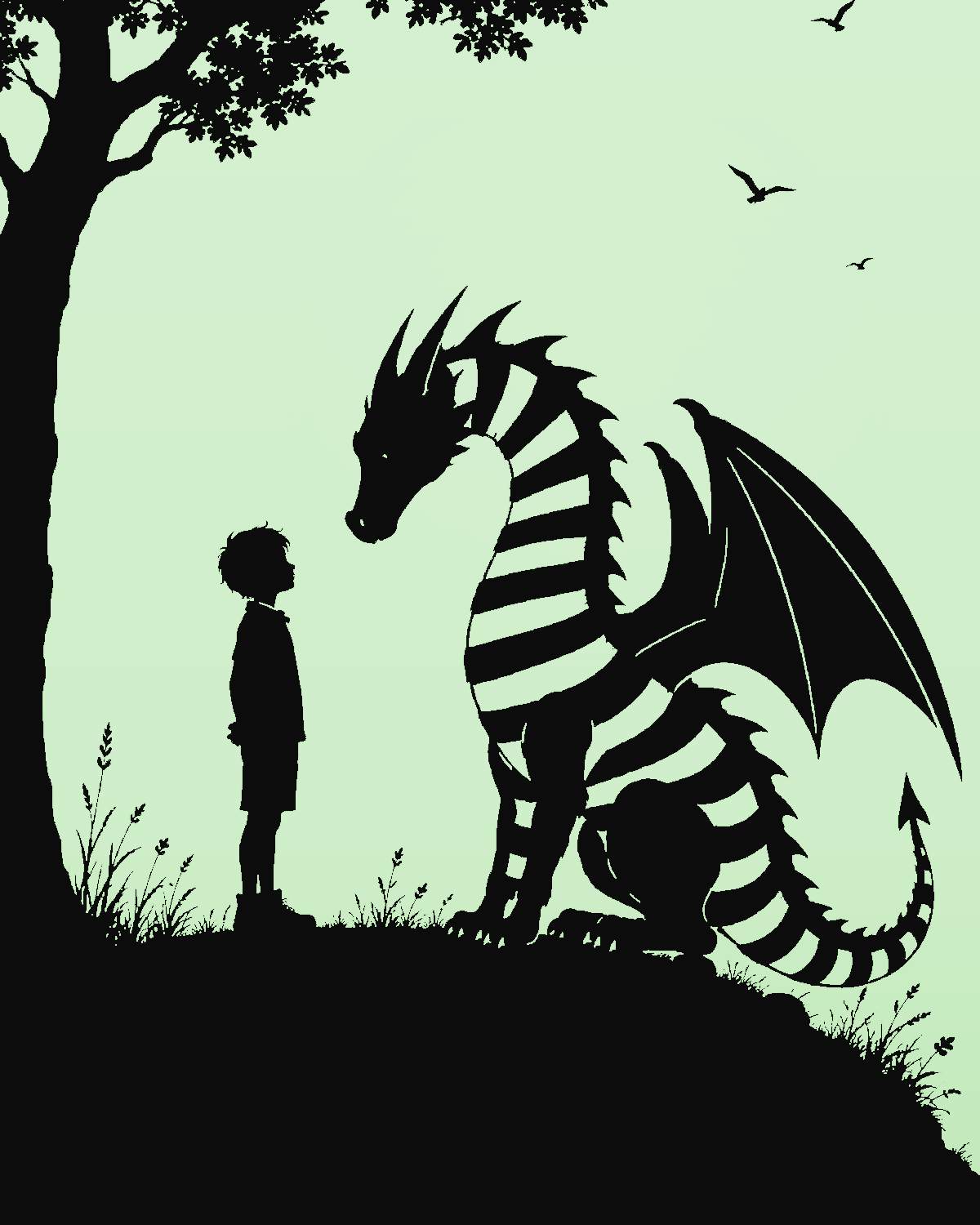
My Father’s Dragon cover
Garden Heights Academy

My Father's Dragon

This workbook is for Garden Heights members. Sign in to continue.

Sign in with Google →
New here? Just sign up with Google — your account includes Matilda, our gift book, forever.
My Father's Dragon · Garden Heights Academy

Part 4

for My Father's Dragon · Part 4 · Chapters 6
a novel by Ruth Stiles Gannett
25 min5 Parts
This workbook is built on a solid pedagogical foundation, effectively integrating content and language learning based on the CLIL framework (Content and Language Integrated Learning), elevated by our unique 5th C — Connection — and an integrated Standardized Test section that weaves every SAT & TOEFL question type right into the novel, so learners build real test skills easily, naturally, and with fun.
What Happens in Part 4

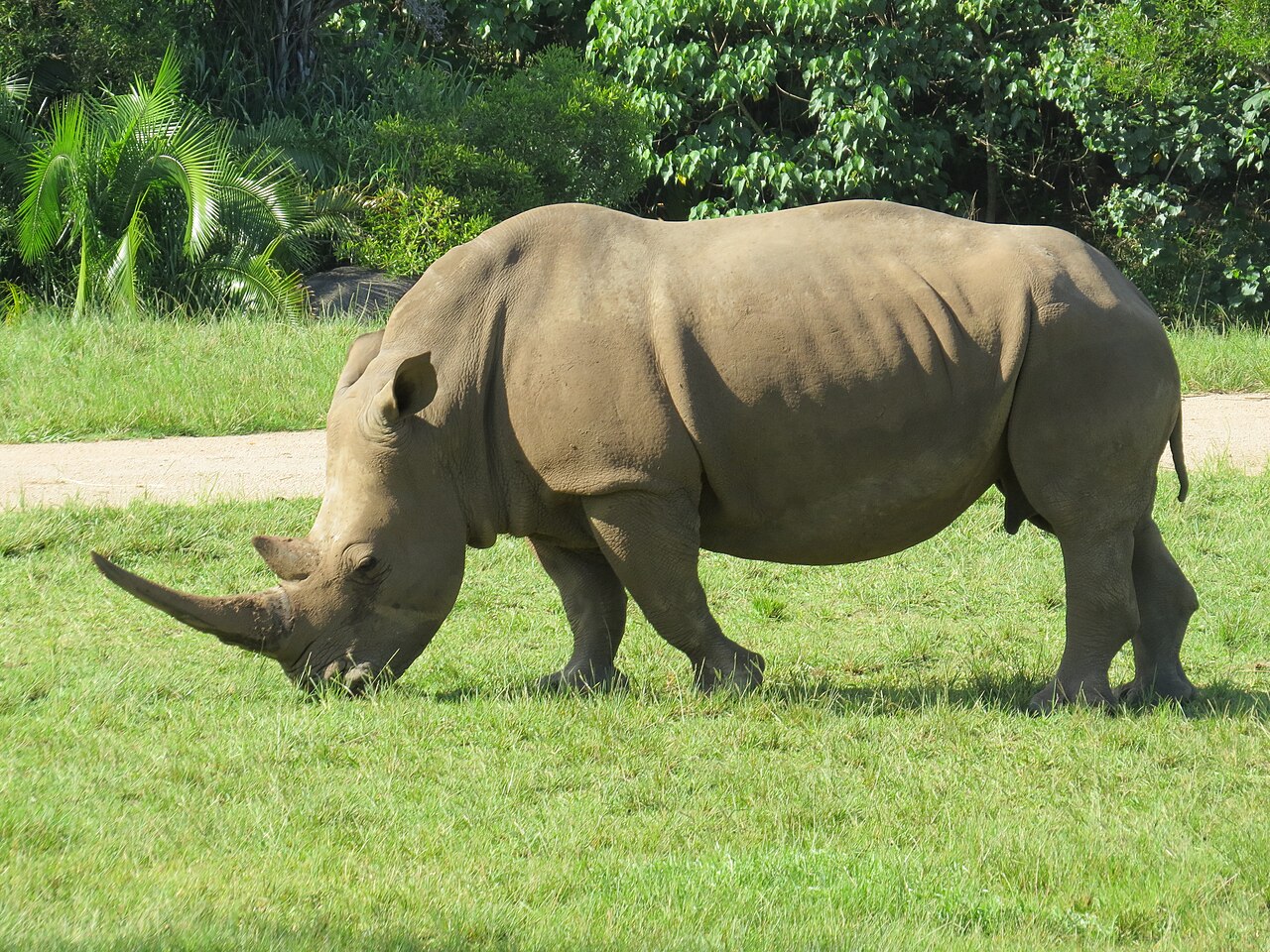
Next, Elmer meets a grumpy, weeping rhinoceros who is miserable because his beautiful tusk has grown dull, yellow, and dirty, and he does not know how to clean it. Spotting a chance, Elmer offers a perfect solution: he hands the rhinoceros his tube of toothpaste and a toothbrush and shows him how to scrub his tusk sparkling white again. The delighted rhinoceros becomes so happily absorbed in polishing his tusk that he pays no attention at all to Elmer, who once again uses kindness and cleverness to continue safely on his way.

What We Will Learn
FocusWhat It Means
Problem-SolvingHelping an animal solves Elmer’s problem too
Science (Rhinoceros)Real facts about the rhino and its horn
ThemeKindness as a clever tool
Chapter Summary
ChapterKey Events
Ch.6A sad rhinoceros has a dull, dirty tusk; Elmer gives him toothpaste and a brush, and the busy rhino lets Elmer pass
💭 Before You Read · Warm-Up (not scored)

There are no wrong answers here — just think, guess, and talk:

  • This time Elmer doesn’t trick the animal — he genuinely helps the sad rhino clean his tusk. Is solving someone’s problem a better way past them than fooling them? Why?
  • Elmer wins by noticing exactly what each animal needs. Why is paying close attention to others such a powerful skill?
  • Predict: a proud lion with a messy mane is next. What do you think Elmer will pull from his knapsack this time?
Copyright Notice

This is an independent study guide created by Garden Heights Academy to support reading comprehension and literary analysis. It contains original analysis questions and does not reproduce any text from the novel. My Father's Dragon is a work by Ruth Stiles Gannett. This guide is not affiliated with, authorized by, or endorsed by the author or any associated rights holders. Students should read the original book, available from libraries and booksellers.
Part 1
Vocabulary
Study 10 key words from Chapters 6, then answer each question.
🦏Knowledge Bank · All About Rhinoceroses
Biology · RhinocerosesA rhinoceros is an enormous plant-eater with thick, folded skin like plates of armor and one or two horns rising above its nose. That horn is not bone at all. It is built of keratin, the very same material as your hair and fingernails, and it keeps growing slowly throughout the animal’s life. Rhinos see poorly, which is why they startle and charge so easily, but their sense of smell is superb and their hearing is sharp. A grown one can outweigh a small car while eating nothing but grass and leaves. Hunted for their horns, every living kind of rhinoceros is now rare and legally protected.
miserableadj.Ch.6
Very unhappy
“The rhinoceros felt miserable about his tusk.”
dulladj.Ch.6
Not shiny or bright
“His tusk had grown dull and yellow.”
polishv.Ch.6
To rub something to make it shine
“Elmer showed him how to polish his tusk.”
solutionn.Ch.6
An answer that solves a problem
“Elmer offered a clever solution.”
absorbedadj.Ch.6
Giving something all your attention
“The rhino was absorbed in polishing.”
delightedadj.Ch.6
Very pleased and happy
“The rhino was delighted with his tusk.”
sparklingadj.Ch.6
Shining brightly
“His tusk turned sparkling white.”
grumpyadj.Ch.6
Cross and bad-tempered
“The grumpy rhino was crying.”
offerv.Ch.6
To hold out something to give
“Elmer offered him the toothpaste.”
gleamingadj.Ch.6
Smooth and shining
“The clean tusk was gleaming.”

ⓘ The vocabulary words in this list are selected to help you understand and complete this workbook. Some may not appear verbatim in the original novel.

1Very unhappy means ___.Ch.6
2True or False: Something “dull” is bright and shiny.Ch.6
3To rub something to make it shine is to ___ it.Ch.6
4True or False: A “solution” is an answer that solves a problem.Ch.6
5Fill in each blank with the correct word.Ch.6
Word choices:miserablepolishsolutiondull- some words will not be used
The rhino was about his tusk, so Elmer offered a .
6True or False: To be “absorbed” in something is to give it all your attention.Ch.6
7Very pleased and happy means ___.Ch.6
8True or False: “Sparkling” means shining brightly.Ch.6
9Fill in the blanks with the correct words.Ch.6
Word choices:grumpyoffergleamingdelighted- some words will not be used
Elmer chose to toothpaste, and soon the tusk was .
10Cross and bad-tempered means ___.Ch.6
Part 2
Comprehension
How well do you understand Chapters 6?
🪥Knowledge Bank · Why Brushing Works
Health Science · Teeth and BrushingScrubbing a dull tusk bright is exactly what people do to their own teeth each morning. Toothpaste carries gentle scratchy grains that scour away the sticky film called plaque, plus a soapy ingredient that lifts the loosened bits clear. The brush does most of the real work; the paste helps and makes the job taste pleasant. Ancient Egyptians mixed a cleaning powder from crushed shells, and bristled brushes were sold in China hundreds of years ago. Left alone, plaque hardens into a rough crust and any shine disappears. So polishing a tusk with paste and patience is not nonsense at all — it is ordinary, sensible cleaning.
1Why is the rhinoceros so unhappy?Ch.6
2What does Elmer give the rhinoceros?Ch.6
3What does the rhinoceros do with Elmer’s gift?Ch.6
4True or False: The busy rhinoceros stops paying attention to Elmer.Ch.6
5Write the numbers 1–5 in the boxes to show the correct order across Part 4. Number 1 = what happens first.Ch.6
  • Elmer learns the rhino is sad about his dull, dirty tusk.
  • Elmer offers him toothpaste and a toothbrush.
  • Busy with his tusk, the rhino lets Elmer pass.
  • The rhino happily scrubs his tusk sparkling white.
  • Elmer meets a grumpy, weeping rhinoceros.
6True or False: Elmer scares the rhinoceros away with a loud noise.Ch.6
7How does Elmer get past the rhinoceros?Ch.6
8How does the rhinoceros feel after cleaning its tusk?Ch.6
9True or False: Elmer’s kindness is also a clever way to get past the animal.Ch.6
10Fill in the blanks to complete the sentence.Ch.6
Word choices:tusktoothpastehorngum- some words will not be used
Elmer gave the rhino to clean his dull .
Part 3
Literary Elements
Understanding HOW and WHY Ruth Stiles Gannett creates certain feelings across Chapters 6.
🌱Knowledge Bank · Kindness as a Solution
Literary Craft · ThemeA theme is the big idea an author repeats until a reader cannot possibly miss it. One theme running through this book is that kindness accomplishes what force never could. Elmer does not battle the creatures blocking him; he works out what is troubling each one, offers help, and is waved along. Writers rarely announce a theme in a single sentence. They build it scene by scene, so you collect it slowly by asking what keeps happening and what the story seems glad about. When the same quiet idea wins over and over, you have found the book’s heart.
📚 Literary Devices in This Part · definitions & examples
A theme here: kindness and helpfulness can solve problems and win others over.
The dull tusk is the problem; the toothpaste is the helpful solution.
Characterization: Elmer helping the rhino shows he is kind, not just clever.
The questions below are mixed — not grouped by device. Decide which device each one is about.
1The idea that kindness and helping others can solve problems is the story’s —Ch.6
2A theme is the big idea or message a story explores.Ch.6
3Fill in each blank with the correct word.Ch.6
Word choices:themeproblemsolutionsetting- some words will not be used
The rhino’s dull tusk is the
The toothpaste is Elmer’s helpful .
4The rhino’s dull, dirty tusk is the story’s —Ch.6
5A theme is only the exact place where the story is set.Ch.6
6Fill in each blank with the correct word.Ch.6
Word choices:characterizationthemesolutionmood- some words will not be used
Helping the sad rhino shows Elmer is kind, an example of
The lesson that kindness solves problems is the .
7Elmer helping the rhino shows he is kind, not just clever. This is —Ch.6
8How does the toothpaste solve the rhino problem?Ch.6
9Fill in each blank with the correct word.Ch.6
Word choices:characterizationthemeproblemplot- some words will not be used
Elmer’s kindness to the rhino builds his
The idea that helping wins others over is the story’s .
10The rhino scene mainly develops the theme that —Ch.6
Part 4
Think Deeper
Four deeper challenges — no single-word recall. Read, weigh the evidence, and reason it through.
🧞Knowledge Bank · Being Noticed
Psychology · Attention and ComfortWhy should an enormous, dangerous animal settle down simply because a small boy pays it attention? Researchers who study feelings would say the creature wanted to be noticed. People and animals both calm when somebody takes seriously the thing they care about; it is why a crying child quiets once an adult finally listens instead of scolding. Nurses, teachers, and zookeepers all use the same order: name the trouble, treat it as real, then help. Force would only have started a fight nobody could win. Asking what is wrong costs nothing and changes almost everything, which makes patient listening a genuine kind of power.
1Claim: “Elmer gets past the rhinoceros by solving its problem.” — choose the two details that best prove it.Claim & Evidence
2Shows Elmer solving the rhino’s problem, or just a detail of the scene? Tap each item to send it left or right.Sort into two
◄ Solving the problemJust a detail ►
3Match each cause to its result. For each cause, pick its result.Cause & Effect
The rhino weeps over its dull tusk
Elmer offers his toothpaste
The rhino is busy scrubbing
Elmer solves the rhino’s worry
4Fill both blanks to complete the reasoning.Build the Argument
Elmer gets past the rhinoceros because , which shows that .
Part 5
Standardized Test
Inference & Author’s Purpose — SAT & TOEFL-style practice
🎯 You already have the skills from the sections above — this is just a fun way to meet real SAT & TOEFL-style questions. Read the passage (the highlighted words are tested below), then answer the questions below. Tap an answer to select it, then tap it again to confirm — you can change your choice until you confirm.

Some people seem to know exactly how to help, as if by magic. The secret is not magic at all; it is the quiet skill of paying attention. Before you can solve someone’s problem, you first have to notice what the problem really is — and that means watching and listening more than talking. A good helper looks for small signs: a slumped shoulder, a quiet voice, a task someone keeps struggling with. These clues reveal a need the person may never say aloud. Scientists who study kindness find that the most helpful people are often the most observant ones, because they act on what they see rather than on what they assume. Best of all, this is a skill anyone can grow: simply slow down, watch, and ask yourself what the other person might be feeling. A small act of help, aimed at the right need, can do more good than a hundred kind words aimed at the wrong one.

Original passage written for Garden Heights — not a quotation from the novel.
1According to the passage, the “secret” of knowing how to help is —TOEFL · Factual Information
2According to the passage, a good helper mostly relies on —TOEFL · Factual Information
3To “notice” a problem is to —SAT · Words in Context
4“Signs” in this passage are —SAT · Words in Context
5Why are the most helpful people often the most “observant”?SAT · Inference
6“Observant” most nearly means —SAT · Words in Context
7According to the passage, how can a person grow this skill?TOEFL · Factual Information
8Insert Text (TOEFL). Look at the four squares [1][4] in the excerpt below. They show where this sentence could be added:
“A quiet word at the right moment, for instance, can help far more than a loud crowd of cheers.”
The best helpers pay close attention. [1] They notice small signs that reveal a hidden need. [2] Then they act on exactly what that person seems to need. [3] Help aimed at the real need does the most good. [4]
Where would the sentence fit best?
TOEFL · Insert Text
9Which sentence best states the main idea of the passage?SAT · Central Ideas
10The author contrasts “a small act of help” with “a hundred kind words” mainly to —TOEFL · Rhetorical Purpose
Part 6 · Optional
Creative Writing
A bonus challenge to practice your English. Take your time and have fun with it.
About This Section

This writing task is optional and is not part of your auto-graded score. The feedback below checks only the basics — length, spelling, and grammar — not whether your ideas are right or wrong. It is meant for classroom discussion and creative practice, so feel free to use your imagination!

Writing Task — Part 4 “Helping Solves Problems”

Elmer gets past the rhinoceros by kindly helping it. Write about a time helping someone also helped you, or how being kind solved a problem. What happened? Write at least 40 words.

You can start with: “By choosing to help instead, I found that…”
0 / 40 words minimum
🗣 Teach It · Just for Fun (optional)

No right or wrong — close the screen and tell someone nearby what happened in this part. Can’t find anyone? Tell yourself out loud. The moment you teach it, you truly understand it.

Garden Heights Academy

Part 4 Complete!

You finished Chapters 6 of My Father's Dragon.

Here are your auto-graded results:

-
points out of 100
Your Writing

Your writing was checked automatically for length, spelling, grammar, and whether you included the key parts of the scene. Scroll back to Part 5 anytime to read your feedback and improve your work.

Move on to Part 5 →

Independent study guide by Garden Heights Academy. Not affiliated with or endorsed by the author or any rights holders. Contains original analysis only; no text from the novel is reproduced.