Pippi Longstocking cover
Garden Heights

Pippi Longstocking

This workbook is for Garden Heights members. Sign in to continue.

Sign in with Google →
New here? Just sign up with Google — your account includes Matilda, our gift book, forever.
Pippi Longstocking · Garden Heights

Part 4

for Pippi Longstocking · Part 4 · Chapters 5–6
8 Parts40 min
What Happens in Part 4

A lazy day at the gate turns into pure Pippi. Perched on the fence eating pears, she meets a girl searching for her father and spins a gloriously impossible story about people in faraway lands — then cheerfully admits she is lying, because with Pippi even fibs are a game played in the open. Next the three friends discover that the great old oak in her garden is hollow inside: a ready-made secret room. They climb in and hold a proper coffee party in the heart of the tree. In Chapter 6 Pippi organizes an expedition — a grand word for a picnic — marching Tommy and Annika into the countryside with a feast in her basket. The day brings a dive from a cliff, a furious bull who charges Tommy and meets his match in Pippi, a briefly missing Mr. Nilsson, and a walk home singing about summer.

What We Will Learn
SectionWhat you will practice
VocabularyWords of adventure outdoors: hollow, expedition, cliff, furious, charge, feast…
Literary ElementsImagery, exaggeration for humor, and episodic plot
Cross-CurricularWhy old oaks go hollow inside, and how to stay safe around grazing cattle
Chapter Summary
Ch.What happens
5aOn the Gate — pears, a searching girl, and a tall tale Pippi happily confesses is invented.
5bThe Hollow Oak — the friends find a secret room inside the old tree and hold a coffee party there.
6aThe Expedition — Pippi packs a feast and leads a grand march into the countryside.
6bThe Bull & the Way Home — Pippi saves Tommy from a charging bull, finds Mr. Nilsson, and the day ends in song.
Part 1
Vocabulary
Study 10 key words from Chapters 5–6, then answer each question.
🧠Knowledge Bank · How Strong Is a Bull?
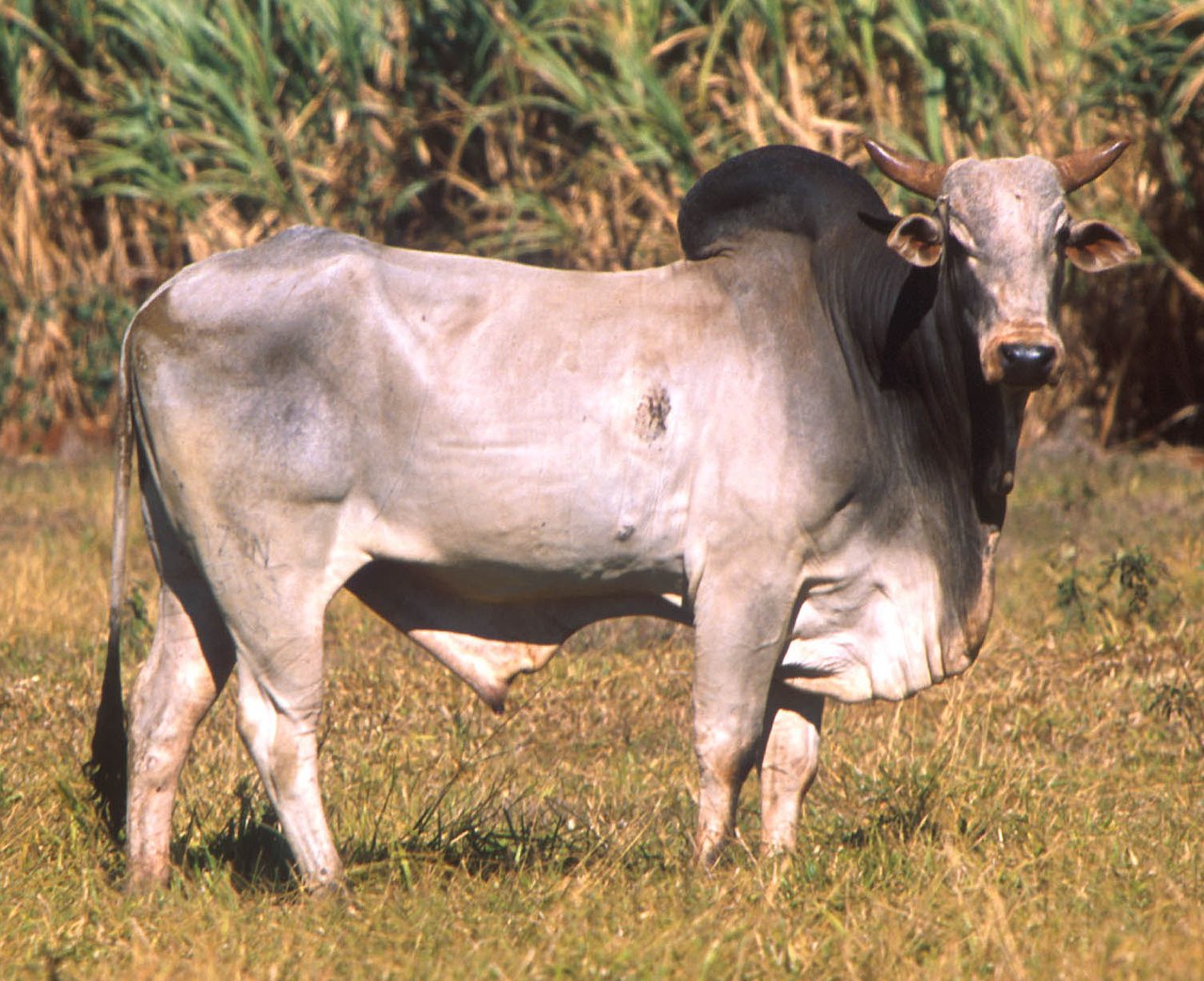
Animal Biology · The Power of a BullIn the picnic field Pippi grabs a charging bull by the horns and tosses it aside — a feat that plays on real animal power. A grown bull can weigh close to a thousand kilograms, ten or twelve times a child, and drives that mass with thick neck and shoulder muscles built for pushing. Because force grows with both weight and speed, a charging bull carries far more of it than any person could ever meet head-on, which is why farmers respect strong fences and keep their distance. Knowing that true danger is what makes Pippi’s toss so astonishing: she meets an animal no human could stop and handles it like a playful puppy. Lindgren picks the mightiest beast a Swedish child might fear, then lets her heroine make it look almost weightless.
hollowadj.Ch.5
Having an empty space inside
“The old oak was hollow inside.”
expeditionn.Ch.6
A journey made with a purpose
“Pippi announced a grand expedition.”
cliffn.Ch.6
A high, steep face of rock
“Pippi dove straight off the cliff.”
furiousadj.Ch.6
Extremely angry
“The furious bull pawed the ground.”
chargev.Ch.6
To rush forward in attack
“The bull began to charge at Tommy.”
feastn.Ch.6
A large, special meal
“Her basket held a whole feast.”
confessv.Ch.5
To admit the truth
“Pippi confessed her story was invented.”
perchv.Ch.5
To sit on the edge of something high
“She perched on the gate, eating pears.”
explorev.Ch.5–6
To search a place to learn about it
“They explored the inside of the oak.”
summitn.Ch.6
The very top of a hill or rock
“From the summit they could see the whole meadow.”

ⓘ The vocabulary words in this list are selected to help you understand and complete this workbook. Some may not appear verbatim in the original novel.

1A journey made with a purpose is an ___.Ch.6
2A ‘hollow’ tree is solid wood all the way through.Ch.5
3A high, steep face of rock is a ___.Ch.6
4To ‘confess’ means to admit the truth about something.Ch.5
5Fill in each blank with the correct word.Ch.5–6
Word choices:furiousfeastperchcliff- some words will not be used
The bull snorted and pawed the ground.
Pippi unpacked a from her basket.
6When a bull rushes forward to attack, it begins to ___.Ch.6
7Someone who is ‘furious’ is only slightly annoyed.Ch.6
8To sit on the edge of something high is to ___ there.Ch.5
9Fill in the blanks with the correct words.Ch.5–6
Word choices:exploresummitconfessexpedition- some words will not be used
The children climbed in to the hollow oak.
From the of the rock, the view stretched for miles.
10A large, special meal is called a ___.Ch.6
Part 2
Comprehension
Show you understood what happens in Chapters 5–6.
🧠Knowledge Bank · Two Days, One Pattern
Comprehension · Chapters 5–6Both chapters begin with something perfectly ordinary — a gate to sit on, a picnic to pack — and then let Pippi’s strength turn the ordinary marvelous. Reading well means spotting that repeated shape, the pattern a writer uses again and again. Here the pattern is simple: take a plain event, add impossible power, and watch it bloom into adventure. A tree becomes a house with lemonade inside; a quiet meadow becomes an arena where a girl lifts a bull. When you notice the same design running through different scenes, you can predict how the next one will unfold and feel how the author is building rhythm. Tracking a pattern across chapters is a comprehension skill that turns scattered events into a story you can hold whole in your mind.
1What is Pippi doing when the searching girl passes the gate?Ch.5
2In the middle of her tall tale, Pippi cheerfully admits she is lying.Ch.5
3What do the friends discover about the old oak?Ch.5
4What do the children do inside the tree?Ch.5
5Write the numbers 1–5 in the boxes to show the correct order of events in Chapters 5–6. Number 1 = what happens first.Ch.5–6
  • The friends hold a coffee party inside the hollow oak.
  • Perched on the gate, Pippi spins a tall tale for a passing girl.
  • Mr. Nilsson turns up in a tree and the day ends in song.
  • Pippi leads the expedition into the countryside with a feast.
  • A furious bull charges at Tommy in the meadow.
6Pippi calls the picnic an ‘expedition’ to make it grander.Ch.6
7Who does the bull charge at first?Ch.6
8How does the trouble with the bull end?Ch.6
9Mr. Nilsson disappears during the picnic and is found in a tree.Ch.6
10How does the expedition day end?Ch.6
Part 3
Literary Elements
Understanding HOW and WHY Astrid Lindgren tells the story across Chapters 5–6.
🧠Knowledge Bank · Painting with Words
Narrative Craft · Painting with WordsThese chapters glow with imagery — language that paints pictures for your five senses. You can almost taste warm pears on a sunny fence and smell coffee steam rising inside a hollow oak. Lindgren layers these cosy, believable details on purpose, because the more real the world feels, the more shocking Pippi’s impossible strength becomes when she hoists a bull inside it. That is the quiet trick: vivid, ordinary sensations build a solid stage, and the single unbelievable act lands harder against it. Sensory writing is not just decoration; it makes a reader’s body lean into the page so the tall-tale feat feels physical too. When you catch yourself picturing the scene as if you stood in that meadow, you are feeling the true power of imagery.
Imagery
Words that appeal to the senses — taste of pears, dark hush inside the oak, sun on the meadow.
Exaggeration
Stretching the truth for humor — a girl out-wrestling a bull keeps peril playful.
Episodic Plot
A story built as separate adventures — each chapter stands alone, linked by the same friends.
1The taste of pears, the hush inside the oak, and sun on the meadow are examples of ___.Ch.5–6
2Fill in the blank with the correct literary term.Ch.5–6
Word choices:episodicimageryironysequel- some words will not be used
A plot built of separate stand-alone adventures is called .
Sense-filled description like coffee steam in a dark tree is .
3Lindgren describes the bull fight like a circus act mainly to ___.Ch.6
4An episodic plot ties every chapter to one single long problem.Ch.5–6
5Pippi confessing her lie in the middle of telling it makes her fibs feel like ___.Ch.5
6The hollow oak works as a symbol of ___.Ch.5
7Calling a picnic an ‘expedition’ is a playful use of exaggeration.Ch.6
8Fill in the blank with the correct literary term.Ch.6
Word choices:exaggerationimageryflashbackmoral- some words will not be used
Stretching the truth for humor — wrestling a bull barehanded — is .
9The singing walk home at the chapter’s end leaves the reader feeling ___.Ch.6
10Which line of thinking best explains why each chapter stands alone?Ch.5–6
Part 4
Think Deeper
Four deeper challenges — no single-word recall. Read, weigh the evidence, and reason it out.
🧠Knowledge Bank · The Power to Transform an Ordinary Day
Child Psychology · The Power to Transform an Ordinary DayNothing in these chapters is truly new — a gate, a tree, a picnic, a field. What changes is the way Pippi sees them: a fence becomes a perch, a hollow oak becomes a secret house, a dull meadow becomes an adventure. Her super-strength gets the headlines, but her real magic is imagination, the power to look at plain things and find play inside them. Ask yourself which gift you would rather have. The bull-tossing is impossible and always will be, yet the habit of turning an ordinary afternoon into something wonderful is a strength any child can actually practice. Lindgren slips that lesson under the fun: adventure is less about where you are than about how you choose to see it — a quiet, everyday wonder.

Think back across the two days. A fence becomes a storyteller’s stage; a confessed fib becomes a game instead of a sin. An old tree opens into a café with room for three. A picnic marches out under an explorer’s flag, survives one furious bull, loses and finds one small monkey, and comes home singing. Tommy and Annika’s summer — and their courage — will never be the same.

Original passage written for Garden Heights — not a quotation from the novel.
1Claim: “Pippi transforms ordinary things into adventures.” — choose the two details that best prove it.Claim & Evidence
2Really happened, or Only in Pippi’s tall tale? Tap each detail to send it left or right.Sort into two
◄ Really happenedOnly in Pippi’s tall tale ►
3Match each cause to its result. For each cause, pick its result.Cause & Effect
The old oak’s heartwood has rotted away
Pippi packs a feast and a grand plan
The bull sees the children in his meadow
Pippi steps between Tommy and the bull
4Fill both blanks to complete the reasoning.Build the Argument
Lindgren lets Pippi confess her lies while she tells them because , which shows that .
Part 5
Standardized Test
Why Old Oaks Go Hollow · SAT & TOEFL-style practice
🎯 You already have the skills from the sections above — this is just a fun way to meet real SAT & TOEFL-style questions. Read the passage (the highlighted words are tested below), then answer the questions below. Tap an answer to select it, then tap it again to confirm — you can change your choice until you confirm.

An oak can live for five hundred years or more, and the oldest oaks share a secret: many are hollow. A tree trunk has two kinds of wood. The outer rings are alive, carrying water and food between roots and leaves; the inner core — the heartwood — is old, dead wood that mainly gives the tree strength. Over long centuries, fungi can slowly digest this dead core while the living outer shell keeps growing. The result looks dramatic but is usually harmless: a healthy, growing tree wrapped around an empty room. Far from being a problem, a hollow oak is a busy address. Owls nest in the openings, bats roost in the dark, and rare beetles chew the soft, crumbling wood. Scientists say such ancient trees are among the richest habitats in northern Europe, and Sweden protects many of its oldest oaks by name. A child who finds a hollow tree has really found two things at once: a hiding place, and a little apartment house for wildlife.

Original passage written for Garden Heights — not a quotation from the novel.
1According to the passage, which part of a trunk carries water and food?TOEFL · Factual Information
2In the passage, “heartwood” is ___.SAT · Words in Context
3What slowly digests the dead core of an old oak?SAT · Detail
4The passage says a hollow trunk is usually ___.TOEFL · Factual Information
5In the passage, “habitats” are ___.TOEFL · Vocabulary
6Which creatures does the passage mention using hollow oaks?SAT · Detail
7How does Sweden treat many of its oldest oaks?TOEFL · Factual Information
8What is the passage mainly about?SAT · Central Ideas
9How does the passage connect to Chapter 5?SAT · Text Connections
10Insert Text (TOEFL). Look at the four squares [1][4] in the excerpt below. They show where this sentence could be added:
“That is why a hollow trunk alone is no reason to cut a tree down.”
A tree trunk has living outer rings and a dead core. [1] Fungi may slowly hollow out that dead center over centuries. [2] The living shell, however, goes right on growing and feeding the tree. [3] Owls, bats, and beetles then move into the empty room. [4]
Where would the sentence fit best?
TOEFL · Insert Text
Part 6 · Optional
Creative Writing
A bonus challenge to practice your English. Take your time and have fun with it.
About This Section

This writing task is optional and is not part of your auto-graded score. The feedback below checks only the basics — length, spelling, and grammar — not whether your ideas are right or wrong. It is meant for classroom discussion and creative practice, so feel free to use your imagination!

Writing Task — Part 4 “Our Secret Headquarters”

The three friends turn a hollow oak into a secret room. Describe the perfect secret headquarters for you and your friends. Where is it hidden, how do you get in, and what one rule must every member obey? Write at least 40 words.

You can start with: “You would never find it unless I showed you…”
0 / 40 words minimum
🗣 Teach It · Just for Fun (optional)

No right or wrong — close the screen and tell someone nearby what happened in this part. Can’t find anyone? Tell yourself out loud. The moment you teach it, you truly understand it.


Garden Heights

Part 4 Complete!

You finished Chapters 5–6 of Pippi Longstocking.

Here are your auto-graded results:

-
points out of 100
Your Writing

Your writing was checked automatically for length, spelling, grammar, and whether you included the key parts of the scene. Scroll back to Part 5 anytime to read your feedback and improve your work.

Move on to Part 5 →

Independent study guide by Garden Heights. Not affiliated with or endorsed by Astrid Lindgren. Contains original analysis only; no text from the novel is reproduced. Reference text: This workbook follows Astrid Lindgren’s classic text (the standard Puffin edition sold worldwide). Revised 2023 UK editions change some wording and may not match the vocabulary studied here.