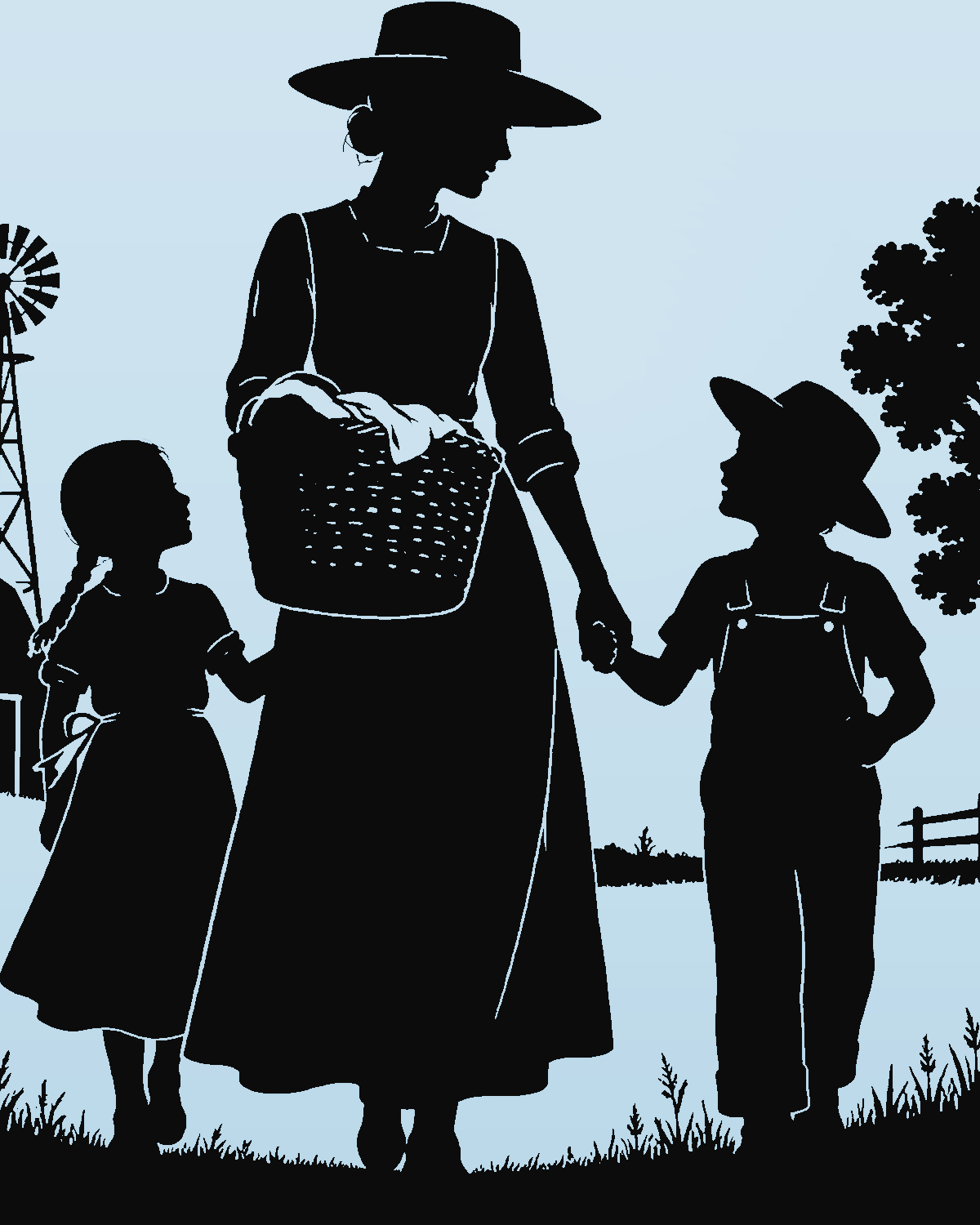
Sarah, Plain and Tall cover
Garden Heights Academy

Sarah, Plain and Tall

This workbook is for Garden Heights members. Sign in to continue.

Sign in with Google →
New here? Just sign up with Google — your account includes Matilda, our gift book, forever.
What Happens in Part 2

The waiting is over: Sarah arrives on the train after her long journey from Maine, and the family meets her at last. She is tall, kind, and just as honest in person as in her letters. Sarah has carried gifts from her seaside home — smooth sea shells, a moon snail, and other treasures from the shore — and, of course, her cat, Seal. She describes the ocean to Anna and Caleb: its colors, its sound, the dunes of sand. The children are nervous and hopeful all at once. Caleb, especially, watches Sarah closely, longing for her to like them and to stay — and quietly afraid that a woman who loves the sea so much may not be able to live so far from it.

What We Will Learn
FocusWhat It Means
SymbolismHow the sea shells stand for Sarah’s far-off home
GeographyThe huge distance between the Maine coast and the prairie
Theme (Hope & Fear)Welcoming a stranger, and dreading she may leave
Chapter Summary
ChapterKey Events
Ch.3Sarah arrives by train from Maine, bringing sea shells and her cat, Seal; she describes the ocean to Anna and Caleb, who are nervous and hopeful that she will stay
💭 Before You Read · Warm-Up (not scored)

There are no wrong answers here — just think, guess, and talk:

  • If you moved far away forever, what small object from home would you bring to remember it by — and why that one?
  • Meeting someone important for the very first time can feel both exciting and scary. Why do both feelings come at once?
  • Predict: Sarah loves the sea deeply, but the prairie has no sea at all. How might that missing ocean become a problem later?
Copyright Notice

This is an independent study guide created by Garden Heights Academy to support reading comprehension and literary analysis. It contains original analysis questions and does not reproduce any text from the novel. Sarah, Plain and Tall is a work by Patricia MacLachlan. This guide is not affiliated with, authorized by, or endorsed by the author or any associated rights holder.
Part 1
Vocabulary
Study 10 key words from Chapter 3, then answer each question.
🧠Knowledge Bank · Harbors, Tides, and Cold Water
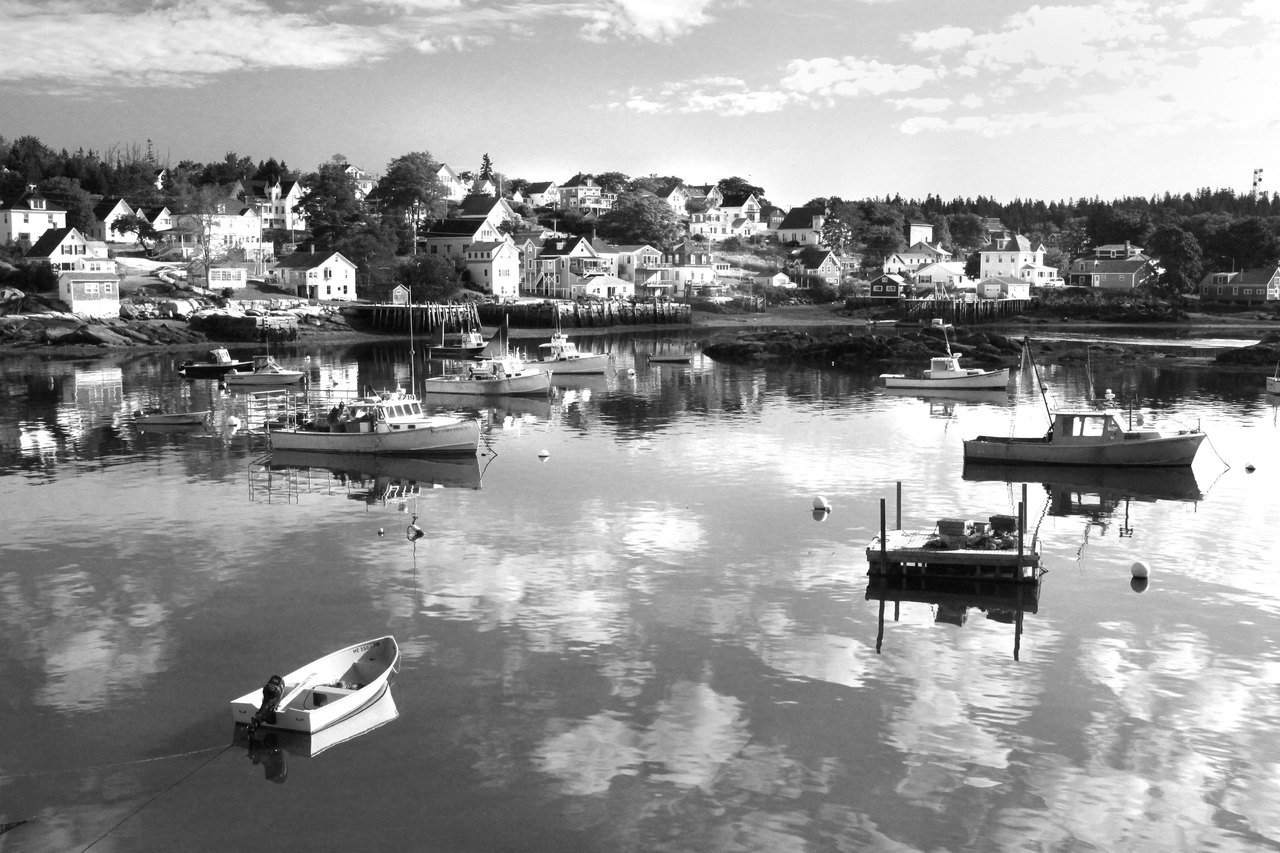
Coastal Geography · MaineMaine occupies the northeastern corner of the United States, where granite headlands drop straight into the cold Atlantic. Its shoreline twists into thousands of coves, and any cove sheltered and deep enough for boats is a harbor. Twice each day the ocean rises and falls several feet — the tide — uncovering wet ledge, seaweed, and pools where crabs and snails wait for the water to come back. Harbor seals haul out on those ledges to sleep in the sun. Fishing families read the water the way plains families read the sky, fitting every errand around its slow, dependable rhythm.
arrivev.Ch.3
To reach a place at the end of a journey
“The travelers were glad to arrive after the long trip.”
homesickadj.Ch.3
Sad because you are far from home
“Away at camp, the little boy felt homesick for his own bed.”
treasuren.Ch.3
Something valued and kept with care
“The shells were her treasure from a home by the sea.”
gentleadj.Ch.3
Kind, calm, and soft in manner
“The nurse had a gentle voice that calmed the frightened child.”
describev.Ch.3
To tell in words what something is like
“She tried to describe the color of the ocean at dawn.”
welcomev.Ch.3
To greet a guest kindly
“The whole family came out to welcome the visitor.”
harborn.Ch.3
A sheltered place where boats rest by the shore
“Fishing boats rocked quietly in the calm harbor.”
tiden.Ch.3
The daily rise and fall of the sea
“At low tide the children hunted for crabs among the rocks.”
memoryn.Ch.3
Something remembered from the past
“The smell of salt brought back a memory of the shore.”
nervousadj.Ch.3
Worried and uneasy about what might happen
“He felt nervous waiting to meet his new teacher.”
1To “arrive” somewhere means to ___.Ch.3
2True or False: Someone who is “homesick” feels sad because they are far from home.Ch.3
3Something valued and kept with care is a ___.Ch.3
4A person who is “gentle” is ___.Ch.3
5To “describe” the sea is to ___.Ch.3
6True or False: To “welcome” a guest is to turn them away coldly.Ch.3
7Fill in each blank with the correct word.Ch.3
Word choices:harbortidetreasurememory- some words will not be used
Boats rest safe in the near Sarah’s old home.
Twice a day the rises and falls along the shore.
8Fill in each blank with the correct word.Ch.3
Word choices:homesickwelcomegentlenervous- some words will not be used
Far from Maine, Sarah may grow for the sea.
The children her warmly to the farmhouse.
9A “memory” is ___.Ch.3
10Someone who is “nervous” feels ___.Ch.3
Part 2
Comprehension
How well do you understand Chapter 3?
🧠Knowledge Bank · A Continent by Railroad
Transport History · The RailroadThe trip from the Maine coast to the middle plains covers roughly two thousand miles. In a covered wagon that distance meant months of walking beside oxen; by railroad it shrank to a few days of smoke, soot, and rattling. Track spread across the grassland after the 1860s, and the trains carried three cargoes at once: passengers, freight, and the mail sacks that let separated families keep writing. Whole towns appeared wherever a locomotive stopped for water. For a traveler, though, the rails ran one way at a time — once the station shrank in the window, returning meant another long and costly journey.
1How does Sarah travel from Maine to the family’s farm?Ch.3
2What does Sarah bring from her home by the sea?Ch.3
3Sarah arrives at the farm with her cat, Seal.Ch.3
4What does Sarah describe to Anna and Caleb?Ch.3
5Put these events from Part 2 in the correct order. Write 1–5 (1 = first).Ch.3
  • Sarah shares shells and treasures gathered from the shore.
  • Papa brings Sarah home to the farm in the wagon.
  • Caleb quietly hopes that Sarah will like them and stay.
  • Sarah travels west from Maine by train.
  • Sarah describes the sea’s colors and sounds for the children.
6What does Caleb most quietly hope for?Ch.3
7Why is Sarah’s honesty easy to see when she arrives?Ch.3
8The shells matter to Sarah mainly because they ___.Ch.3
9True or False: Sarah pretends she does not miss the sea at all.Ch.3
10Why might the children secretly fear even as they hope?Ch.3
Part 3
Literary Elements
Understanding HOW and WHY Patricia MacLachlan tells the story across Chapter 3.
🧠Knowledge Bank · Painting for the Senses
Literary Craft · Sensory ImageryImagery is language aimed straight at the senses. Rather than reporting that a place was beautiful, a writer names what you would see, hear, smell, taste, and touch there, then lets your own memory assemble the picture. Sound and touch often work harder than sight: the boom of surf, the sting of salt, the chill of wet stone. This matters enormously in a book where one character must make an entire landscape appear inside the heads of children who have never left the grass. The right detail never merely describes a thing; it hands the reader an experience.
📚 Literary Devices in This Part · definitions & examples
A symbol is a real object that stands for a larger idea; here the sea shells stand for Sarah’s seaside home and her longing for it. Imagery is language that paints a picture for the senses; when Sarah describes the ocean’s colors and sound, she creates imagery so the prairie children can almost see and hear a sea they have never met.
1Fill in each blank with the correct literary term.Ch.3
Word choices:symbolmoodrhymeplot- some words will not be used
A real object standing for a bigger idea — like Sarah’s shells — is a .
The tender, hopeful feeling as Sarah arrives is the .
2The sea shells mainly stand for ___.Ch.3
3Fill in each blank with the correct literary term.Ch.3
Word choices:imagerysuspensesettingtitle- some words will not be used
Language that paints pictures for the senses is .
The quiet question — will she stay? — creates gentle .
4True or False: Imagery is language that appeals to the senses so you can almost see or hear a thing.Ch.3
5Why does the author let Sarah describe the sea so vividly?Ch.3
6Caleb watching Sarah so closely mostly builds a feeling of ___.Ch.3
7Naming the cat ‘Seal’ is an example of ___.Ch.3
8True or False: A symbol can only ever mean exactly what it is, and nothing more.Ch.3
9The overall mood as Sarah arrives is ___.Ch.3
10True or False: A symbol is a real object that stands for a larger idea, as the shells stand for the sea.Ch.3
Part 4
Think Deeper
Four deeper challenges — no single-word recall. Read, weigh the evidence, and reason it through.
🧠Knowledge Bank · What Homesickness Really Is
Psychology · HomesicknessDoctors have studied homesickness for centuries and no longer dismiss it as childishness. It is a kind of grief aimed at a place: the body misses familiar smells, sounds, food, and routines, and the mind keeps rehearsing them. The symptoms are genuinely physical — broken sleep, a tight stomach, a mood that drops for no visible reason. It bites hardest during the first weeks somewhere new, and it loosens fastest when a person builds small daily routines and finds one friend. It is also not the opposite of wanting to be there. Anyone can choose a new place and still ache.
1Claim: “Both Sarah and the children are hopeful but nervous at the first meeting.” — choose the two details that best prove it.Claim & Evidence
2Shows the hope and nerves of the meeting, or just a fact about Sarah? Tap each item to send it left or right.Sort into two
◄ Hope and nervesJust a fact about Sarah ►
3Match each cause to its result. For each cause, pick its result.Cause & Effect
Sarah’s long journey ends
The children hope she will stay
Sarah brings gifts from the sea
Sarah is honest and kind
4Fill both blanks to complete the reasoning.Build the Argument
The children watch Sarah so anxiously because , which shows that .
Part 5
Standardized Test
Key Details & Inference — SAT & TOEFL-style practice
🎯 You already have the skills from the sections above — this is just a fun way to meet real SAT & TOEFL-style questions. Read the passage (the highlighted words are tested below), then answer the questions below. Tap an answer to select it, then tap it again to confirm — you can change your choice until you confirm.

Long ago, before cars and aeroplanes, the fastest way to cross a great distance was by railroad. A steam locomotive pulled a line of cars along two iron rails, carrying people, mail, and goods far faster than any horse. In 1869 the first railroad stretched all the way across the United States, joining the crowded eastern coast to the wide, empty western plains. A journey that once took months by covered wagon could suddenly be made in only a few days. The railroad changed how people lived: a family could now settle hundreds of miles from where they were born, yet still receive letters and visitors. But the train also asked something hard of travelers. To board it was often to leave a home you might never return to, watching the only land you knew slide away behind the window. For every person the railroad carried toward a new life, there was usually an old life, and a beloved place, left behind. The iron road gave people the whole country — but it asked them to be brave enough to cross it.

Original passage written for Garden Heights — not a quotation from the novel.
1A “locomotive” is —SAT · Words in Context
2In what year did the first railroad stretch across the United States?TOEFL · Factual Information
3Before the railroad, how long could the same journey take?TOEFL · Factual Information
4To “settle” far from home means to —SAT · Words in Context
5The author says a traveler might never “return” home mainly to —SAT · Author’s Purpose
6Something left “behind” is —SAT · Words in Context
7Why does the passage say boarding the train “asked something hard”?SAT · Inference
8Calling travelers “brave” suggests the author sees boarding the train as —SAT · Inference
9Prose Summary (TOEFL). The passage explains how the railroad changed American life. This TOEFL task lists six sentences; choose the THREE that best capture the passage’s main ideas. The other three do not belong — they state minor details or ideas the passage does not present.TOEFL · Prose Summary
10The passage connects to Sarah’s story mainly because she —TOEFL · Rhetorical Purpose
Part 6 · Optional
Creative Writing
A bonus challenge to practice your English. Take your time and have fun with it.
About This Section

This writing task is optional and is not part of your auto-graded score. The feedback below checks only the basics — length, spelling, and grammar — not whether your ideas are right or wrong. It is meant for classroom discussion and creative practice, so feel free to use your imagination!

Writing Task — Part 2 “A Treasure from Home”

Sarah brings sea shells to share the home she loves. Describe one object that means ‘home’ to you. What is it, where did it come from, and what feelings or memories does it hold? Use words that appeal to the senses, the way Sarah describes the sea. Write at least 40 words.

You can start with: “If I had to carry one thing to remember home, it would be…”
0 / 40 words minimum
🗣 Teach It · Just for Fun (optional)

No right or wrong — close the screen and tell someone nearby what happened in this part. Can’t find anyone? Tell yourself out loud. The moment you teach it, you truly understand it.


Garden Heights Academy

Part 2 Complete!

You finished Chapter 3 of Sarah, Plain and Tall.

Here are your auto-graded results:

-
points out of 100
Your Writing

Your writing was checked automatically for length, spelling, grammar, and whether you included the key parts of the scene. Scroll back to Part 5 anytime to read your feedback and improve your work.

Move on to Part 3 →

Independent study guide by Garden Heights Academy. Not affiliated with or endorsed by the author or any rights holders. Contains original analysis only; no text from the novel is reproduced.