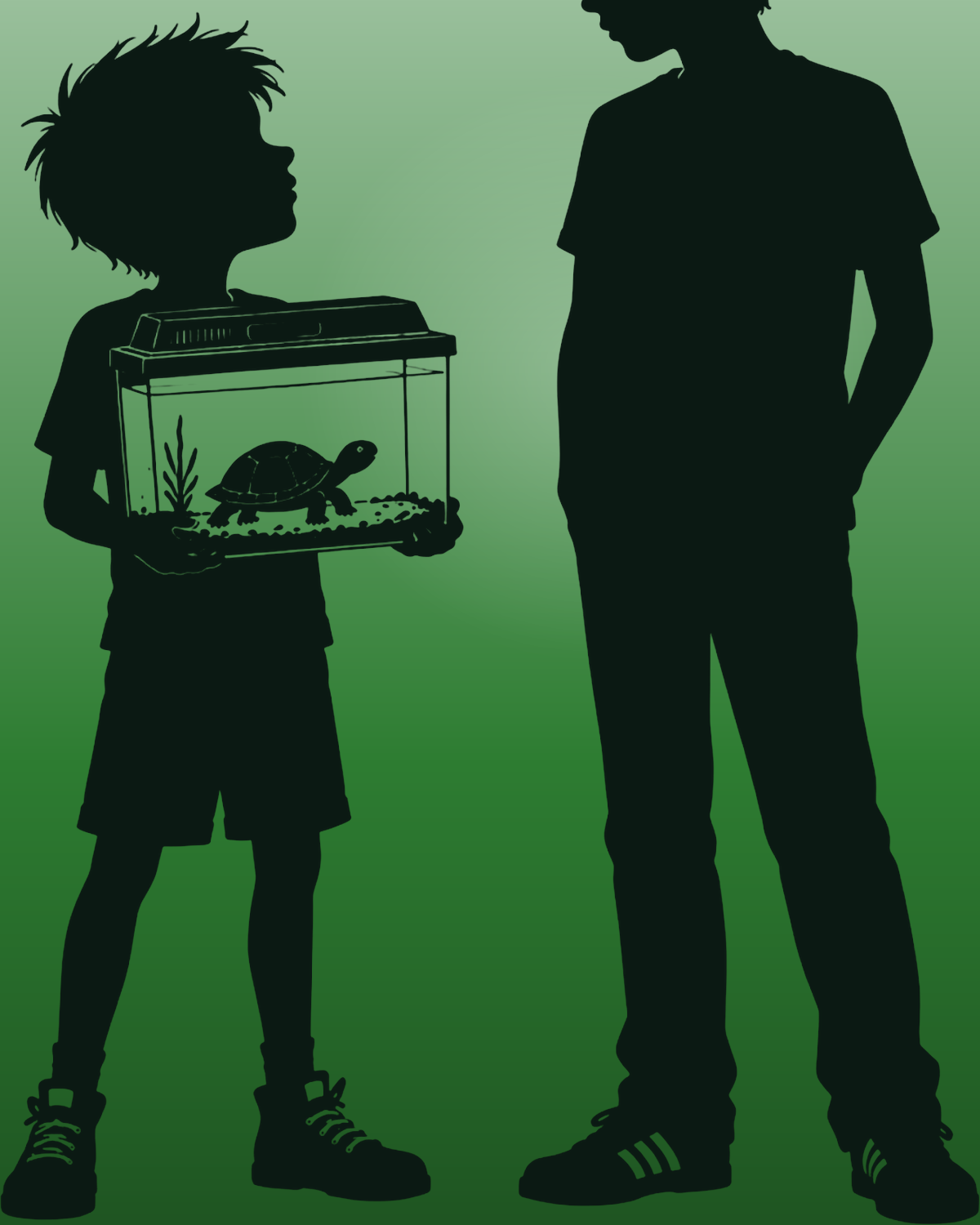
Tales of a Fourth Grade Nothing cover
Garden Heights Academy

Tales of a Fourth Grade Nothing

This workbook is for Garden Heights members. Sign in to continue.

Sign in with Google →
New here? Just sign up with Google — your account includes Matilda, our gift book, forever.
What Happens in Part 2

Peter’s father works in advertising, and he is hoping to win an important new client: Mr. Yarby, the owner of the “Juicy-O” juice company. To impress him, the Hatchers invite Mr. and Mrs. Yarby to stay as guests in their apartment. There is just one problem — the Yarbys do not have children and do not much like them, and Peter’s little brother Fudge is at his absolute worst. Fudge gets into everything, causes one disaster after another, and generally turns the important visit into a complete embarrassment. Peter watches it all unfold with a mixture of horror and (secretly) a little bit of amusement. The grown-up plan to impress Mr. Yarby collides head-on with the unstoppable force of a wild two-year-old — and the results are as disastrous as they are funny.

What We Will Learn
FocusWhat It Means
Comedy of EmbarrassmentHow Fudge wrecks the grown-ups’ careful plan
Advertising & BusinessPeter’s dad, a client, and a big account
Character (Fudge)The unstoppable force of a wild two-year-old
Chapter Summary
PagesKey Events
pp. 16–30Peter’s dad hopes to win the Juicy-O advertising account, so the family hosts Mr. and Mrs. Yarby — who dislike children; Fudge behaves terribly and turns the important visit into a hilarious disaster
💭 Before You Read · Warm-Up (not scored)

There are no wrong answers here — just think, guess, and talk:

  • The family tries hard to make a good impression, but Fudge ruins it. Why can trying TOO hard to impress people sometimes go wrong?
  • Advertising is all around us, trying to make us want things. What is an ad or jingle you remember — and did it make you want the product?
  • Predict: Fudge has embarrassed the family in front of an important guest. How do you think Peter’s parents will react?
Copyright Notice

This is an independent study guide created by Garden Heights Academy to support reading comprehension and literary analysis. It contains original analysis questions and does not reproduce any text from the novel. Tales of a Fourth Grade Nothing is a work by Judy Blume. This guide is not affiliated with, authorized by, or endorsed by the author or any associated rights holder.
Part 1
Vocabulary
Study 10 key words from pages 16–30, then answer each question.
🧠Knowledge Bank · How Advertising Works
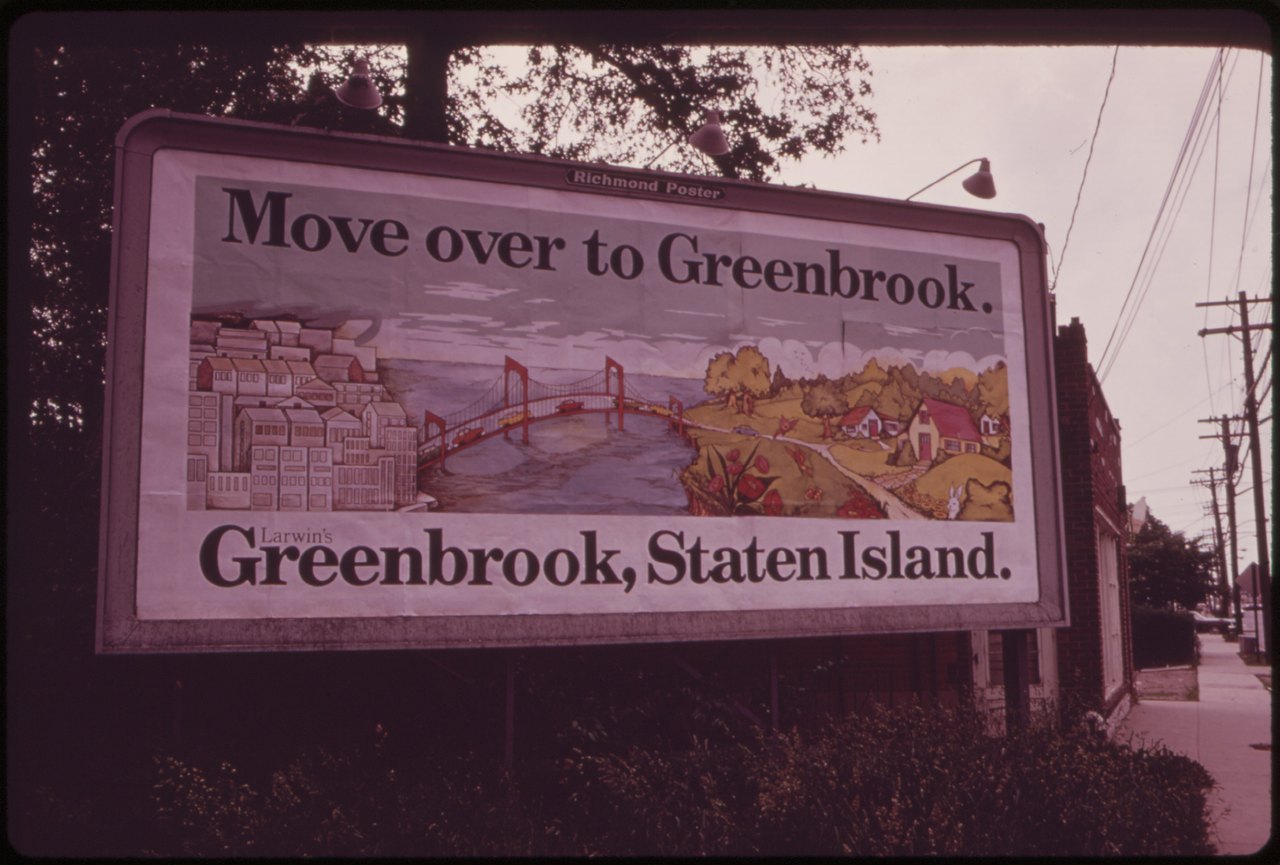
Media Industry · AdvertisingPeter’s father works in advertising, the business of persuading people to buy something. A company that makes a product hires an agency, and that company is called the client. The agency’s job is to invent a memorable idea: a slogan short enough to repeat, a jingle catchy enough to stick in your ear, a picture that makes an ordinary drink look like a holiday. In the 1970s those ideas traveled by television, radio, magazines, and painted billboards above the street, because no internet existed to carry them. Agencies lived or died by their list of clients, so one unhappy visitor could cost a family its income. Understanding that pressure explains why an ordinary dinner in a small apartment can feel to everyone present like a test.
advertisingn.p.16
The business of making ads to sell products
“Peter’s father worked in advertising.”
clientn.p.17
A company or person that hires and pays for a service
“Mr. Yarby would be an important client.”
guestn.p.18
A person invited to stay or visit
“The Yarbys came as guests to the apartment.”
impressv.p.19
To make someone admire you
“The family hoped to impress Mr. Yarby.”
embarrassmentn.p.26
A feeling of shame or awkwardness
“Fudge caused terrible embarrassment.”
disastern.p.24
A complete failure or catastrophe
“The visit turned into a disaster.”
behavev.p.22
To act properly and politely
“Fudge would not behave at all.”
mischiefn.p.22
Playful or annoying troublemaking
“Fudge was full of mischief.”
politeadj.p.20
Having good manners
“The parents tried to be polite hosts.”
accountn.p.17
A client’s business, handled by a company
“Dad hoped to win the Juicy-O account.”
1A ‘client’ is —Pages 16–30
2A ‘guest’ is someone who —Pages 16–30
3Fill in each blank with the correct word.Pages 16–30
Word choices:advertisingmischiefpolitecalm- some words will not be used
Peter’s father makes catchy ads for a living, a job in
Fudge is always getting into playful trouble, or .
4A ‘disaster’ is —Pages 16–30
5To be ‘polite’ is to have good manners.Pages 16–30
6An ‘account’ here is —Pages 16–30
7Fill in each blank with the correct word.Pages 16–30
Word choices:embarrassmentbehaveproudpolite- some words will not be used
Fudge’s antics fill Peter with red-faced
The Yarbys expect the boys to ___ well .
8To ‘impress’ someone is to —Pages 16–30
9To be ‘rude’ is to —Pages 16–30
10To ‘giggle’ is to cry loudly in pain.Pages 16–30
Part 2
Comprehension
How well do you understand pages 16–30?
🧠Knowledge Bank · Reading Ahead of the Page
Cognitive Science · PredictionYour mind does not wait politely for a story to happen; it runs ahead and guesses. Psychologists call this prediction, and it is one reason reading feels active rather than passive. Writers know about it and feed it deliberately. Place an important guest, a nervous host, an expensive meal, and an uncontrollable toddler in one small room, and every reader alive begins bracing for the crash. The pleasure lives in the gap between the guess and the arrival. To predict well, stop at the end of a scene and ask what each clue has been set down to prepare, then what usually follows in stories built like this one. Sometimes you will be wrong, and being wrong is useful too, because a surprise shows you exactly what you had assumed.
1What is Peter’s father’s job?Pages 16–30
2Who is Mr. Yarby?Pages 16–30
3Why do the Hatchers host the Yarbys?Pages 16–30
4The Yarbys do not like children.Pages 16–30
5Write the numbers 1–5 in the boxes to show the correct order across Part 2. Number 1 = what happens first.Pages 16–30
  • Fudge misbehaves all through the visit.
  • Dad invites the Yarbys to dinner to impress them.
  • The important visit ends in total disaster.
  • Fudge ruins Dad’s Juicy-O advertising posters.
  • The Yarbys arrive and show they dislike children.
6Fudge turns the important visit into a disaster.Pages 16–30
7How does Fudge behave during the visit?Pages 16–30
8What does Fudge wreck?Pages 16–30
9How does Peter feel watching the chaos?Pages 16–30
10What mainly causes the comedy in this chapter?Pages 16–30
Part 3
Literary Elements
Understanding HOW and WHY Judy Blume tells the story across pages 16–30.
🧠Knowledge Bank · Escalation in Comic Writing
Comic Craft · EscalationComedy has structure, and one of its oldest structures is escalation: each mishap lands a little worse than the one before, so trouble climbs a staircase instead of exploding all at once. Stage farce ran on that rule for centuries before novels borrowed it. Escalation works on a reader’s nerves in two directions at the same time, since dread and laughter rise together and neither is allowed to win. Notice that a skilled writer never lets the disaster peak early; a scene that opens with a spilled drink must finish somewhere far worse. Notice the timing as well, the way a small pause before each new blunder gives you a moment to imagine what is coming. Learn to see problems being stacked, and you have found the machinery under almost every farce.
📚 Literary Devices in This Part · definitions & examples
Situational comedy is humor that arises from the situation itself — here, a high-stakes grown-up plan colliding with Fudge’s chaos. Escalation is when things get bigger or worse step by step, building the comedy. Peter’s first-person narration lets us enjoy the disaster from a safe, funny distance.
1Laughter from a careful plan crashing into chaos is —Pages 16–30
2Situational comedy is humor that comes from a clashing situation.Pages 16–30
3Fill in each blank with the correct word.Pages 16–30
Word choices:situational comedyfirst-person narratorthemesetting- some words will not be used
Laughter from a plan clashing with chaos is
Peter telling the story with ‘I’ makes him a .
4Peter telling the visit from his own view makes him the —Pages 16–30
5A first-person narrator shares only what that character sees and feels.Pages 16–30
6Fill in each blank with the correct word.Pages 16–30
Word choices:first-person narratorsituational comedythememood- some words will not be used
Peter narrating with ‘I’ makes him the
Comedy from a clashing situation is .
7The clash between the fancy dinner and Fudge’s chaos creates —Pages 16–30
8Because Peter narrates, we see the disaster only through —Pages 16–30
9Fill in each blank with the correct word.Pages 16–30
Word choices:situational comedyfirst-person narratorthemeplot- some words will not be used
Humor from a clash of plan and chaos is
Peter’s ‘I’ telling makes him the .
10Seeing the chaos through Peter’s eyes mainly makes it feel —Pages 16–30
Part 4
Think Deeper
Four deeper challenges — no single-word recall. Read, weigh the evidence, and reason it through.
🧠Knowledge Bank · Competing for Attention
Family Psychology · Sibling RivalryResearchers who study families treat rivalry between brothers and sisters as ordinary rather than shameful. Children compete for a limited supply of parental time and notice, and the competition sharpens when the age gap is wide enough that the two of them need completely different things. An older child remembers being the only one; a younger child has never known anything else. So when guests arrive and every adult eye locks onto the toddler, the older child does that arithmetic instantly and silently. What hurts is seldom the toddler himself. It is the discovery of having become furniture in a room that once revolved around you. Naming the feeling honestly, instead of scolding a child for having it, is how families begin making the quiet one feel visible.
1Claim: “Fudge’s behavior threatens his father’s important business deal.” — choose the two details that best prove it.Claim & Evidence
2Shows Fudge endangering the deal, or just a background detail? Tap each item to send it left or right.Sort into two
◄ Fudge endangering the dealJust a detail ►
3Match each cause to its result. For each cause, pick its result.Cause & Effect
Peter’s father wants the Juicy-O account
They hope to impress the guests
Fudge misbehaves badly
Fudge spoils the impression
4Fill both blanks to complete the reasoning.Build the Argument
Fudge’s behavior during the visit shows that , which means that .
Part 5
Standardized Test
Key Details & Inference — SAT & TOEFL-style practice
🎯 You already have the skills from the sections above — this is just a fun way to meet real SAT & TOEFL-style questions. Read the passage (the highlighted words are tested below), then answer the questions below. Tap an answer to select it, then tap it again to confirm — you can change your choice until you confirm.

Everywhere you look — on television, on your phone, on billboards along the road — someone is trying to sell you something. The business of creating these messages is called advertising, and its goal is simple: to persuade people to want, and buy, a product. Advertisers are clever. To make a product stick in your mind, they invent a short, catchy slogan or a tune called a jingle that you cannot help humming. They show happy, attractive people enjoying the product, hoping you will connect that good feeling with it. They may repeat the ad again and again, because the more often you see something, the more familiar and trustworthy it feels. None of this is exactly lying — but it is designed to work on your feelings more than your reason. That is why learning how ads work is a real skill: once you can recognize the tricks — the catchy jingle, the smiling faces, the constant repetition — you can enjoy a clever advertisement while still making up your own mind, instead of letting it quietly make up your mind for you.

Original passage written for Garden Heights — not a quotation from the novel.
1The goal of “advertising” is to —TOEFL · Factual Information
2To “persuade” people means to —SAT · Words in Context
3A “jingle” is —SAT · Words in Context
4The passage suggests that ads try to tie a product to your —SAT · Inference
5A short, catchy “slogan” is a phrase that —SAT · Words in Context
6Ads are designed to work on your —TOEFL · Factual Information
7What can the reader infer is the benefit of learning how ads work?SAT · Inference
8The passage mainly wants readers to learn ad tricks so they can —SAT · Rhetorical Purpose
9This TOEFL task lists six sentences; choose the THREE that best capture the passage’s main ideas. The other three do not belong — they state minor details or ideas the passage does not present.TOEFL · Prose Summary
10This passage connects to the chapter because Peter’s father —TOEFL · Rhetorical Purpose
Part 6 · Optional
Creative Writing
A bonus challenge to practice your English. Take your time and have fun with it.
About This Section

This writing task is optional and is not part of your auto-graded score. The feedback below checks only the basics — length, spelling, and grammar — not whether your ideas are right or wrong. It is meant for classroom discussion and creative practice, so feel free to use your imagination!

Writing Task — Part 2 “An Ad That Stuck With Me”

Peter’s dad makes advertisements. Think of an ad, slogan, or jingle you remember well. Describe it, and explain why you think it stuck in your mind. Did it make you want the product? Or invent your own funny ad for something. Write at least 40 words.

You can start with: “One ad or jingle I can’t forget is…”
0 / 40 words minimum
🗣 Teach It · Just for Fun (optional)

No right or wrong — close the screen and tell someone nearby how Fudge ruins the important visit. Can’t find anyone? Tell yourself out loud. The moment you teach it, you truly understand it.

Garden Heights Academy

Part 2 Complete!

You finished pages 16–30 of Tales of a Fourth Grade Nothing.

Here are your auto-graded results:

-
points out of 100
Your Writing

Your writing was checked automatically for length, spelling, grammar, and whether you included the key parts of the scene. Scroll back to Part 5 anytime to read your feedback and improve your work.

Move on to Part 3 →

Independent study guide by Garden Heights Academy. Not affiliated with or endorsed by the author or any rights holders. Contains original analysis only; no text from the novel is reproduced.