
The Lemonade War cover
Garden Heights Academy

The Lemonade War

This workbook is for Garden Heights members. Sign in to continue.

Sign in with Google →
New here? Just sign up with Google — your account includes Matilda, our gift book, forever.
What Happens in Part 4

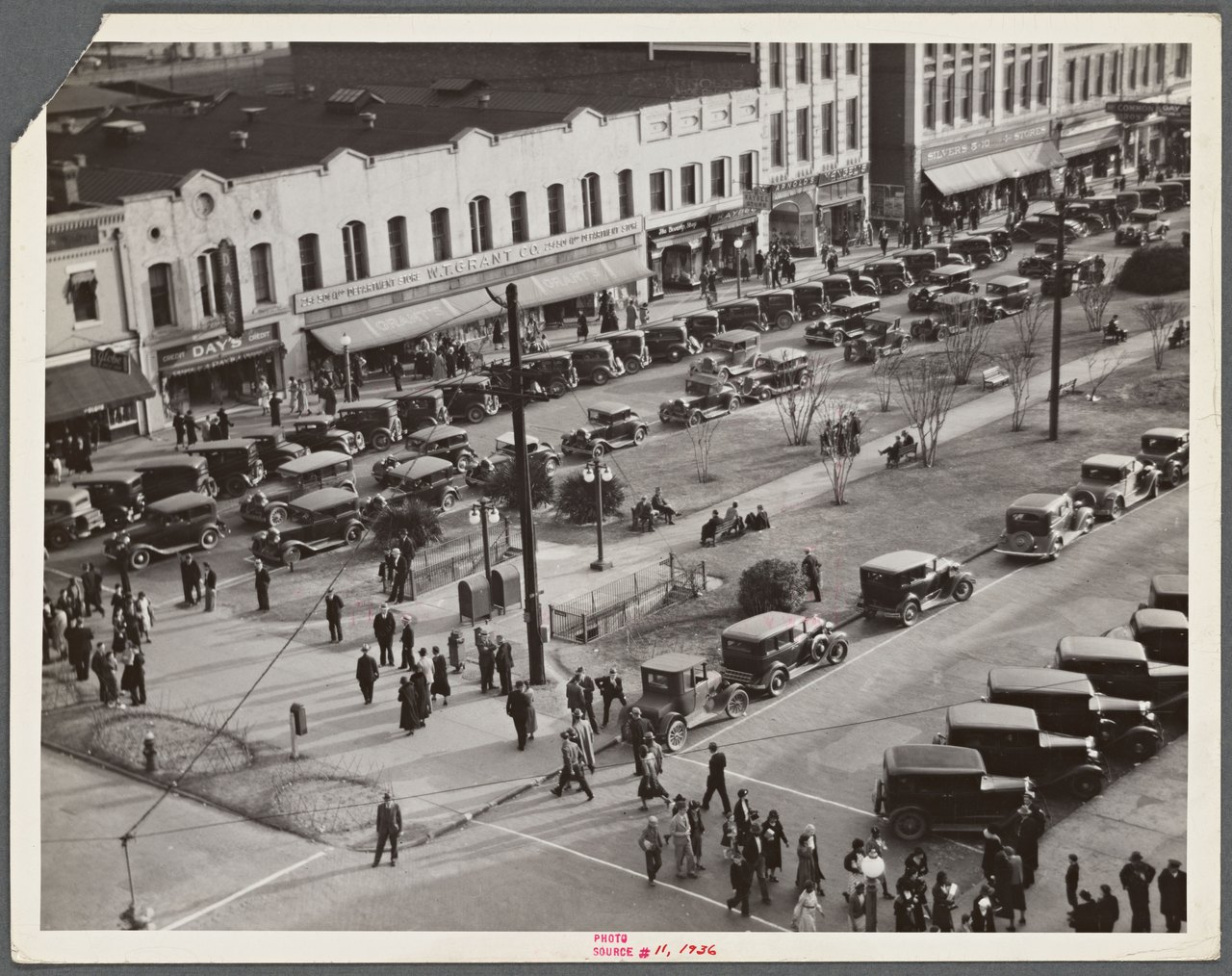
The war grows cleverer. Evan learns the oldest rule in business: location, location, location. A stand’s spot can decide everything — a busy sidewalk near thirsty crowds may outsell better lemonade on a quiet street. Evan scouts around and moves his stand to a far busier place, where the foot traffic is thick, and his sales jump. Meanwhile Jessie and Megan do something even bolder: they go global. Instead of running a single stand, they recruit other neighborhood kids to sell lemonade for them, each handing back a share of the money. All at once, Jessie’s little business has branches all over the neighborhood, selling far more than one stand ever could. Both siblings have found a real path to bigger sales — a great spot, or a growing team — and the war’s stakes shoot upward.

What We Will Learn
FocusWhat It Means
SettingWhere a story — and a business — takes place; here, location matters
MetaphorCalling one thing another to show a likeness (‘going global’)
ThemeThe big idea — there is more than one way to grow
Chapter Summary
ChapterKey Events
Ch. 7 — Location, Location, LocationEvan learns that a stand’s spot decides its sales. He moves to a busier place with heavy foot traffic, and his sales jump.
Ch. 8 — Going GlobalJessie and Megan expand: they recruit other kids to sell for them, each returning a share. Their one stand becomes a whole neighborhood network.
💭 Before You Read · Warm-Up (not scored)

There are no wrong answers here — just think, guess, and talk:

  • Where in your town would a lemonade stand sell the most? Why that spot?
  • Is it better to run one great stand yourself, or many stands with helpers? What are the trade-offs?
  • Predict: Jessie is ‘going global.’ What could go wrong when a business grows very fast?
Copyright Notice

This is an independent study guide created by Garden Heights Academy to support reading comprehension and literary analysis. It contains original analysis questions and does not reproduce any text from the novel. The Lemonade War is a work by Jacqueline Davies. This guide is not affiliated with, authorized by, or endorsed by the author or any associated rights holder.
Part 1
Vocabulary
Study 10 key words from Chapters 7–8, then answer each question.
🧠Knowledge Bank · Words of Growth
Economics · How Businesses GrowThis part turns on two of the biggest ideas in how businesses grow. The first is location. Shopkeepers have a saying — location, location, location — because where you sell can matter more than what you sell: a busy corner sends far more possible customers past your table, and that stream of passers-by has a name, foot traffic. The second idea is bigger still. When Jessie stops selling cup by cup and instead gets other kids to sell for her, each handing back a share, she has stumbled onto a franchise — the very engine behind restaurant chains that blanket whole countries. One stand becomes many; one seller’s reach multiplies far past what two hands could pour. Real companies grow along these exact two roads, a better spot or a bigger network, and a neighborhood lemonade project turns out to teach the shape of businesses worth millions.
locationn.Ch.7–8
The place where something is
“A busy location sells the most.”
expandv.Ch.7–8
To grow bigger
“Jessie wanted to expand her stand.”
franchisen.Ch.7–8
Letting others run copies of your business for a share
“Her helpers were a small franchise.”
recruitv.Ch.7–8
To bring in new helpers
“They recruited other kids to sell.”
trafficn.Ch.7–8
The flow of people passing by
“Heavy foot traffic meant more sales.”
branchn.Ch.7–8
One shop of a larger business
“Each kid ran a little branch.”
globaladj.Ch.7–8
Spread far and wide; worldwide
“They joked about going global.”
supplyn.Ch.7–8
The amount available to sell
“They needed more supply of lemons.”
hirev.Ch.7–8
To pay someone to work
“She could hire more sellers.”
succeedv.Ch.7–8
To do well; to reach your goal
“Both hoped to succeed.”
1A ‘location’ is —Ch.7
2To ‘expand’ a business is to —Ch.8
3Fill in each blank with the correct word.Ch. 7–8
Word choices:trafficrecruitsupplybranch- some words will not be used
The flow of people passing by is foot .
To bring in new helpers is to them.
4A ‘franchise’ lets others —Ch.8
5‘Traffic’ here means the flow of people passing by.Ch.7
6To ‘hire’ someone is to —Ch.8
7Fill in each blank with the correct word.Ch. 7–8
Word choices:globalsucceedlocationexpand- some words will not be used
Spread far and wide, or worldwide, means .
To do well and reach your goal is to .
8A ‘branch’ is —Ch.8
9‘Supply’ is —Ch.8
10To ‘expand’ a business means to make it smaller and quieter.Ch.8
Part 2
Comprehension
How well do you understand Chapters 7–8?
🧠Knowledge Bank · Two Roads to Growth
Behavioral Economics · Rival ViewpointsHere the siblings chase the same goal — sell more lemonade — by two different routes, and your job as a reader is to keep them apart. Evan grows by moving: he hunts for a better spot, a place where more people will stream past his stand. Jessie grows by building: she recruits a team of young sellers and expands her reach across the neighborhood. Set the two strategies side by side and notice something lovely — each choice fits the child who makes it. Sociable Evan trusts his feet and his charm; organized Jessie trusts a system and a network. Comparing them is not tidy; it lets you weigh which road actually scales up faster, and which one risks slipping out of a single person’s control. Reading two plans against each other, instead of blurring them together, is how you learn to judge not only what a character does but how wisely.
1What business rule does Evan learn in Chapter 7?Ch.7
2What does Evan do about his location?Ch.7
3What happens to Evan’s sales after he moves?Ch.7
4What bold move do Jessie and Megan make?Ch.8
5Write the numbers 1–5 in the boxes to show the order of events in Part 4. Number 1 = what happens first.Ch. 7–8
  • Her one stand becomes a whole network.
  • Evan learns that location decides sales.
  • His sales jump at the busier spot.
  • Jessie recruits other kids to sell for her.
  • He moves his stand to a busy sidewalk.
6How do the recruited kids help Jessie’s business?Ch.8
7What makes a busy sidewalk such a good location?Ch.7
8After Jessie ‘goes global,’ how much can she sell compared to one stand?Ch.8
9Evan and Jessie each find a way to sell more — a better spot, or a bigger team.Ch.8
10‘Going global’ here really means Jessie sells lemonade in other countries.Ch.8
Part 3
Literary Elements
Understanding HOW and WHY Jacqueline Davies tells the story in Chapters 7–8.
🧠Knowledge Bank · Setting, Metaphor & Theme
Literary Craft · Setting & MetaphorThree tools shape this part, and each carries more weight than it first appears. Setting is where a story unfolds — and in a book about business, the setting is the plot, since a shady corner or a busy crosswalk can decide who wins the day. A metaphor calls one thing by the name of another to reveal a likeness; when a few neighborhood streets are grandly called ‘going global,’ the playful exaggeration captures how enormous the leap from one stand to a network truly feels. And the theme — the big idea underneath the events — quietly takes shape here: there is more than one way to grow, and the path you choose reveals who you are. Notice how Davies dresses a tiny summer project in the giant language of real commerce, so that a small, funny story keeps teaching lessons sized for the grown-up world.
📚 Literary Devices in This Part · definitions & examples
Setting is where and when events happen (the busy sidewalk, the neighborhood). A metaphor calls one thing another to show a likeness (a few streets become ‘global’). Theme is the story’s big idea (growth can come from a better place or a bigger team).
1The busy sidewalk Evan moves to is part of the story’s —Ch.7
2A metaphor calls one thing another to show a likeness between them.Ch.8
3Fill in each blank with the correct word.Ch. 7–8
Word choices:settingmetaphorrhymeindex- some words will not be used
The busy sidewalk where Evan sells is part of the .
Calling a small stand ‘global’ is a .
4Calling Jessie’s neighborhood network ‘going global’ is an example of a —Ch.8
5Setting includes where a story takes place.Ch.7
6Fill in the blank with the correct word.Ch. 7–8
Word choices:metaphorrhymeplot- some words will not be used
‘Her stand was an empire’ calls one thing another, so it is a .
7Why does location matter so much to the story’s setting?Ch.7
8The theme of this part is best stated as —Ch.8
9Fill in the blank with the correct word.Ch. 7–8
Word choices:settingrhymeplot- some words will not be used
The busy sidewalk and wider neighborhood make up the story’s .
10Why is calling a neighborhood project ‘going global’ a fitting metaphor?Ch.8
Part 4
Think Deeper
Four deeper challenges — no single-word recall. Read, weigh the evidence, and reason it through.
🧠Knowledge Bank · The Ways a Business Grows
Social-Emotional · Ambition & CostGrowth feels thrilling — more stands, more sellers, more money — but this part invites a quieter, harder question: what does the race for more cost the two people running it? As Evan and Jessie each scramble to expand, notice how the contest pulls them further apart, turning a brother and sister into rival empires who barely speak except through the scoreboard. There is a feeling beneath the business math: the dread of being left behind by someone you love, which pushes each child to grow faster, reach wider, win harder. Ask whether their ambition is truly about lemonade at all, or about proving something to each other. Bigness, in a business or a family, is not the same as happiness, and a fast-growing empire can quietly lose the thing that mattered most at the start. Sometimes the wisest question is not how to grow, but what growth might make you forget.
1Claim: “Evan learns that where you sell can matter as much as what you sell.” — choose the two details that best prove it.Claim & Evidence
2Shows the lesson about location, or just a detail? Tap each item to send it left or right.Sort into two
◄ The location lessonJust a detail ►
3Match each cause to its result. For each cause, pick its result.Cause & Effect
Evan wants more sales
A stand’s spot matters
Place beats quality
Evan understands this
4Fill both blanks to complete the reasoning.Build the Argument
The ‘location’ lesson shows that , which means that .
Part 5
Standardized Test
Why Place Matters — SAT & TOEFL-style practice
🎯 You already have the skills from the sections above — this is just a fun way to meet real SAT & TOEFL-style questions. Read the passage (the highlighted words are tested below), then answer the questions below. Tap an answer to select it, then tap it again to confirm — you can change your choice until you confirm.

Shopkeepers have a favorite saying: location, location, location. It means that where a store sits can decide whether it thrives or fails. The key is foot traffic — the number of people who walk past. A shop on a crowded main street meets hundreds of possible customers a day, while the same shop on a sleepy back lane might meet almost none. That is why business owners study a street before renting a shop, counting the cars and people who pass at different hours. A spot that looks cheap can cost a fortune in lost customers if almost no one ever walks by.

Once a business is doing well in one good spot, its owner may choose to expand, opening more shops in other busy places. Some grow by letting other people run copies of the business, a plan called a franchise. Each new branch returns a share of its earnings to the original owner. In this way, one small, well-placed shop can slowly grow into a chain that stretches across a whole city. The world’s largest restaurant chains all began as a single busy location before spreading. Growth like that only works when each new shop keeps the same quality that made the first one popular.

Original passage written for Garden Heights — not a quotation from the novel.
1What does the saying ‘location, location, location’ mean?TOEFL · Factual Information
2Foot “traffic” means the number of people who —SAT · Words in Context
3How many possible customers does a crowded main street shop meet?TOEFL · Factual Information
4To “expand” a business is to —SAT · Words in Context
5What is a ‘franchise’?TOEFL · Factual Information
6What does each new branch return to the original owner?TOEFL · Factual Information
7What can one small, well-placed shop slowly grow into?TOEFL · Factual Information
8Why might the same shop fail on a ‘sleepy back lane’?TOEFL · Factual Information
9What is the passage mainly about?TOEFL · Rhetorical Purpose
10Insert Text (TOEFL). Look at the four squares [1][4] in the excerpt below. They show where this sentence could be added:
“In fact, a wonderful product on a lonely street can lose to an ordinary one on a busy corner.”
In business, where you sell can matter as much as what you sell. [1] A busy sidewalk sends a steady stream of possible customers past your stand. [2] A quiet street, however pretty, may bring almost no one at all. [3] That is why careful sellers study the foot traffic before they ever choose a spot. [4]
Where would the sentence fit best?
TOEFL · Insert Text
Part 6 · Optional
Creative Writing
A bonus challenge to practice your English. Take your time and have fun with it.
About This Section

This writing task is optional and is not part of your auto-graded score. The feedback below checks only the basics — length, spelling, and grammar — not whether your ideas are right or wrong. It is meant for classroom discussion and creative practice, so feel free to use your imagination!

Writing Task — Part 4 “Grow Your Business”

Jessie grows by building a team; Evan grows by finding a better spot. Imagine your own lemonade business is doing well and you want to grow. Would you find a busier location, or recruit helpers to open more stands? Explain your plan and why you chose it. Write at least 40 words.

You can start with: “To grow my business, I would…”
0 / 40 words minimum
🗣 Teach It · Just for Fun (optional)

No right or wrong — close the screen and tell someone nearby why ‘location, location, location’ matters, and how Jessie ‘went global.’ Can’t find anyone? Tell yourself out loud. The moment you teach it, you truly understand it.


Garden Heights Academy

Part 4 Complete!

You finished Chapters 7–8 of The Lemonade War.

Here are your auto-graded results:

-
points out of 100
Your Writing

Your writing was checked automatically for length, spelling, and grammar. Scroll back to Part 6 anytime to read your feedback and improve your work.

Move on to Part 5 →

Independent study guide by Garden Heights Academy. Not affiliated with or endorsed by the author or any rights holders. Contains original analysis only; no text from the novel is reproduced.