
Part 3
Hiding at the church, Ponyboy and Johnny cut their hair, share a sunrise and a poem, and learn war is brewing.
Supplies and scissorsPonyboy wakes alone in the abandoned church on Jay Mountain, stiff, hungry, and half-convinced the whole nightmare was a dream, until Johnny's note says he has gone for supplies. Johnny returns loaded: a week of baloney and bread, cigarettes, matches, cards, peroxide — and a paperback Gone with the Wind, because he remembered Ponyboy once wanted to read it. To dodge the descriptions going around, Johnny cuts Ponyboy's hair with his knife and bleaches it pale, cutting his own shorter too.
Crying it outThe haircut feels to Ponyboy like losing a piece of himself, and soon the pent-up fear of the last days spills over: the boys finally cry it out, and afterward both feel steadier. The days blur into cards, smokes, baloney, and chapters of the Civil War novel read aloud, with Johnny unexpectedly hooked on the gallant Southern gentlemen who ride calmly into hopeless battles — they remind him of Dally, which Ponyboy cannot see at all.
Nothing goldOne early morning the two watch the sunrise from the back steps: gold mist on the meadow, the sky changing minute by minute, too beautiful to last. Johnny wishes aloud that it could stay that way forever, and Ponyboy answers with a poem he memorized long ago without ever quite catching its meaning — Robert Frost's 'Nothing Gold Can Stay.'
Dally's visitDays later Dally shows up carrying a letter from Sodapop and admits the police questioned him — he pointed them toward Texas. He drives the boys down to the Dairy Queen, where the news pours out: since the killing, Socs and greasers are heading for an all-out showdown, and the greasers have an unlikely spy — Cherry Valance, who feels the whole thing is her fault and will swear in court the Socs were drunk and hunting trouble that night.
| Section | What you will practice |
|---|---|
| Vocabulary | Hiding out and holding on: disguise, peroxide, elude, gallant, testify… |
| Literary Elements | Allusion that borrows a real poem and a Civil War novel, gold as a symbol for every perfect passing thing, and imagery that paints a sunrise in mist and light |
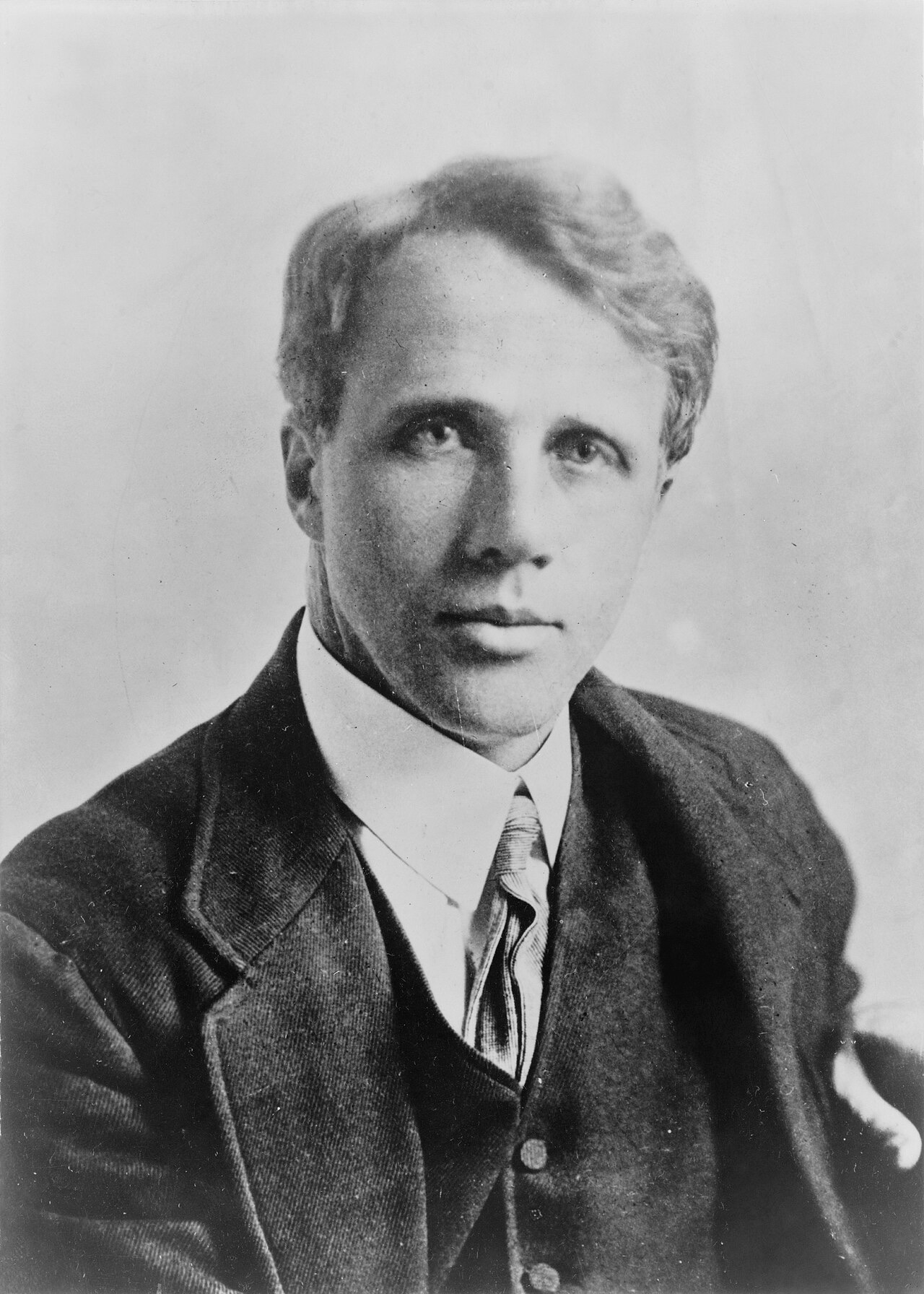
| Cross-Curricular | Poetry — how Robert Frost packs a whole argument about time into eight rhymed lines, and why a 1923 poem belongs to everyone now |
| Ch. | What happens |
|---|---|
| Chapter 5 · The Hideout | Waking on Jay Mountain — Ponyboy comes to on the cold floor of the abandoned church and briefly believes he is home. Johnny returns from town with a week’s supplies — baloney, bread, cigarettes, cards, peroxide, and a paperback of Gone with the Wind — and the boys disguise themselves: Ponyboy’s hair is cut with a jackknife and bleached, Johnny’s cut short. Losing his hair hits Ponyboy hard, and when the fear of the past days finally spills over, both boys cry — and feel steadier for it. |
| Chapter 5 · Gold in the Morning | A Week of Baloney and Paperbacks — The hiding days blur into cards, cigarettes, and chapters of the Civil War novel read aloud. Johnny falls for the gallant Southern gentlemen and says they remind him of Dally. One dawn the boys watch gold mist burn off the meadow, Johnny wishes it could last, and Ponyboy recites Robert Frost’s ‘Nothing Gold Can Stay’ from memory — a poem whose meaning, he admits, has always slipped past him. |
| Chapter 5 · Dally’s Visit | News from the City — Dally arrives days later with a letter from Sodapop and the story of his own police interview, where he pointed the law toward Texas. Over the ride to the Dairy Queen he lays out what the killing has started: Socs and greasers sliding toward a citywide showdown — and one stunning secret. Cherry Valance, feeling the whole mess is her fault, has been helping the greasers and will testify that the Socs came drunk and looking for a fight. |
ⓘ The vocabulary words in this list are selected to help you understand and complete this workbook. Some may not appear verbatim in the original novel.
- Johnny returns with a week’s supplies and a paperback.
- Dally arrives with a letter to Ponyboy from Sodapop.
- Ponyboy wakes alone on the floor of the church.
- Ponyboy’s hair is cut with a jackknife and bleached.
- At sunrise, Ponyboy recites ‘Nothing Gold Can Stay.’
Picture waking up on a cold wooden floor with your cheek against your arm and no idea, for one merciful second, where you are. Then it comes back: the park, the fountain, the train, the mountain. This is an abandoned country church — spiderwebs, broken pews, dust that jumps in the light — and the boy who wakes in it cannot go home, because a boy is dead and the whole city knows his name. What follows is the strangest week of Ponyboy’s life: a jackknife haircut, hair gone white-blond with drugstore bleach, baloney sandwiches for every meal, cigarettes rationed like money, and a fat paperback about the Civil War read aloud to pass the hours. And then one morning the meadow below the church fills with gold mist, the sky goes from gray to pink to gold, and a poem Ponyboy memorized without ever understanding climbs out of him line by line. By the time a familiar car roars up the hill days later, two things are true: the boys have news coming they never expected, and eight short lines of Robert Frost have moved into this book to stay.
The shortest poems carry the heaviest load per word. Robert Frost’s ‘Nothing Gold Can Stay,’ published in 1923, spends exactly forty words and eight short lines on one of the oldest ideas in literature: that perfect things never last and elude every effort to hold them. A novelist might take a whole chapter to make that case; a poem this small works by compression, packing the argument into the least space that will hold it.
The poem’s frame is rhyme. Its eight lines pair off into four couplets — two-line units whose end words chime: gold with hold, flower with hour, leaf with grief, day with stay. Each line runs only about three beats, so the rhymes arrive quickly, like a clock ticking. Rhyme here does more than sound pleasant: once the ear has learned the pattern, the closing line feels inevitable. When Frost finishes with the very sentence that is his title, the poem does not seem to stop so much as to come true.
Most of all, the poem argues in pictures. Frost never states an abstract claim such as ‘all things change’; he shows a new leaf that gleams gold for an hour, a perfect garden that was lost, and a dawn that drains away into plain day — three images that testify to the same quiet law. The images widen steadily — from one spring branch, to the oldest story of a paradise, to something that happens every morning — until ‘gold’ means every first, flawless, passing thing. That is the bargain a very short poem strikes: it gives up explanation, and in exchange its forty words fit inside a reader’s memory whole.
This writing task is optional and is not part of your auto-graded score. The feedback below checks only the basics — length, spelling, and grammar — not whether your ideas are right or wrong. It is meant for classroom discussion and creative practice, so feel free to use your imagination!
Writing Task — Part 3 “The Gold That Didn’t Stay”
Frost’s poem says every first, perfect thing — a new leaf, a dawn, a beginning — shines gold briefly and then fades into the ordinary. Write about one gold moment of your own: a first day, a perfect morning, a friendship’s beginning, a place that changed. Describe it so a reader can see its shine, then tell what it faded into and what, if anything, you kept. 6–10 sentences. End by saying whether you agree with the poem’s last line.
No right or wrong — close the screen and tell someone nearby what happened in this part. Can’t find anyone? Tell yourself out loud. The moment you teach it, you truly understand it.

Part 3 Complete!
You finished Chapter 5 of The Outsiders.
Here are your auto-graded results:
Independent study guide by Garden Heights. Not affiliated with or endorsed by S. E. Hinton. Contains original analysis only; no text from the novel is reproduced. Reference text: This workbook follows S. E. Hinton’s classic text (the standard Puffin edition sold worldwide). Revised 2023 UK editions change some wording and may not match the vocabulary studied here.