
Part 6
The greasers win the rumble in the rain, but Johnny dies in the hospital — telling Ponyboy to stay gold.
Dressing for battleThe evening starts almost giddy: showers, clean shirts, greased-back hair — the gang grooms for the rumble the way other people dress for church. Ponyboy, feverish and sleeping badly, secretly swallows five aspirins so he will be allowed to fight. Walking over, he sorts each boy's reason: Soda for fun, Steve from hatred, Darry for pride, Two-Bit from conformity — while Ponyboy, who believes in fighting only to protect himself, cannot find a reason of his own, and it bothers him.
The rumbleTim Shepard's outfit and the Brumly boys swell the greasers to twenty — many of them young hoods bound for jail, unlike his gang. Terms: fists only, and a greaser win means Socs stay out of their territory. Twenty-two Socs arrive; Darry opens against Paul Holden, once his friend and teammate, now a college man. Dally, hospital-pale with a ruined arm, yells from behind; the first blow lands, the lines slam together in cold rain, and the Socs break and run.
Race to JohnnyThere is no time to celebrate. Dally hauls half-senseless Ponyboy into the car and races for the hospital; pulled over for speeding, he claims a motorcycle fall and the officer leads them in with lights running. When a nurse bars Johnny's door, Dally produces the switchblade, and a doctor waves them through because rules no longer matter.
Stay goldJohnny is dying. Told that the greasers won, he answers that fighting is useless, then asks for Ponyboy; his last words — the famous urging to stay gold — are for his friend alone. When Johnny dies, Dally slams his fist into the wall and bolts from the room, leaving Ponyboy standing in a silence that no victory can fill.
| Section | What you will practice |
|---|---|
| Vocabulary | Rituals, rules, and the ring: ritual, conformity, contemptuous, taunt, stupor… |
| Literary Elements | Characterization through motive, an ironic victory that settles nothing, and a mood that turns with the rain |
| Cross-Curricular | Honor cultures — how groups without courts on their side wrap their fights in rules, from dueling codes to street rumbles |
| Ch. | What happens |
|---|---|
| Chapter 9 — Why Do You Fight? | Getting ready — The gang grooms for the rumble like soldiers polishing gear, while Ponyboy hides a fever under five secretly swallowed aspirins. On the walk over he matches each boy to his reason for fighting — fun, hatred, pride, conformity — and realizes, uneasily, that he has no reason of his own. |
| Chapter 9 — The Rumble | Fists in the rain — Shepard’s gang and the Brumly boys join the greasers under agreed terms: no weapons, and a Soc loss means Socs keep off greaser turf. Darry opens against his old teammate Paul Holden; Dally arrives straight from his hospital bed; rain soaks the brawl until the Socs break and run. |
| Chapter 9 — Stay Gold | The hospital — Dally talks a police officer into an escort, then flashes a switchblade to reach Johnny’s room. Johnny, dying, hears about the victory and calls fighting useless. He tells Ponyboy to stay gold and dies; Dally smashes his fist into the wall and runs. |
ⓘ The vocabulary words in this list are selected to help you understand and complete this workbook. Some may not appear verbatim in the original novel.
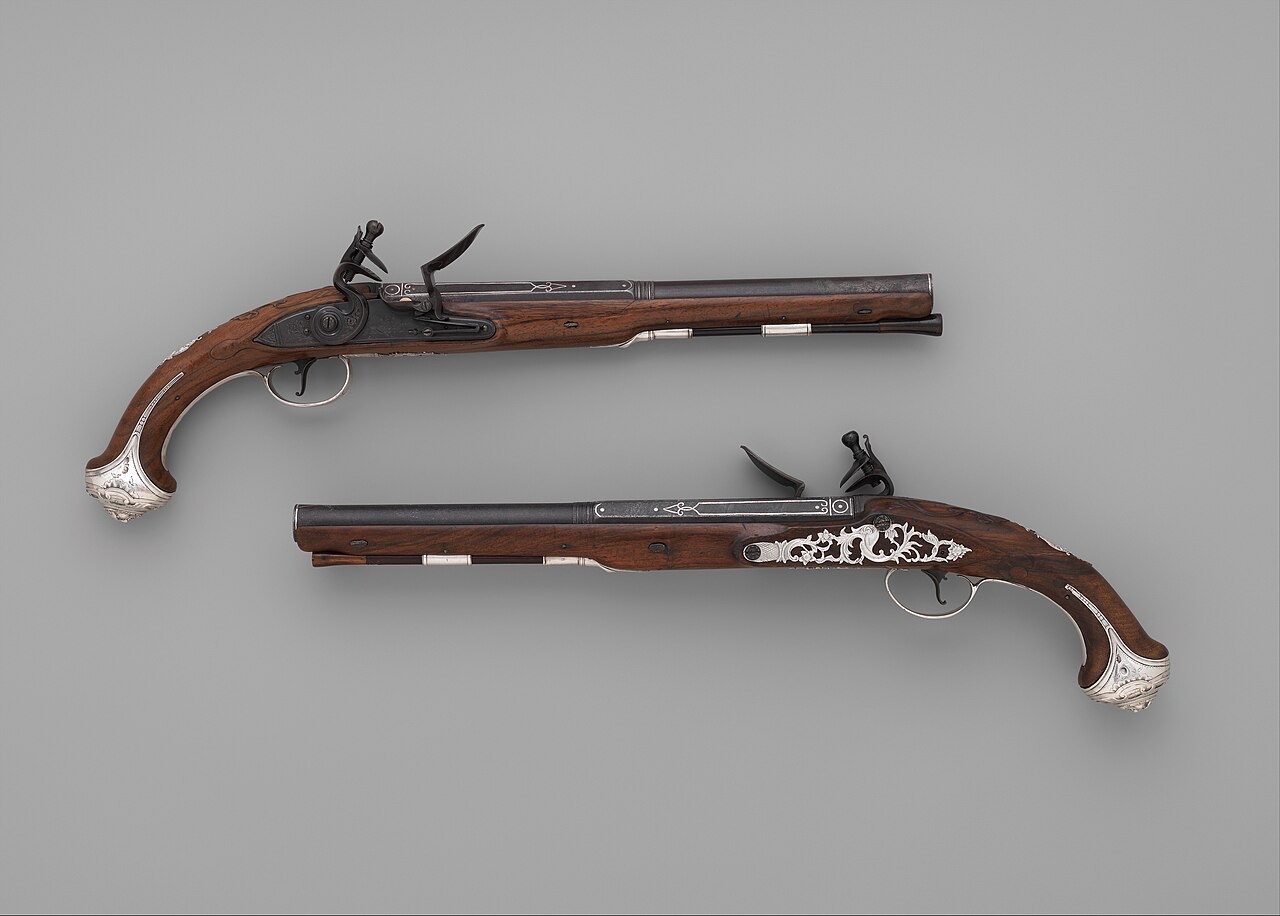
- Dally arrives at the lot, fresh out of his hospital bed.
- Rain soaks the brawl until the Socs break and run.
- Darry steps out and Paul Holden answers him for the Socs.
- Johnny tells Ponyboy to stay gold, and dies.
- The gang showers, dresses, and grooms its hair for the rumble.
Picture one bathroom mirror with five boys crowding it, combing grease into their hair as carefully as knights once buckled on armor. Tonight is the rumble. Ponyboy has swallowed five aspirins and told nobody how hot his skin feels. On the way to the lot he asks the only question that matters — why does each of them fight? — and every answer is different, and none of them is his. Then come the rules, the two lines forming in the vacant lot, an old football teammate stepping out to face Darry, and a shout from a boy who is supposed to be lying in a hospital bed. The rain arrives with the first punch. The greasers win. And winning turns out to be the smallest thing that happens tonight, because across town, in a hospital room, a friend is holding on just long enough to say two words.
In some times and places, safety has depended less on the law than on reputation. Historians call these honor cultures — communities with little recourse to courts or police, where people stayed safe by being known as impossible to push around for free. There, a taunt — a jeering insult — is never small: whoever lets one pass advertises that he can be bullied without cost. Yet endless revenge would tear any community apart, and honor cultures always understood the danger.
The solution, over and over, has been to wrap the fight in rules. European gentlemen codified the duel in writing — one famous Irish code of 1777 ran to more than two dozen numbered rules fixing time, ground, and matched weapons in advance. Each fighter brought a “second,” a friend who negotiated the terms and witnessed that everything was done fairly. The duel itself was a ritual, each step performed in solemn order. Many duels ended at the first wound, because the point was never slaughter but a public display of courage; a man could lose and keep his honor, while a man who cheated lost everything worth fighting for.
Sociologists who study modern street fights find the same architecture in rougher clothes. Rival groups agree on a time and a place, ban weapons, and fight before witnesses who can report what happened. Researchers report that such contests are rarely about land; they are about status — who must step aside for whom — and a public fight can settle that question for months. The rules also block the escalation that turns one quarrel into a lasting war. A rules-bound fight is still violence, but it is violence with a fence around it, and the fence is the honor culture's substitute for a courtroom.
This writing task is optional and is not part of your auto-graded score. The feedback below checks only the basics — length, spelling, and grammar — not whether your ideas are right or wrong. It is meant for classroom discussion and creative practice, so feel free to use your imagination!
Writing Task — Part 6 “The Reason You Fight”
Before the rumble, Ponyboy discovers that every boy beside him has a different reason for fighting — fun, hatred, pride, conformity — and that he has none of his own. Write about a conflict you joined, watched, or walked away from. What was the stated reason, and what was the real reason underneath? 6–10 sentences. End by saying whether the fight — yours or theirs — actually settled anything.
No right or wrong — close the screen and tell someone nearby what happened in this part. Can’t find anyone? Tell yourself out loud. The moment you teach it, you truly understand it.

Part 6 Complete!
You finished Chapter 9 of The Outsiders.
Here are your auto-graded results:
Independent study guide by Garden Heights. Not affiliated with or endorsed by S. E. Hinton. Contains original analysis only; no text from the novel is reproduced. Reference text: This workbook follows S. E. Hinton’s classic text (the standard Puffin edition sold worldwide). Revised 2023 UK editions change some wording and may not match the vocabulary studied here.