
Part 1
A grown man's kindness to a stray hound unlocks the memory of two years spent earning fifty dollars.
The stray houndWalking home from work, grown-up Billy Colman breaks up a dogfight and finds the loser is a redbone hound, the very breed that owned his heart as a boy. The dog is gaunt and footsore from a long journey. Billy carries him home, feeds him, doctors his cuts, and lets him rest, then opens the gate in the morning and watches the old hound trot away toward the hills.
Two cups, one memoryThat night Billy sits with the small silver cup and the big gold cup he has kept all these years, and the memories flood back. The story drops into his boyhood in the Ozark foothills of northeastern Oklahoma, where his family farms rich bottomland beside the Illinois River, on land that came through Mama's Cherokee blood.
Puppy loveAt about ten years old Billy is seized by what he calls puppy love: he wants two coonhounds, and nothing else will do. His parents have no money for hounds, and Papa offers three small steel traps instead. Billy traps rats around the barn and catches poor Samie, the family cat, so often that Mama despairs, but the hounds crying along the river at night keep the ache raw.
Fifty dollarsThen, at a campsite left behind by fishermen, Billy finds a sportsman's magazine advertising registered redbone pups from a kennel in Kentucky, twenty-five dollars apiece. Fifty dollars might as well be a fortune, so he prays and then supplies the help himself: crawfish, minnows, and vegetables sold to fishermen, berries picked, traps run in winter, every coin dropped into a baking-powder can. Two full years later the can holds fifty dollars.
| Section | What you will practice |
|---|---|
| Vocabulary | An ache and a plan: gaunt, bedlam, yearning, kennel, resolve… |
| Literary Elements | A frame story that opens in adulthood, first-person narration soaked in memory, and two trophy cups already working as symbols |
| Cross-Curricular | Ozark geography — how an ancient, worn-down plateau of ridges and hollows shaped a hard, self-reliant farm life |
| Ch. | What happens |
|---|---|
| Chapter 1 | An Old Hound Passing Through — On a spring evening, adult Billy Colman breaks up a street dogfight and rescues the loser: a starving redbone hound on a long journey home. He feeds and shelters the dog overnight, then frees him to travel on. Left alone with two trophy cups on his mantel, Billy gives in to memories of his boyhood. |
| Chapter 2 | Puppy Love — Young Billy, about ten, lives on a bottomland farm beside the Illinois River in the Ozark country of northeastern Oklahoma. A hunger for two coonhounds seizes him like a sickness. Papa cannot afford dogs and gives him three small steel traps; Billy catches barn rats — and Samie the house cat — while the want only grows. |
| Chapter 3 | Fifty Dollars — At an abandoned fishermen’s campsite Billy finds a sportsman’s magazine with an advertisement for registered redbone pups, twenty-five dollars each. He prays for help, then resolves to earn the money himself: bait and vegetables sold to fishermen, berries in summer, hides in winter, every coin saved in a baking-powder can that starts with the twenty-three cents he already owns. Filling it takes two years. |
ⓘ The vocabulary words in this list are selected to help you understand and complete this workbook. Some may not appear verbatim in the original novel.
- After two years of work, the baking-powder can holds fifty dollars.
- Papa gives young Billy three small steel traps.
- Alone with his two trophy cups, Billy sinks into memories.
- Billy finds a magazine advertisement for redbone pups.
- Adult Billy rescues a starving redbone hound from a street fight.
Picture a man on his way home from work on a fine spring evening, stopped cold by the sound of a dogfight. A pack of town dogs has cornered one ragged stranger, and when the man wades in to break it up, he finds himself looking at a redbone hound — gaunt, footsore, a long way from wherever he started. The man takes the old dog home, feeds him, cleans him up, and in the morning opens the gate and lets him go on with his journey. Then he sits down across from two cups on a mantel, one silver and one gold, and stops fighting his memories. They carry him back better than forty years, to a river-bottom farm in the Ozark hills of northeastern Oklahoma, and to a boy who wanted two hound pups so badly it made him sick — a boy with no money, in a family with no money, staring at a magazine advertisement that priced his whole dream at fifty dollars. Part 1 is that boy deciding the price can be earned.
The Ozarks of Missouri, Arkansas, and eastern Oklahoma are often called mountains, but they did not form like most mountains. The land here is an ancient plateau — a broad, raised block of flat-lying rock — that rose slowly, then spent millions of years being carved apart by water. Streams cut deep, twisting valleys — hollows, local people call them — and left flat-topped ridges between. The result is a landscape not especially high — its tallest points stand near 2,500 feet above sea level — yet stubbornly rugged, with steep slopes, stony fields, and few easy roads.
For the families who settled here, the shape of the land decided nearly everything. The soil on the ridges lay thin over solid rock, so farmers prized the narrow strips of bottomland along the rivers, where floods had left deep, fertile silt. A bottomland farm could raise corn, vegetables, and hay in return for seasons of hard toil, while the wooded slopes above fed hogs and cattle. Water shaped daily life too: the region’s limestone is honeycombed with caves and springs, and many farms drew their water from a spring that ran cold all summer.
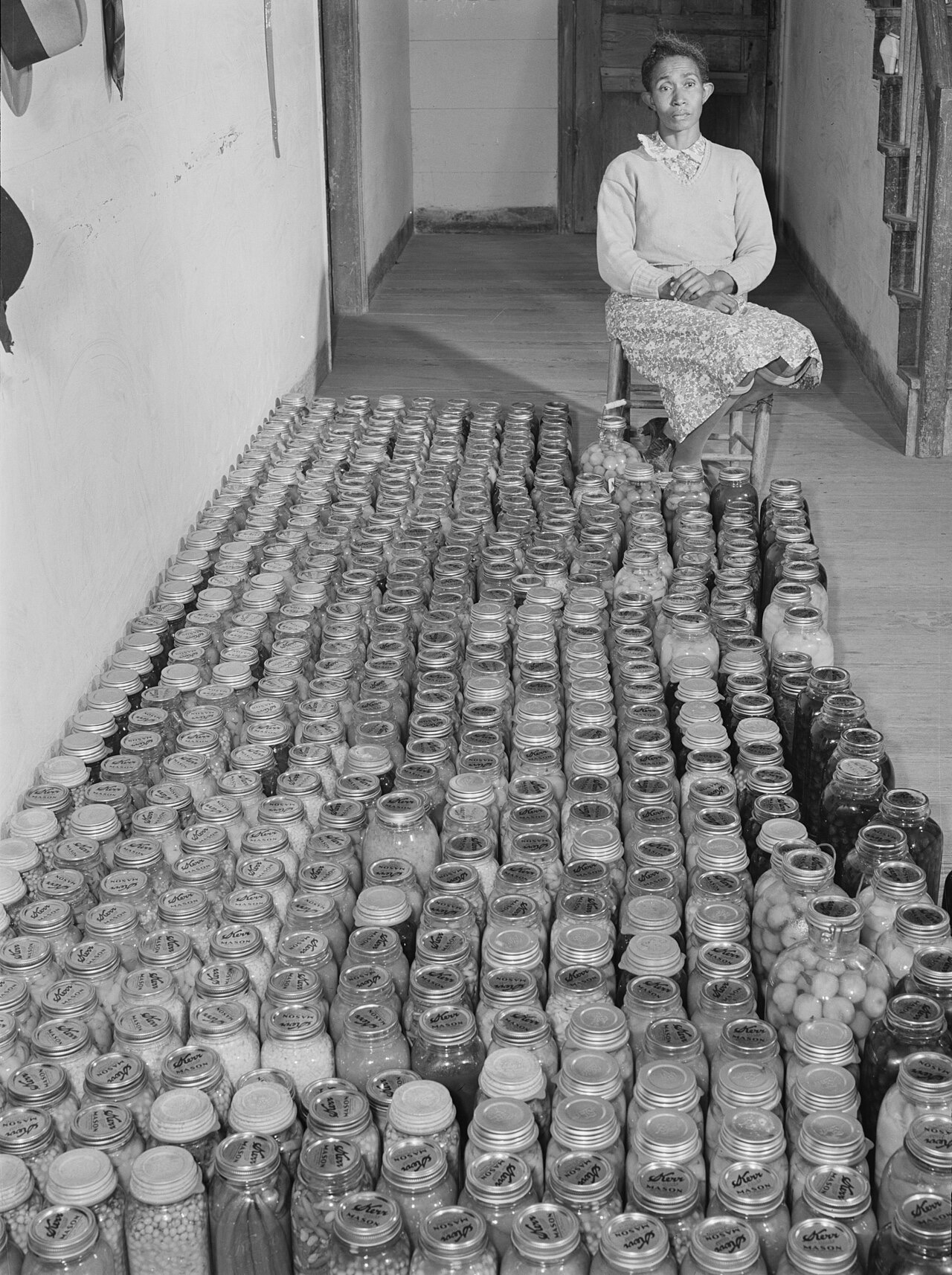
Living in such country also meant living with isolation. Steep grades and rocky stream crossings made travel slow, and many hollows lay a long wagon ride from town. Most families answered that distance by supplying themselves: they grew what they ate, preserved food for winter, and traded eggs, berries, or hides at a store for what they could not make. Cash was scarce, and children worked alongside their parents through the whole farming year. The Ozarks asked much of their people, and only families with real resolve stayed long enough to learn to depend on the land and on themselves.
This writing task is optional and is not part of your auto-graded score. The feedback below checks only the basics — length, spelling, and grammar — not whether your ideas are right or wrong. It is meant for classroom discussion and creative practice, so feel free to use your imagination!
Writing Task — Part 1 “Two Years of Wanting”
Billy wants something so badly that he works for it for two whole years — selling bait, picking berries, saving every coin in a can. Write about something you wanted long enough to work for, or something you would be willing to work two years to earn. Describe the want, the plan, and the hardest part of waiting. 6–10 sentences. End with what the working and waiting taught you — or what you think it would teach you.
No right or wrong — close the screen and tell someone nearby what happened in this part. Can’t find anyone? Tell yourself out loud. The moment you teach it, you truly understand it.

Part 1 Complete!
You finished Chapters 1–3 of Where the Red Fern Grows.
Here are your auto-graded results:
Independent study guide by Garden Heights. Not affiliated with or endorsed by Wilson Rawls. Contains original analysis only; no text from the novel is reproduced. Reference text: This workbook follows Wilson Rawls’s classic text (the standard Puffin edition sold worldwide). Revised 2023 UK editions change some wording and may not match the vocabulary studied here.